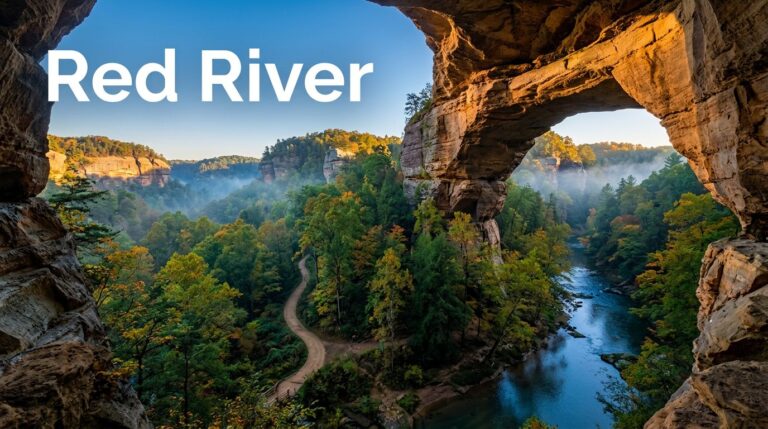
Planning a Zion to Bryce Canyon itinerary with four days for a road trip? I’d split your time between Zion National Park and Bryce Canyon National Park and keep the plan simple. This zion bryce itinerary is built for beginner hikers and busy travelers who don’t want to waste daylight on confusion, long lines, or “we should’ve done that yesterday” regret.
Here’s the honest truth: these national parks offer distinct rewards. Zion National Park rewards early starts and smart shuttle timing, while Bryce Canyon National Park rewards warm layers and a willingness to drop below the rim for the hoodoos. Put those together and you get four days that feel packed, but not frantic.
Key takeaways (read this, then book your lodging):
- Stay in Springdale first, then move to Bryce (or Tropic) for night 3, so you don’t backtrack.
- Plan one early big hike per day, then fill the afternoon with scenic stops and easy walks.
- Have a backup for The Narrows and Angels Landing, because winter conditions and permits can change plans fast.
- In late February, expect snow and ice at Bryce, and cold shade in Zion.
Quick planning moves that save you hours
Many travelers start their road trip from Las Vegas or Salt Lake City to reach Zion National Park. First, pick your home base. For Zion, I always stay in Springdale if I can. It keeps mornings smooth, you can easily access the shuttle system as the primary way to reach trailheads, and you can walk to food after hiking. For Bryce Canyon National Park, I like staying near the park (Bryce Canyon City) or in Tropic, because sunrise and sunset matter more up there.
Next, be realistic about the two Zion “headliners.” Angels Landing requires a permit, and you can’t count on getting one last minute. If you’re aiming for it, read the rules and apply through the permit lottery (the park points most people to Recreation.gov). Also, The Narrows sometimes closes when the Virgin River is high, which can happen with snowmelt and storms in winter. Emerald Pools makes a solid alternative hike.
Late February 2026 is a classic shoulder-season trade-off: fewer crowds, but more weather drama. Zion can be 30 to 60°F, while Bryce often sits colder (and windier) with snow and ice on trail switchbacks. Wear broken-in hiking boots for those.
My rule: if a plan depends on a permit or a river level, it’s not Plan A, it’s Plan A with a backup.
Finally, if you like having a guided “first day” to learn the park’s flow, skim a local operator’s approach like this Bryce and Zion itinerary overview. I don’t think you need a tour, but seeing how pros structure time can help.
For more beginner-friendly trail ideas beyond this trip, I keep a running list of easy national park hikes for beginners (the kind that pay off fast without sketchy footing).
My 4-day Zion and Bryce itinerary (best first-timer flow)

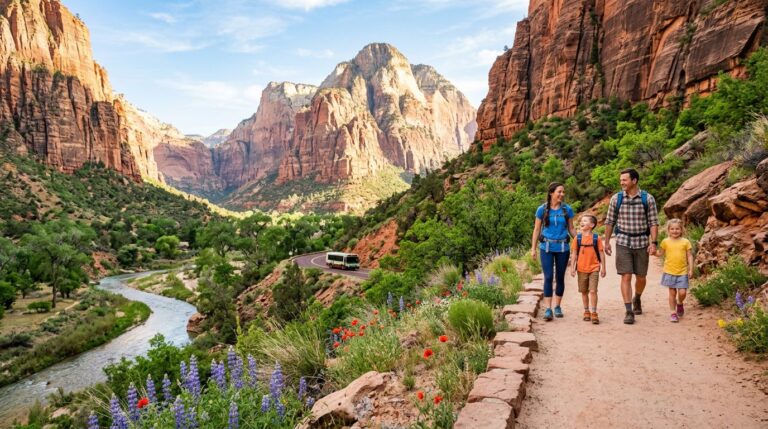
Photo by PeopleByOwen
Here’s the structure I use because it keeps driving reasonable and puts the hardest stuff early in the day.
| Day | Sleep base | Main goal | Best for |
|---|---|---|---|
| Day 1 | Springdale | Zion National Park “greatest hits” warmup | Jet lag, half-day arrival |
| Day 2 | Springdale | Zion National Park big hike day | Early birds, iconic views |
| Day 3 | Bryce area | Bryce Canyon National Park hoodoos below the rim | Big scenery, cooler temps |
| Day 4 | Bryce area (or drive out) | Bryce Canyon National Park sunrise, short hikes, scenic drive | Easy finish, flexible exit |
Day 1 (Zion): arrive, get oriented, snag an easy win.
After you enter Zion National Park, I like a short, low-stress hike to shake out your legs. The Watchman Trail is a great option if you want a “real hike” without committing to a full day, or try Emerald Pools near the Zion Lodge for another gentle choice. If you’d rather keep it super easy, the Pa’rus Trail works well, especially if you’re arriving late. End the day in Springdale with an early dinner, because Day 2 goes better when you’re not dragging.
Day 2 (Zion): one big objective, then a scenic buffer.
This is the day I build around one marquee experience. If you win the permit, do Angels Landing early. If you don’t, I’d aim for Scout Lookout (still a strong workout and view from the top of the Angels Landing chain) or choose a lower-commitment classic like Canyon Overlook Trail (short, high payoff). If The Narrows is open and you’ve got proper cold-water gear, start at Temple of Sinawava with the Riverside Walk leading into The Narrows; it can be your “big objective,” but don’t force it in winter. After your main hike, spend the afternoon on Zion Canyon scenic stops, photos, and anything your legs still feel like doing.
Day 3 (drive to Bryce): switch parks, then go below the rim.
Drive to Bryce Canyon National Park in the morning through the Zion-Mount Carmel Tunnel, then hike after lunch when you’re checked in and layered up. For first-timers, I like pairing Navajo Loop (if open, including the Wall Street section) with Queen’s Garden, because it’s the best hoodoo immersion without complex navigation in the Bryce Canyon Amphitheater. Snow and ice can make the steep sections spicy, so traction helps a lot. Sunset from the rim is the simple win that feels like you earned it.
Day 4 (Bryce): sunrise, then a short-and-sweet finale.
Bryce at sunrise is the kind of light that makes you stop mid-sip of coffee. I’d hit Sunrise Point or Sunset Point early for the best views of the hoodoos, then do a shorter rim walk if you skipped it yesterday. If roads are clear, finish with the Bryce scenic drive viewpoints, then start your trip home before the afternoon lull turns into “why are we still here?”
If you want another perspective to compare pacing, this 4-day Zion and Bryce sample itinerary is a helpful reference.
Logistics I actually plan around (winter notes included)
The Springdale to Bryce drive is usually about 2 hours, but it can stretch with stops, weather, or slow traffic near viewpoints. I treat that transfer like a travel morning, not a hiking morning as part of the road trip flow between the national parks. You’ll enjoy Bryce more if you arrive calm and warm.
In late February, I plan for these realities:
- Zion National Park may have limited or no shuttle system in winter, so you might drive your own car (confirm current operations before you go; note vehicle size restrictions for the Zion-Mount Carmel Tunnel).
- Bryce Canyon National Park trails often hold ice in shaded switchbacks. Hiking boots with good traction, plus trekking poles, can turn a tense descent into a normal hike.
- The Narrows can close when Virgin River flow gets too high. If you’re set on it, check conditions the night before and again that morning.
Packing stays simple, but I don’t skip the basics. I bring layers, a warm hat, gloves, sun protection (yes, still), and extra water. Also, I always toss a headlamp in my daypack because winter days are short and trail timing slips fast.
FAQs for a 4-day Zion and Bryce trip
Should I visit Zion or Bryce first?
I prefer Zion National Park first, Bryce Canyon National Park second. Zion National Park feels warmer and easier to ramp into, while Bryce Canyon National Park is colder and higher, so it’s a nicer “finale” park.
Do I need a permit for Angels Landing?
Yes. Angels Landing requires a permit, and you should plan a backup hike like the West Rim Trail in case you don’t get it.
Is The Narrows doable in late February?
Sometimes, but it depends on river flow and cold-water safety. If conditions aren’t right, I pivot to Observation Point as a high-ground alternative and save The Narrows for a warmer month.
Can beginners do Bryce hikes below the rim?
Yes, as long as you go slow and bring traction when it’s icy. The climb out feels longer than it looks. For a more challenging Bryce option, Fairyland Loop delivers extra scenery.
Where should I stay for the least driving?
Springdale for Zion nights (or Kanab as a central hub if Springdale is full), then Bryce Canyon City or Tropic for Bryce nights. That setup cuts down on dawn drives.
What’s the simplest way to avoid crowds?
Start early at Sunrise Point, hike first, and save viewpoints for later. In these national parks, mornings are your quietest window.
Final thoughts
A good 4-day Zion National Park and Bryce Canyon National Park trip isn’t about cramming in everything, it’s about stacking high-payoff hikes with clean logistics. If you keep your mornings focused, stay flexible with winter conditions, and move bases once, you’ll leave with the kind of memories from this bucket-list road trip through America’s national parks that feel bigger than four days. If you build your trip around one must-do hike per park, what would you choose?