If you’re trying to do zion dispersed camping near the park, here’s the honest bottom line: you can’t legally “just pull off and camp” inside the boundaries of Zion National Park. The National Park Service is strict about camping, and for good reason. The good news is that you can find legal dispersed camping on public lands nearby, mainly on BLM land, as long as you follow the rules and pick the right areas.
I like dispersed camping near Zion because it buys you quiet nights and cheaper trips. Still, it’s also the fastest way to wreck a Zion weekend if you guess wrong and get moved along after dark. I’d rather you show up with a plan and sleep well.
Key takeaways (save these):
- No dispersed car camping inside Zion National Park. Use designated campgrounds or backcountry permits.
- Most zion dispersed camping near Zion is on BLM land, and rules are tightening as of March 2026.
- Camp only in legal, already-impacted spots, and expect zero services (no water, toilets, or trash).
- Follow Leave No Trace principles to minimize your impact.
First, the rule that surprises people: Zion National Park isn’t a dispersed camping park
Zion National Park is not the kind of place where you can overnight in a random pullout. If you camp inside the park, you do it in a designated campground, or you backpack with a wilderness permit in approved zones. Everything else is a no.
Gotcha that catches first-timers: “I’ll just sleep in my car near a trailhead” is the classic ticket or knock-on-the-window scenario around Zion National Park’s south entrance.
So where does that leave you? Just outside the boundary, you’ll run into a patchwork of land: private property, county land, and big chunks of BLM. That last one is usually where dispersed camping happens.
As of March 2026, dispersed camping near Zion National Park is also in a transition phase. Reporting around proposed changes points to the Bureau of Land Management moving toward designated sites only in heavily impacted areas near SR-9, rather than the old free-for-all (which, frankly, got abused), as part of the SR9 Campground Management Project. For a plain-English summary of what’s been discussed publicly, I’d skim this local coverage on BLM proposals near Zion before you commit to a plan.
If you want my planning flow for Zion days (so you’re not stuck in parking loops after camping outside the park), I’d pair this with my Zion itinerary for beginners. Camping is only half the battle, the morning logistics matter just as much.
Where dispersed camping near Zion is usually allowed (and what that means in practice)
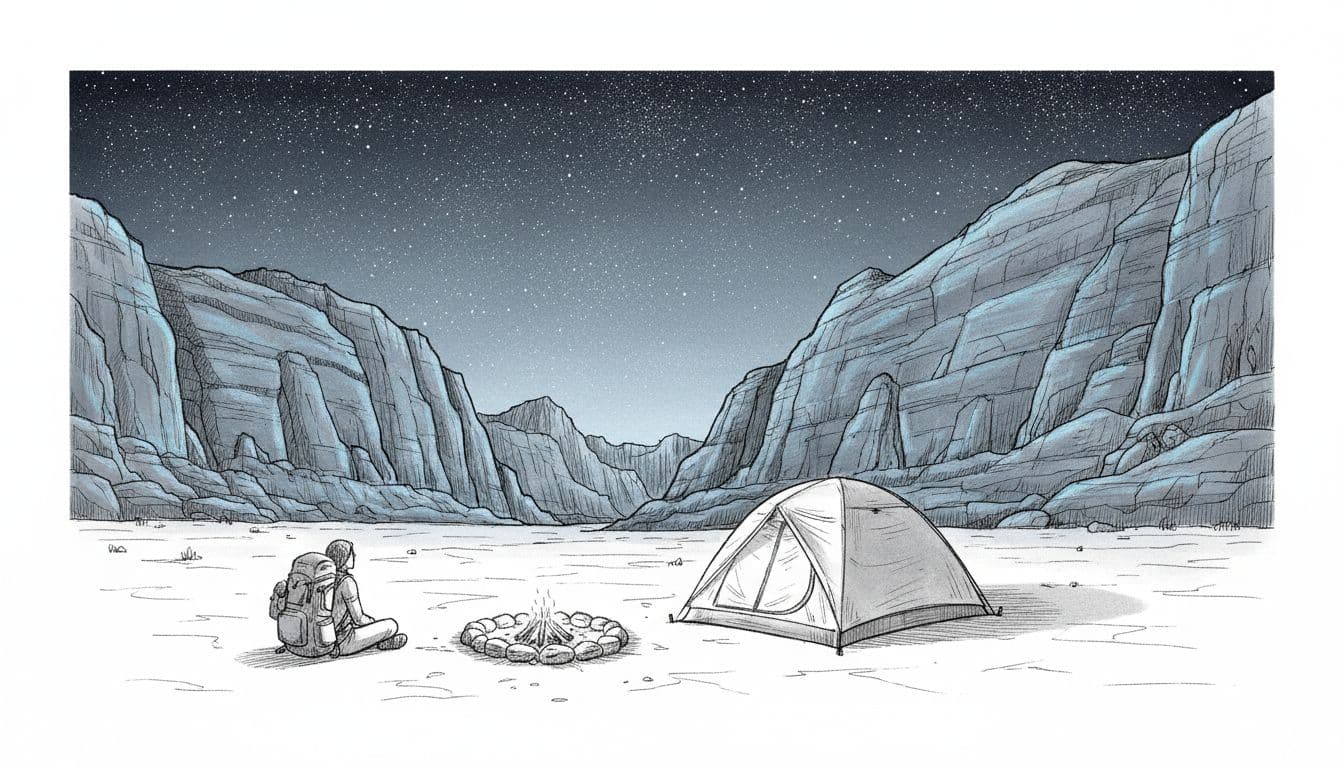
When people say “dispersed camping near Zion National Park,” they often mean one of a few clusters of BLM land where camping has been common for years. Think of these as zones, not guaranteed campsites. Conditions, closures, and rules can change quickly.
Here are the areas I hear about most often, plus how I’d think about each one:
West of Zion (Springdale side): This is the most popular direction because it’s close. It also means it’s the most crowded and the most likely to get new restrictions first. The big theme is “stay on durable surfaces, don’t create new sites.” In recent proposals, common free-camping areas on BLM land have been discussed for closure or heavy limitation, including places people casually call Kolob Terrace Road and Dalton Wash Road zones. Virgin Utah serves as the gateway to areas like Hurricane Cliffs and Sheep Bridge Road, with spots along Kolob Terrace Road drawing big crowds. If you want context on that angle, this BLM restriction proposal write-up lays out what’s been floated and why people are paying attention.
East of Zion (toward Mt. Carmel and beyond): This side often feels more open, with more breathing room, but you still need to confirm land status on BLM land. The East Entrance area is gorgeous, and it’s tempting to treat every dirt track like a campground. Don’t. Some of that land is private or otherwise posted.
Quieter pockets farther out: If you’re willing to drive 30 to 60 minutes, your odds improve. In general, the farther you go from Springdale, the less midnight headlight chaos you’ll deal with. High mesas like Gooseberry Mesa, famous for mountain biking trails, and Hurricane Cliffs offer better odds for dispersed camping with solitude.
For a crowdsourced starting point (not a rulebook), I’ll sometimes browse lists like free camping options near Zion National Park to see what areas are getting recent reports of free camping. Then I verify on the ground with signs and current local guidance.
My “don’t-regret-it” setup: roads, water, waste, and common mistakes
Boondocking near Zion National Park is simple, but it’s not forgiving. When it goes wrong, it’s usually because someone treated the desert like a developed campground.
Road reality (and why 2WD is still fine if you’re picky)
Many dispersed areas near Zion National Park are reached by unpaved roads. After rain, those unpaved roads can turn into sticky mud or ruts fast. Because of that, I avoid pushing deep down unknown tracks late in the day. I’d rather take a less “epic” spot that I can exit safely at dawn. These unpaved roads often require a high-clearance vehicle, but if BLM land is full, Dixie National Forest offers quieter primitive camping alternatives.
If you’re rolling in with a van or trailer, be extra conservative. Turn around before you need to.

Photo by Erik Schereder
Water and bathroom plans (this is the make-or-break)
There’s usually no water and no toilets. So I plan like I’m camping on a big empty beach: everything I bring in, I take out.
My approach is boring and reliable:
- I bring more water than I think I’ll use, because wind and dry air sneak up on you.
- I use a wag bag system when needed and pack it out. Digging holes near high-use areas creates a gross, long-term problem.
- I never wash dishes or myself in or near water sources. In desert country, that impacts wildlife and water sources quickly.
Fire rules and the “scar problem”
Fire restrictions change with conditions. Even when fires are allowed, I’m cautious. A windy night near Zion can turn a “cozy” flame into a bad headline. Also, fire scars last forever out here. If there’s an existing fire pit and it’s legal to use it, great. If not, skip the fire, avoid creating new fire pits to maintain Leave No Trace standards, and enjoy the stars.
If you’re building a Zion National Park trip where you want easier trail days (especially after sleeping on public land where cell coverage is often non-existent), my one-day Zion National Park itinerary is my favorite low-stress template. It pairs well with early starts from outside the park.
Conclusion: the easiest way to stay legal is to camp like you’re a guest
Zion National Park is too popular to be casual about camping anymore. If you want dispersed camping in 2026, treat it like a privilege, not a loophole. Camp only where it’s allowed on public lands, keep your footprint small, and plan for changing rules. Do that, and you’ll wake up close to one of the best parks in the country, without the campground scramble.
FAQs about dispersed camping near Zion
Can I dispersed camp inside Zion National Park?
No. Zion National Park requires camping in designated campgrounds, or backcountry camping with the right permit in approved backpacking sites.
Is dispersed camping near Zion free?
Often, yes, on BLM land near Zion National Park. However, as of March 2026, some high-use areas are moving toward designated sites only and may add fees in new developed campgrounds.
How long can I stay at a dispersed site near Zion?
On many BLM lands near Zion National Park, the common limit is the 14-day limit within a 28-day period. Rules can vary by area, so I always confirm locally.
Can I sleep in my car near trailheads in Zion?
Inside Zion National Park, no. Outside the park, only if you are on land where camping is allowed and you’re in a designated site, not a random roadside pullout.
What’s the closest dispersed camping to Zion’s Springdale entrance?
The closest options tend to be on Bureau of Land Management land west of Zion National Park, but those are also the most impacted and the most likely to have new restrictions or designated-site rules.
What time should I arrive to find a dispersed spot?
I aim to arrive with daylight to spare, ideally by late afternoon. After dark, it’s harder to confirm land status and avoid illegal sites.