If you’ve only got one day in Great Smoky Mountains National Park, which straddles Tennessee and North Carolina, and you want easy waterfall hikes without a full-body suffering session, I’d keep it simple. I plan the day around short, forgiving trails, some of the most popular hiking trails in the region, early, then I “level up” only if my legs (and the parking situation) cooperate.
This route is built for beginner hikers, families, and anyone who’d rather chase misty spray than chase miles. You’ll hit a classic waterfall on an easy path, add a unique walk-behind option if you want it, then finish with a bigger waterfall that still feels realistic in a day.
Key takeaways
- Start early to beat parking and enjoy quieter trails.
- Laurel Falls is my go-to “easy win” for first-timers.
- Add Grotto Falls if you want a fun, different waterfall experience.
- End at Abrams Falls for the most satisfying payoff, as long as you’ve got daylight.
- In March, bring layers and expect wet, slick sections near water.
A realistic one-day plan for easy waterfalls (my exact flow)
Here’s the day plan I use when I’m optimizing for low stress, good photos, and trails that don’t feel like a fitness test. Times are flexible, because traffic and parking can swing your whole day.
| Time window | Stop | Why I like it | Effort level |
|---|---|---|---|
| 7:30 to 9:30 | Laurel Falls | Big payoff fast, great “first waterfall” | Easy |
| 10:30 to 12:30 | Grotto Falls (optional) | Walk-behind experience, shaded forest | Easy to moderate |
| 2:00 to 5:00 | Abrams Falls | Strong finale waterfall, satisfying trail day | Moderate |
My biggest opinionated tip: don’t stack three “must-do” hikes if you’re arriving late. Waterfalls aren’t going anywhere, but your daylight is.
Morning: Laurel Falls (the easy classic I’d never skip)
Laurel Falls is popular for a reason. Located off Little River Road near Gatlinburg and the Sugarlands Visitor Center, the path is a paved trail that’s 2.6 miles round trip, straightforward, and the waterfall is legit, so you don’t have to earn it with a brutal climb. For a quick trail snapshot and notes on what to expect, I like this Laurel Falls trail overview because it matches the on-the-ground reality pretty well.
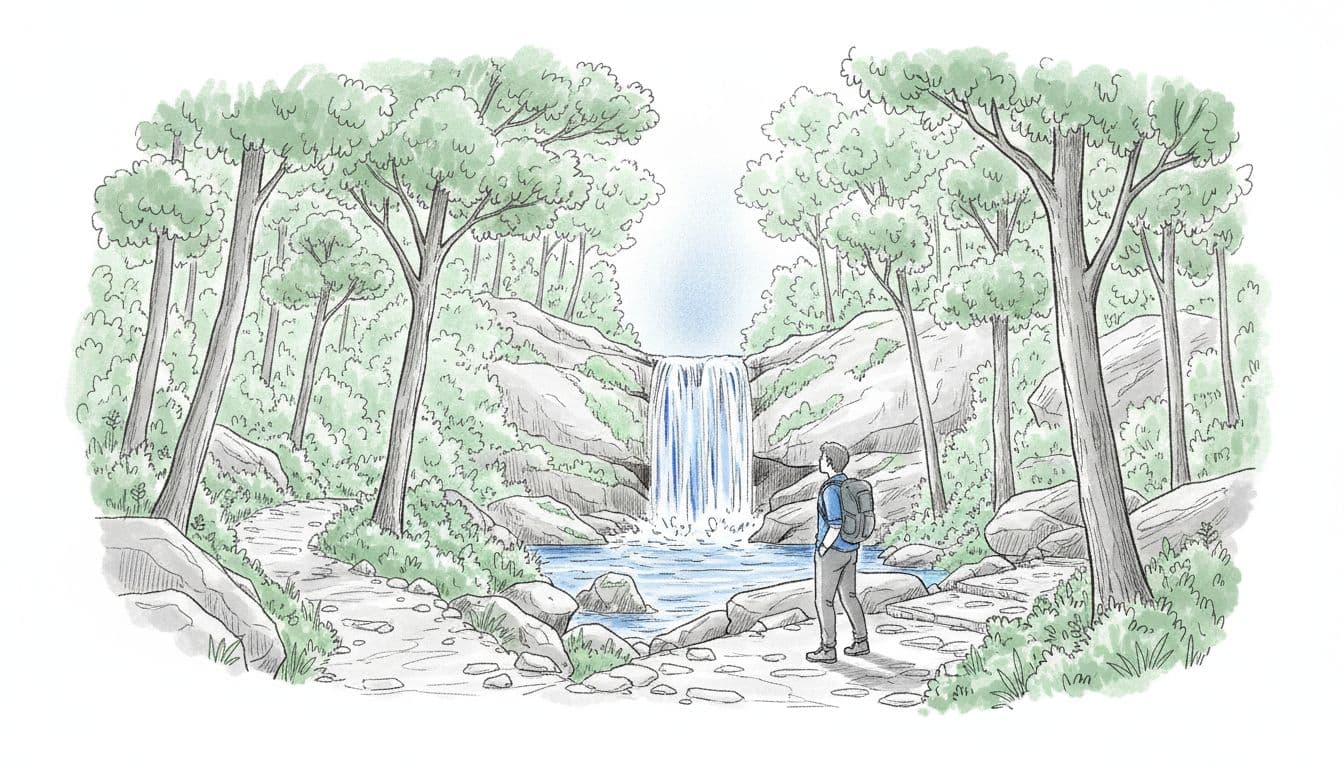
I treat Laurel Falls like the “coffee” of the day, it wakes up your trip fast. Go early and it’s calmer. Show up late and you’ll feel the crowds on the pavement, especially on weekends.
A few practical notes from how I plan it:
- I wear shoes with grip. The paved surface can still feel slick when it’s damp.
- I keep snacks handy and save a longer break for later.
- If you’re moving slow or hiking with kids, that’s fine. This trail still works.
If you only do one waterfall hike today, make it Laurel Falls. It’s the best ratio of wow-factor to effort.
Midday option: Grotto Falls (for the “walk behind it” moment)
If you want something that feels different than “stand and stare,” Grotto Falls is the move. Accessed via the Roaring Fork Motor Nature Trail and following the Trillium Gap Trail, it’s the only place in the national park where most people aim to walk behind the waterfall, and that novelty lands even if you’re not a hardcore hiker. This Grotto Falls hike guide is a solid refresher on the experience and planning basics.
The main trade-off is time. Even a short drive, a slower pace, and a snack stop can push your afternoon later than you expect. So I decide at the trailhead: if I’m already tired or running behind, I skip Grotto and protect my Abrams time. (If you want more elevation gain, Rainbow Falls works well as an alternative.)
Also, plan for damp. I keep a light rain shell accessible, because spray and wet branches can brush you even on a clear day.
Afternoon: Abrams Falls (the best “finale” waterfall)
Abrams Falls is the one I end on when I want my day to feel complete. Located in Cades Cove, the waterfall is powerful, and the trail feels like you actually went hiking, without tipping into “why did I do this” territory. Expect a moderate effort and a few sections where roots and rocks keep you paying attention.
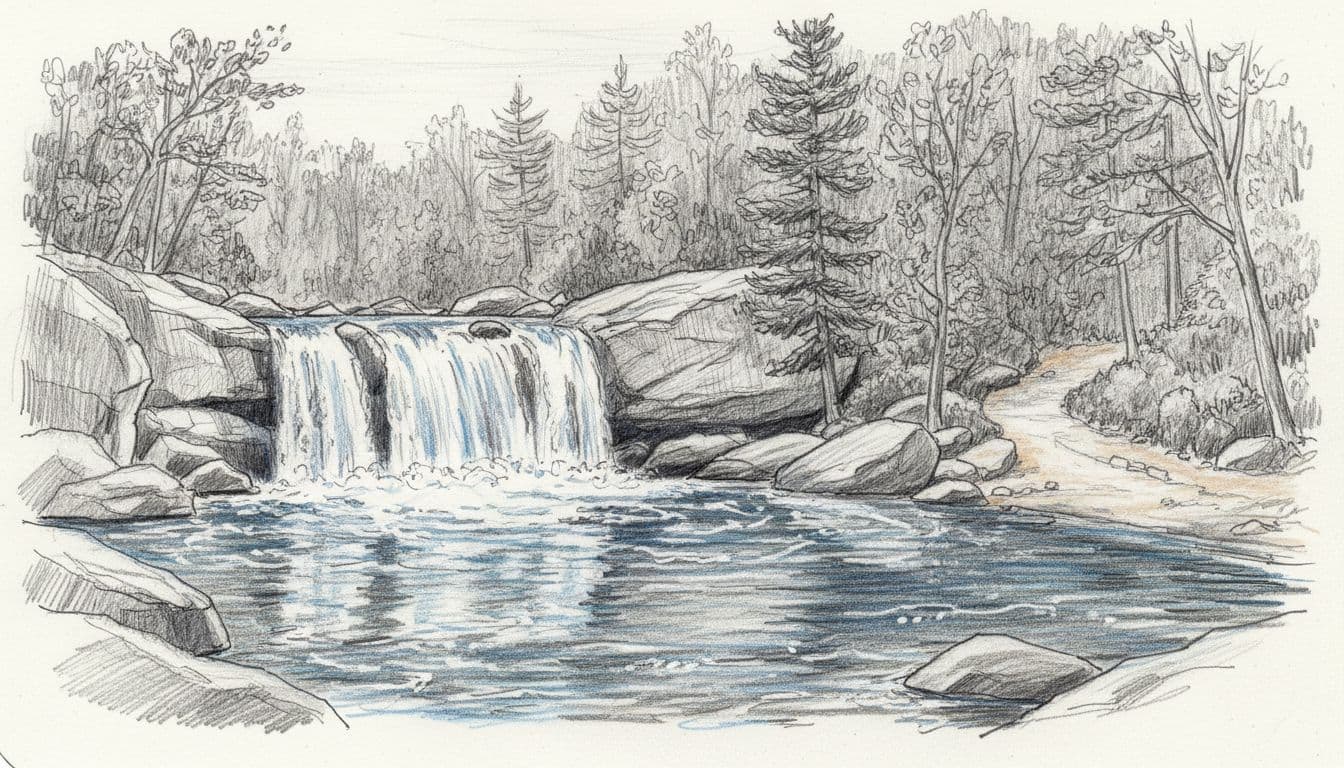
Because this is usually your longest hike of the day, I save my “real” food for right before I start, something salty plus water. That combo keeps the last mile from dragging.
One more safety note: the pool area can look inviting, but moving water is no joke. I keep a respectful distance and avoid hopping around slick rocks for photos.
Parking, weather, and timing (March 2026 notes I plan around)
First, the good news: the Great Smoky Mountains National Park has no entrance fee. However, as of March 2026, you need a parking tag if you’ll be parked longer than 15 minutes in this national park. The Park It Forward rates are $5 daily, $15 for 7 days, or $40 annual, and America the Beautiful passes don’t cover it. I buy ahead when I can, since that removes one more morning headache.
March is a shoulder-season wildcard, which is exactly why I like it for smoky mountains waterfall hikes. Water flow tends to be better than late summer, and the temps can be comfortable once the day warms up. In March 2026, typical conditions run cool to mild, with highs often in the 50s to 60s and nights near freezing, and you should expect a decent number of cloudy days plus wet trails.
A few timing habits that keep things smooth:
- I start early, because the most popular trailheads fill first.
- I pack layers, because the same day can swing from chilly shade to warm sun.
- I keep my route flexible, because road and weather updates change fast in the Smokies; if trailheads are full, The Sinks is one of the best roadside waterfalls to visit.
If you want extra ideas for easier trails beyond waterfalls, this list of easy trails in the Smokies can help you swap in something simpler if conditions turn wet or icy.
Simple packing list for slippery waterfall trails (what I actually use)
I’m not trying to haul my whole closet into the woods. For a one-day waterfall plan on slippery hiking trails, I pack for comfort, wet ground, and “just in case” moments.
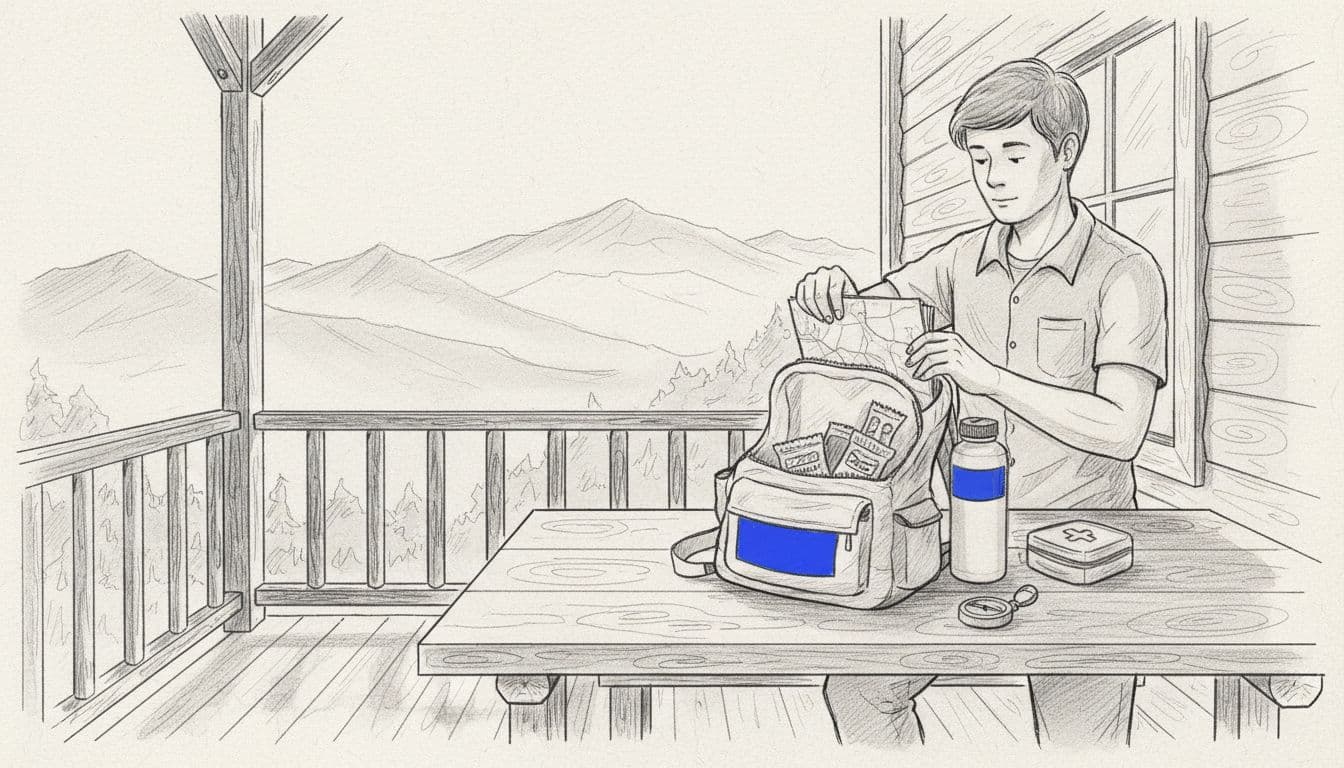
My simple, kid-friendly core kit looks like this, essential for longer waterfall hikes like Ramsey Cascades or Baskins Creek Falls:
- Water plus a salty snack (I bring more than I think I’ll need).
- A light rain jacket or shell (great for the mist at Rainbow Falls), even if the forecast looks fine.
- Grippy shoes, because waterfall trails love surprise slick spots.
- A small first-aid kit (blisters are the #1 mood killer).
- Offline maps downloaded ahead of time.
If you’re newer to hiking and want more “low stress, high payoff” ideas like this, I keep a running list of easy national park hikes for beginners that follows the same planning logic.
FAQs for first-timers doing Smoky Mountains waterfall hikes
Do I need a reservation to enter Great Smoky Mountains National Park?
No. There’s no entrance fee and no entry reservation, but you do need a parking tag if you’ll park longer than 15 minutes.
Are these trails okay for beginners?
Yes, with one honest caveat: Abrams Falls is more of an easy-to-moderate step up. If you take your time, it’s still beginner-friendly.
What if I can only do two stops?
I’d do Laurel Falls and then Abrams Falls. If you want the easiest pair, choose Laurel Falls and Grotto Falls.
Will I see good waterfall flow in March?
Usually, yes. Spring conditions often mean better water flow, but rain can make trails muddy.
Are the trails stroller-friendly?
Laurel Falls is paved, but I still don’t love it for most strollers because grades and crowds can be annoying. For the others, I’d skip the stroller. A nature trail near the visitor center is a better alternative.
Where can I find more waterfall options for families?
This roundup of Smokies waterfalls with kids is a helpful menu when you want backups. For those visiting the North Carolina side of Great Smoky Mountains National Park, kid-friendly options like Deep Creek or Mingo Falls work well too.
Conclusion
A one-day Smokies waterfall loop works best when it’s not packed to the minute (a driving itinerary that functions like a curated collection of hiking trails). I focus on one easy classic (Laurel Falls), one unique option (Grotto Falls), and one bigger finale (Abrams Falls), then I adjust based on parking and weather. If you keep your start time early and your expectations realistic, you’ll get a full day of waterfall magic without feeling rushed. Above all, prioritize safe footing near wet rocks, then enjoy the sound of water doing its thing in the national park.