
If you only have a weekend, Great Smoky Mountains National Park can feel like a pop quiz you didn’t study for. Trailheads fill early, roads bottleneck fast, and the “quick stop” you planned turns into a long loop of circling for a spot.
Here’s my honest take: the best Great Smoky Mountains itinerary for two days is one that keeps driving simple, starts early both mornings, and uses trailheads that have predictable parking (plus solid backup options within 10 to 20 minutes). You’ll still see a waterfall, big views, and classic Smokies forest, without spending half your trip staring at bumpers.
Key takeaways (so you can plan in 2 minutes):
- I park early at the busiest trailheads for popular hiking trails, then “coast” the rest of the day.
- I anchor both days around roads that make sense: Little River Road and Newfound Gap Road.
- I keep a Plan B hike ready that uses bigger lots (Sugarlands, Metcalf Bottoms, Elkmont).
- In March, I assume higher elevations can be cold and roads can be seasonally closed, so I plan a lower-elevation swap.
Parking strategy first, because it decides your whole trip
Most people build a hiking plan, then hope parking works out. I do it the other way around, because parking is the hidden boss level in Great Smoky Mountains National Park, especially with traffic from nearby Gatlinburg.
My simple rules:
- Arrive by 7:30 to 8:00 AM at any “famous” trailhead (Laurel Falls, Alum Cave Trail).
- Use a visitor center as an anchor when you can, because it has bigger lots and bathrooms.
- Keep one nearby backup that won’t ruin your day if the lot is full.
If the lot is full, don’t bargain with yourself. Take the backup immediately, then hike. You’ll feel like a genius by mile one.
Also, don’t skip the admin stuff. Great Smoky Mountains National Park requires a parking tag these days, and requirements can change. I always check the official NPS site the week of my trip for the latest on parking tags, road closures, and trail conditions.
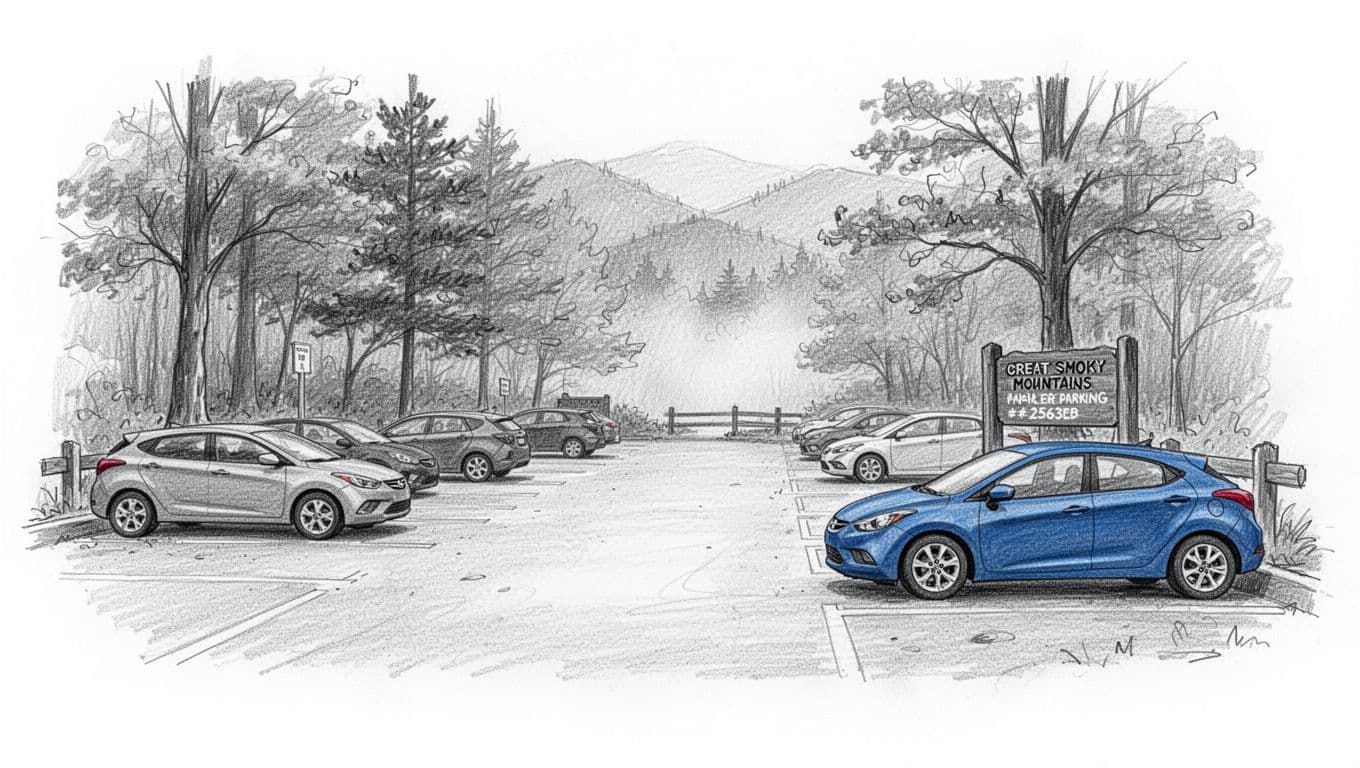
For extra context on how crowded the Smokies can get (and why timing matters), I like this local Smokies itinerary with crowd tips, even if you don’t follow their route exactly.
My two-day Great Smoky Mountains itinerary (with parking you can count on)
Before details, here’s the shape of the weekend in Great Smoky Mountains National Park. I’m assuming you’re staying on the Tennessee side (Gatlinburg, Pigeon Forge, or Townsend). If you’re coming from Cherokee, flip the order.
This is the quick plan I follow:
| Day | Morning (best parking odds) | Afternoon (easier parking) | Backup if lots are full |
|---|---|---|---|
| Day 1 | Laurel Falls | Kuwohi (Clingmans Dome) area views, or Newfound Gap Road | Gatlinburg Trail from Sugarlands |
| Day 2 | Alum Cave Trail (to the Bluffs or farther) | Elkmont or Little River Trail for a calm finish | Metcalf Bottoms Trail |
The big idea is simple: do the “hard to park” hike first, then switch to areas with more flex. It’s like getting airport security over with before you buy snacks.
One March note: I don’t count on high-elevation roads being open. Kuwohi Road is often seasonal, and late-winter weather can linger. When it’s closed, I swap in Newfound Gap overlooks and a lower-elevation trail so the day still works.
Day 1: Laurel Falls early, then big views without the stress
Laurel Falls is popular for a reason. It’s a short, beginner-friendly waterfall hike with a real payoff. It also attracts crowds like a magnet. That’s why I treat it like an appointment, not a maybe. If Laurel Falls is too packed even early, consider nearby Grotto Falls as an alternative.
I aim to park at the Laurel Falls trailhead before 8:00 AM. On a weekend, earlier is better. The trail is paved, steadily uphill on the way out, and it can feel slick after rain. Shoes with grip matter more than fancy gear.
After Laurel Falls, I like to shift from “busy” to “breathe.” If Kuwohi Road is open, I take a scenic drive toward Kuwohi (formerly Clingmans Dome) for a short walk, huge views, and prime wildlife viewing, where you might spot black bears near the road. If it’s closed, I use Newfound Gap as my view stop instead. You still get that Smokies wow factor, with less commitment.

Want the easiest “I just need a win” add-on for later? I like the Gatlinburg Trail from the Sugarlands Visitor Center. The lot is bigger than most trailheads, and the walking is mellow. It’s a good way to end Day 1 without feeling rushed.
Day 2: Alum Cave Trail, with a beginner turnaround and a strong upgrade option
If Day 1 is your warm-up, Day 2 is where you choose your own adventure. The Alum Cave Trail is the perfect example of a hike that works for beginners and also scales up for stronger hikers.
Parking is the choke point. I try to arrive by 7:30 AM. If I miss that window, I don’t force it. I pivot to Elkmont or Metcalf Bottoms, then come back another time.
On the trail, I use these turnaround targets:
- Beginner-friendly goal: hike to Alum Cave Bluffs and return. You get big scenery without committing to an all-day effort.
- Ambitious upgrade: continue on the Alum Cave Trail toward Mount LeConte, which eventually connects to the Appalachian Trail near the summit, only if you’ve trained for steep mileage and you started early.
Either way, bring more water than you think you need. Also pack a warm layer. In March, the temperature can swing hard between trailhead and higher elevations, but these hiking trails are spectacular for fall colors later in the year.
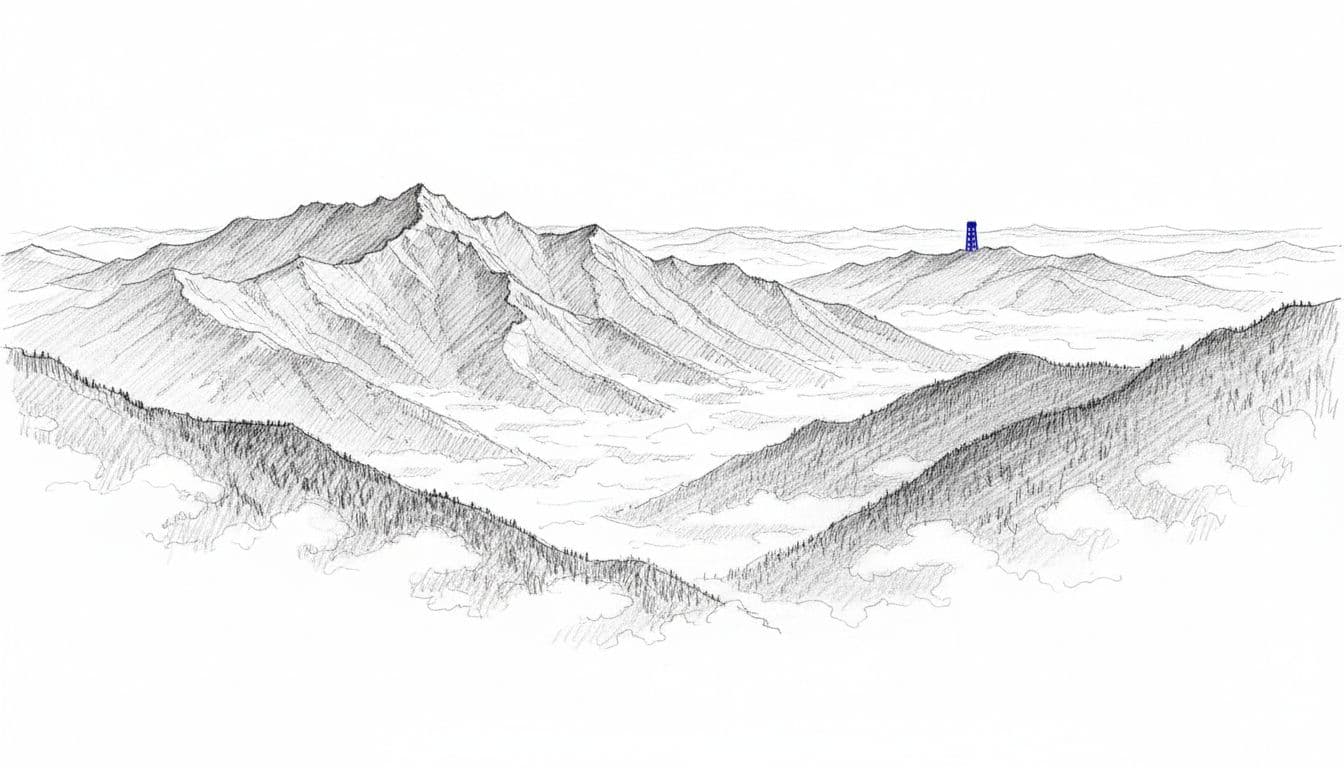
After your hike, I like a low-pressure finish. Elkmont’s river trails are great for a cooldown walk and photos. For another high-reward option in the area like Rainbow Falls, or an alternative view such as Andrews Bald instead of the main peaks like Mount LeConte, check this weekend itinerary overview for a helpful compare-and-contrast.
FAQs for a smooth two-day Smokies weekend
Do I need reservations to hike in Great Smoky Mountains National Park?
Usually, no. Having said that, parking rules and seasonal access can change, so I check the official NPS site before I leave. Also, remember to get your parking tag for Great Smoky Mountains National Park lots.
What time should I arrive for easy parking?
For Laurel Falls and Alum Cave, I plan on 7:30 to 8:00 AM. After 9:00 AM, expect full lots on weekends.
Is this Great Smoky Mountains itinerary beginner-friendly?
Yes, as long as you use the beginner turnarounds (Laurel Falls, Alum Cave to the Bluffs, Gatlinburg Trail). Save longer summit hikes for another trip.
What if Kuwohi Road is closed in March?
I swap in Newfound Gap overlooks and a lower-elevation trail near Sugarlands, Elkmont, or Metcalf Bottoms. The day still feels full.
Where should I stay to reduce driving?
Townsend is quieter and makes morning access easier on Little River Road via the Foothills Parkway. Gatlinburg is closer to Sugarlands and the Roaring Fork Motor Nature Trail, but traffic can be heavier. For another two-day take, compare with this two perfect days guide.
Should I visit Cades Cove during my trip?
Cades Cove is a must if you have time, especially early mornings to beat crowds. Note the vehicle-free Wednesday program for a peaceful bike or hike experience.
What about the eastern side of the park?
Head to the Oconaluftee Visitor Center if you’re exploring toward the Blue Ridge Parkway or Cherokee for history, elk viewing, and easy trails.
For easy waterfall picks, see the Great Smoky Mountains easy waterfall hikes.
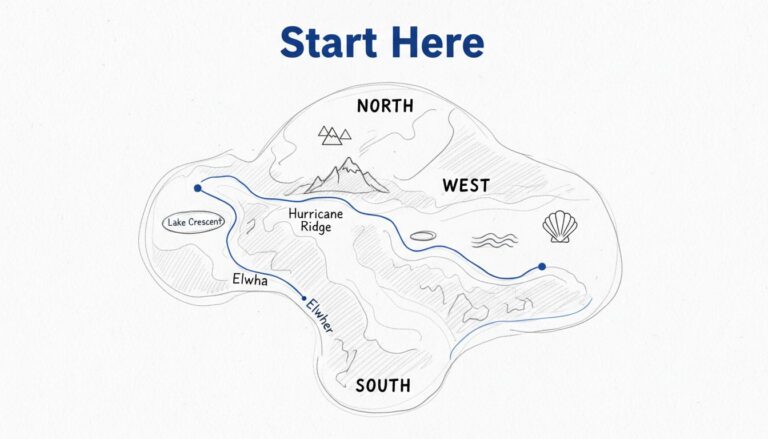
For the area-by-area orientation, see the Great Smoky Mountains map guide.
Conclusion
A successful Great Smoky Mountains itinerary requires balance; it’s not about cramming in every landmark. It’s about choosing hikes that match your energy, then locking down parking so your weekend actually feels like a vacation. Start early, keep a backup trail ready, and you’ll spend more time on dirt and less time in the driver’s seat. These hiking trails are just the beginning of what the Great Smoky Mountains National Park offers. If you try this plan, I’d love to know what your “surprise favorite” stop ends up being.


We’re travelling to hike the Great Smoky Mountains for two days in early August. Your itinerary is perfect for our trip, but Laurel Falls Trail has been closed since January 2025 and is currently still closed. What would be the best substitute for Laurel Falls on Day 1?