Utah spoils hikers fast. In a single trip through Southern Utah, you can walk beneath arches, drop into hoodoos, and end the day beside an alpine lake.
The short answer is that the best hikes in Utah are the ones with big payoff and low regret. Scenery per hour matters more than bragging rights, so the smartest first trips are built around one iconic trail, one easier scenic walk, and one smart backup for weather or crowds.
Key takeaways
- For most first-time visitors, Queen’s Garden, Delicate Arch, and Silver Lake Loop are the best starter mix.
- Zion icons take more planning, because Angels Landing needs a permit through a lottery and The Narrows can close during spring runoff.
- Arches has dropped timed entry for the 2026 season, but entrance waits can still top an hour in busy months.
- Early starts beat heat, parking stress, and the worst crowds almost everywhere in Utah.
The best hikes in Utah for easy payoff
Beginners and families do best on hikes that feel epic without asking for expert skills. That usually means shorter mileage, clear route-finding, and scenery that shows up early.
Silver Lake Loop
Silver Lake Loop is one of the easiest yeses in the whole state. The trailhead sits in Big Cottonwood Canyon with minimal elevation gain, and the roughly one-mile route stays mostly flat on a wheelchair-accessible boardwalk while still feeling like real mountain country. If you want an easy alpine option near Salt Lake City, this Silver Lake Loop trail guide shows why so many new hikers love it.
Queen’s Garden Trail
Bryce Canyon National Park looks best from below the rim, and Queen’s Garden is the least stressful way to get down there. The hoodoos rise around the trail like a stone maze, but the route stays straightforward. Pairing it with the Navajo Loop makes an even better scenic loop, and the Park Service actually recommends descending Navajo and climbing back out on Queen’s Garden. To get your bearings first, this Bryce Canyon map guide shows which areas to focus on, and this Bryce Canyon one-day sunrise plan times it so the amphitheater glows.
Watchman Trail
In Zion National Park, beginners are better off on Watchman before anyone mentions chains or river crossings. The 3.3-mile round trip climbs enough to feel earned, yet it avoids permit drama and keeps the route simple. If you only have one park day, this one-day Zion National Park itinerary keeps the pacing sane, and a longer Zion itinerary for beginners covers one to three days if you have more time. If heat or knees are a concern, scale down to an easier Zion walk instead of forcing a bigger objective.
The iconic Utah hikes worth the extra work
Some hikes are famous because they’re crowded. These ones are famous because they still feel huge in person. They reward strong legs, but Utah punishes bad timing faster than weak legs.
Delicate Arch
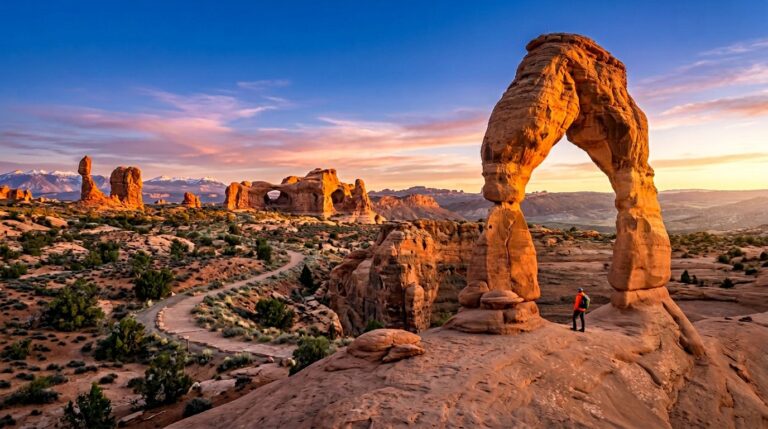
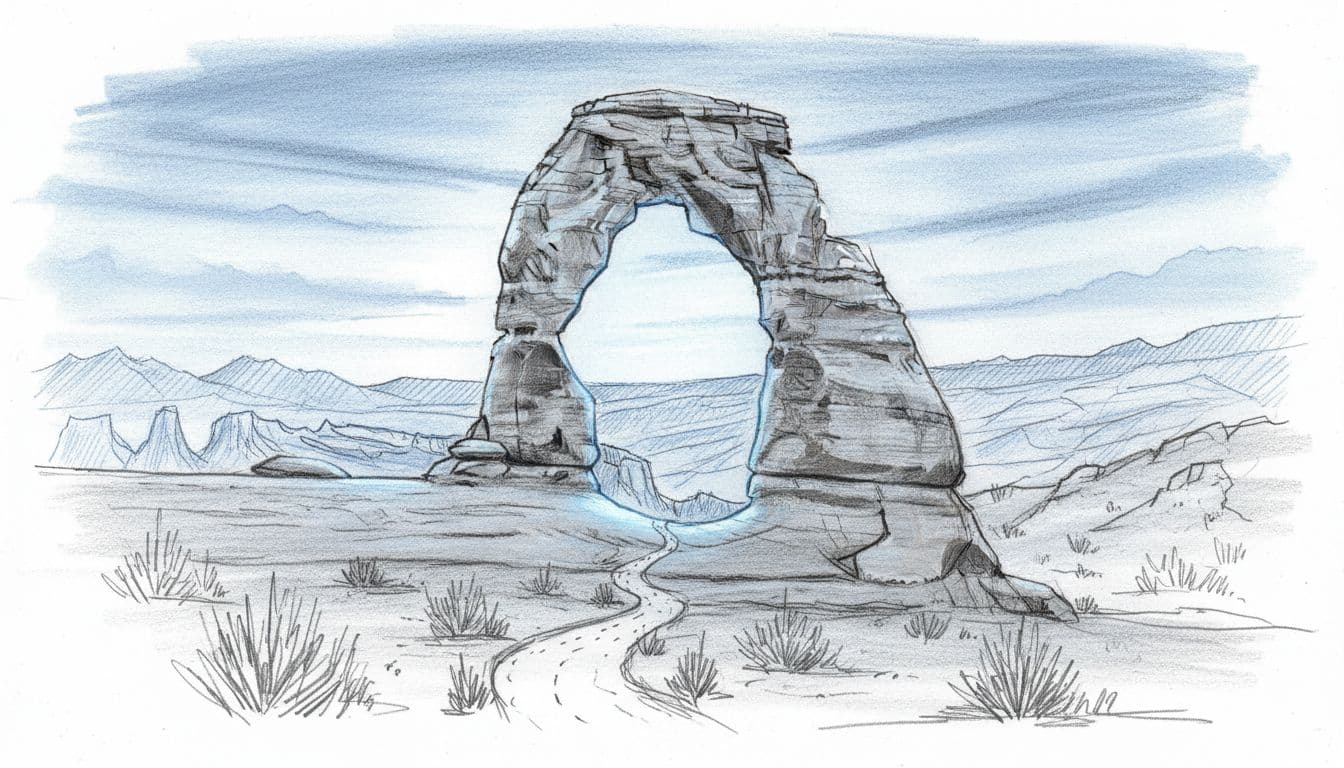
If there’s one Utah hike everyone should do once, it’s Delicate Arch in Arches National Park near Moab. The 3-mile round trip climbs about 480 feet, short enough for motivated beginners, but the slickrock, sun exposure, and steady climb catch people off guard. I’ve stood under the arch myself, and the final ledge traverse is more exposed than the mileage suggests. For a deeper rundown of what else is worth your time in the park, see these best hikes in Arches for canyons and big views, and this Arches National Park map helps first-timers plan the drive between trailheads.
Arches has dropped its timed-entry reservation requirement for the 2026 season. That’s welcome news, but it doesn’t guarantee smooth access. Entrance waits can still stretch past 60 minutes from spring into fall, so arrive early and avoid the late-morning bottleneck.
If you’re in the Moab area, Corona Arch makes a great alternative just outside the park, a 3-mile round trip on BLM land. With extra time, Canyonlands National Park is an easy add nearby, and this Canyonlands National Park map shows where to start in the Island in the Sky district.
Angels Landing
Angels Landing deserves the hype, but it isn’t a default pick. Every hiker needs a permit, awarded through a lottery on Recreation.gov, either a seasonal lottery months ahead or a day-before lottery that closes at 3 p.m. Mountain Time. Add the switchbacks, the drop-offs, and the stop-and-go crowd, and a dream 5.4-mile round trip can turn into a tense day. Many groups are happier on one of these Angels Landing alternatives in Zion, especially if heights make anyone uneasy. Hikers can still reach Scout Lookout without a permit and turn back there for big canyon views.
The Narrows, with one smart backup
The Narrows, Zion’s world-famous slot canyon, might be Utah’s most unusual hike because you walk in the river, not beside it. The bottom-up route from the Temple of Sinawava doesn’t require a permit, but spring is a gamble. Snowmelt often pushes flows over 150 cubic feet per second, the threshold where the Park Service closes the canyon, which has shut it down well into May or June in recent years. Keep a dry backup ready. Lower Calf Creek Falls is a strong trade-off, a roughly 6-mile round trip in Grand Staircase-Escalante with far less logistics and a desert waterfall at the end that feels like finding shade in the middle of an oven.
How to choose the right Utah hike for the day
Utah is really two hiking states. When summer heat hits the south, head north or climb higher. That’s when mountain trails like Stewart Falls, which lights up with fall colors, or the soak at Fifth Water Hot Springs shine, and the Stewart Falls trail page is useful for recent notes on snow, mud, and traffic.
Spring and fall are the sweet spot for Southern Utah red-rock trips, which is exactly why pairing Zion and Bryce works so well. For a quieter day, add Capitol Reef National Park to a Southern Utah itinerary, since it draws the smallest crowds of the Mighty 5, and this Capitol Reef National Park map helps you plan around it. For a short road trip, this Zion and Bryce 4-day hiking itinerary follows a beginner-friendly pace, and a focused 2-day Zion itinerary works if Zion is your only stop. For gentler family options, this roundup of super easy Utah hiking trails is a helpful backup list.
In Utah, the best trail often isn’t the hardest one. It’s the one that fits the weather, your legs, and the clock.
A few rules keep most hikers out of trouble. Start early, carry more water than you think you need, and treat Utah sun with respect even in cool months. Watch road and trail changes too. Parts of Zion still deal with rockfall closures, Kolob Terrace Road can close in snowy periods, and The Narrows may shut down when runoff spikes. Plan around current conditions, and Utah gets a lot easier.
For the cleanest first lineup of the best hikes in Utah, pick Queen’s Garden, Delicate Arch, and either Watchman or Silver Lake Loop. That mix gives you classic red rock, one true bucket-list trail, and one easy confidence-builder that introduces the national parks. Pick fewer hikes, start earlier, and leave room for a backup. Utah feels bigger when you stop trying to conquer it.
FAQs about the best hikes in Utah
What is the best Utah hike for absolute beginners?
Silver Lake Loop is the easiest yes. It’s short, scenic, and low stress, which makes it a great first hike near Salt Lake City.
What’s the best Utah national park hike for first-timers?
Queen’s Garden in Bryce is the top pick. It gets you among the hoodoos and red rock scenery without permit hassle or scary exposure.
Are Utah hikes good in March?
Yes, especially in southern Utah. Conditions swing fast, though, so check same-day updates for river levels, snow, and road closures. If river levels are too high for a slot canyon trek, a waterfall hike like Lower Calf Creek Falls is a great seasonal alternative.
Do I need permits for the best hikes in Utah?
Only some of them. Angels Landing needs a permit through a lottery, while Delicate Arch, Queen’s Garden, Watchman, and Silver Lake Loop do not.