If you only have a weekend in Acadia National Park on Mount Desert Island, I think the best acadia two day itinerary is simple: one sunrise, one big coastal walk, one classic pond loop, and enough buffer to keep crowds and parking from stealing your time.
This plan is built for beginner hikers who want views fast, clear trails, and “we’re on vacation” energy, not an all-day suffer-fest. I’ll keep the hiking trails easy, the driving logical, and the timing realistic.
Key takeaways (read this, then go):
- Start early both days, because parking is the real boss fight in Acadia.
- Sunrise is worth it, but only if you plan your access (season matters).
- Ocean Path + Jordan Pond gives you the best scenery per mile.
- In March 2026, expect winter road closures and trail ice, plan alternates.
What to know before you go (so you don’t waste half your weekend)
Before exploring Acadia National Park, make your first stop the Hulls Cove Visitor Center to check current conditions. Bar Harbor on Mount Desert Island serves as a great base for your trip.
First, set expectations around seasons. In peak season, you’ll have full access to Acadia National Park, but you’ll deal with lines and full lots at popular spots like Sand Beach. In March 2026, the park is still in winter mode: widespread road closures (including much of Park Loop Road) and icy footing on popular paths. Some cliff trails also close for peregrine falcon nesting starting in early March, so don’t build your plan around steep ladder routes.
My rule: if access is uncertain (winter storms, road gates, closures), I plan one “must-do” per day and keep two easy backups.
For sunrise, Cadillac Mountain is the headline. When the Cadillac Summit Road is open in the main season, you can drive up and walk a short distance to viewpoints. In busier months, the park requires a vehicle reservation purchased in advance for summit road access. In winter, that road can be closed, which changes the whole sunrise strategy. If you’re visiting in March, I’d pivot to sunrise from somewhere you can reliably reach by plowed roads (often the Schoodic Peninsula area on the stunning Maine coast stays more accessible than the Loop Road side, although it can have storm damage and lane issues).
Fees also matter. The park charges an entrance fee (commonly around $35 per vehicle for seven days, but confirm before you go). Finally, don’t count on shuttles in the off-season. The Island Explorer is mainly a seasonal transit option for summer, so in spring and fall shoulder seasons, you’re usually driving yourself.
If you want a broader comparison of easy, high-payoff walks across the park system, my roundup of easy national park hikes for beginners can help you sanity-check what “easy” should feel like.
Day 1: Sunrise, then the easiest coastal wow-factor in the park
sunrise at Cadillac Mountain (best when the summit road is open)
I like to treat sunrise at Cadillac Mountain in Acadia National Park as a short, focused mission. I’m talking warm layers, a headlamp, and a thermos if you’re into that. Plan to arrive early enough to park, walk to a viewpoint, and settle in before the sky starts changing.
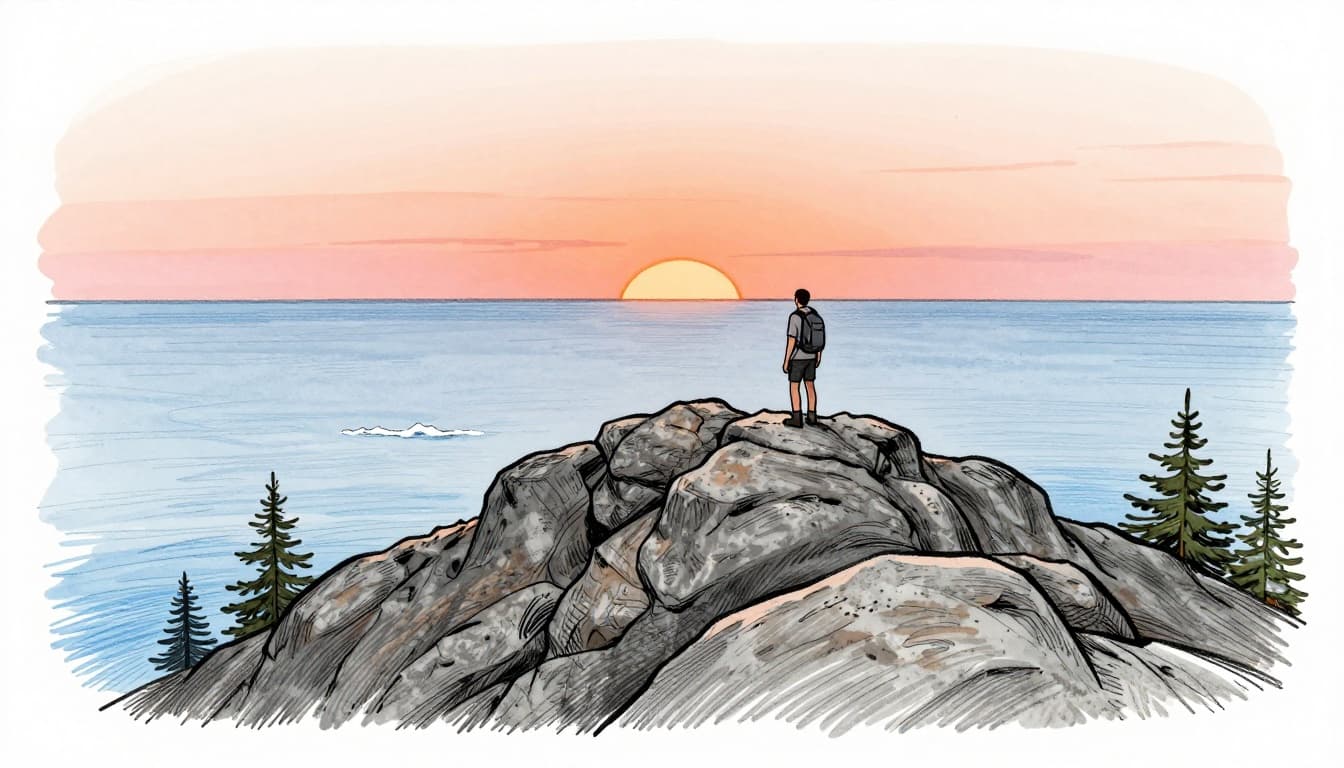
If you’re traveling in March 2026, be prepared for this: the summit road is often closed in winter, and much of the scenic loop driving can be gated until mid-April. In that case, I’d skip fighting the “maybe” and go straight to an accessible sunrise spot you can reach confidently (Schoodic is a smart fallback, and it’s usually calmer).
Mid-morning: Ocean Path (choose your turnaround)
After sunrise, I go coastal. Ocean Path is my favorite beginner-friendly walk in Acadia National Park because it’s obvious, scenic almost immediately, and flexible. You can do a short out-and-back and still feel like you saw the park.
In the main season, I start near Sand Beach and walk toward Otter Point, passing the dramatic Thunder Hole along the way. I stop a lot, because the views keep changing. If you’re new to hiking, that’s a gift; you can pace it like a casual stroll with photo breaks. If you’re an advanced hiker looking for more challenge nearby, check out the Beehive Trail or Precipice Trail, but this plan focuses on the easier Ocean Path.
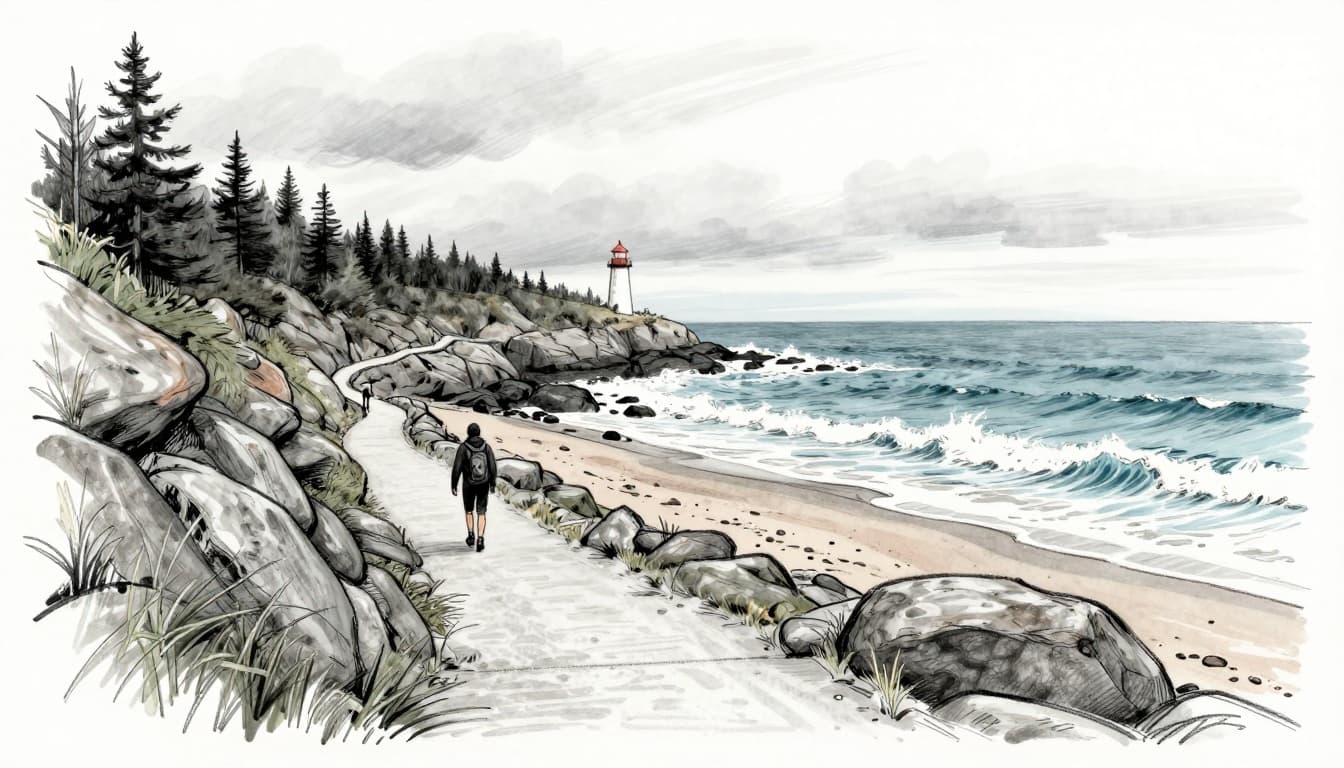
My practical Ocean Path advice:
- If it’s windy, turn around sooner. Gusts can make the cliffs feel harsher.
- If it rained, slow down on smooth rock and wet steps.
- If you’re visiting in March, assume ice patches and bring traction.
For a different take on how to arrange a weekend, compare this approach with Earth Trekkers’ Acadia itinerary. I don’t follow every stop, but it’s a solid cross-check.
Afternoon: one scenic drive goal, then an early dinner
In peak season, I’ll tack on a few Park Loop Road overlooks after Ocean Path, then head back toward Bar Harbor before late-day traffic stacks up. Grab lobster rolls in Bar Harbor for an early dinner, noting how Park Loop Road traffic often flows toward Jordan Pond. If you still have energy, keep it light: a short shoreline wander, a mellow viewpoint, then dinner.
Day 2: Jordan Pond’s easy loop (the postcard walk I’d never skip)
If Day 1 is all salt air, Day 2 is your calm-water reset.
Jordan Pond Path is the “easy loop that doesn’t feel easy in a boring way.” It’s about 3 miles and change in Acadia National Park, mostly gentle, with a famous boardwalk stretch over the shoreline hiking trails and constant views across the water to The Bubbles. I recommend going early again, because the trail feels quieter and the parking is less stressful.
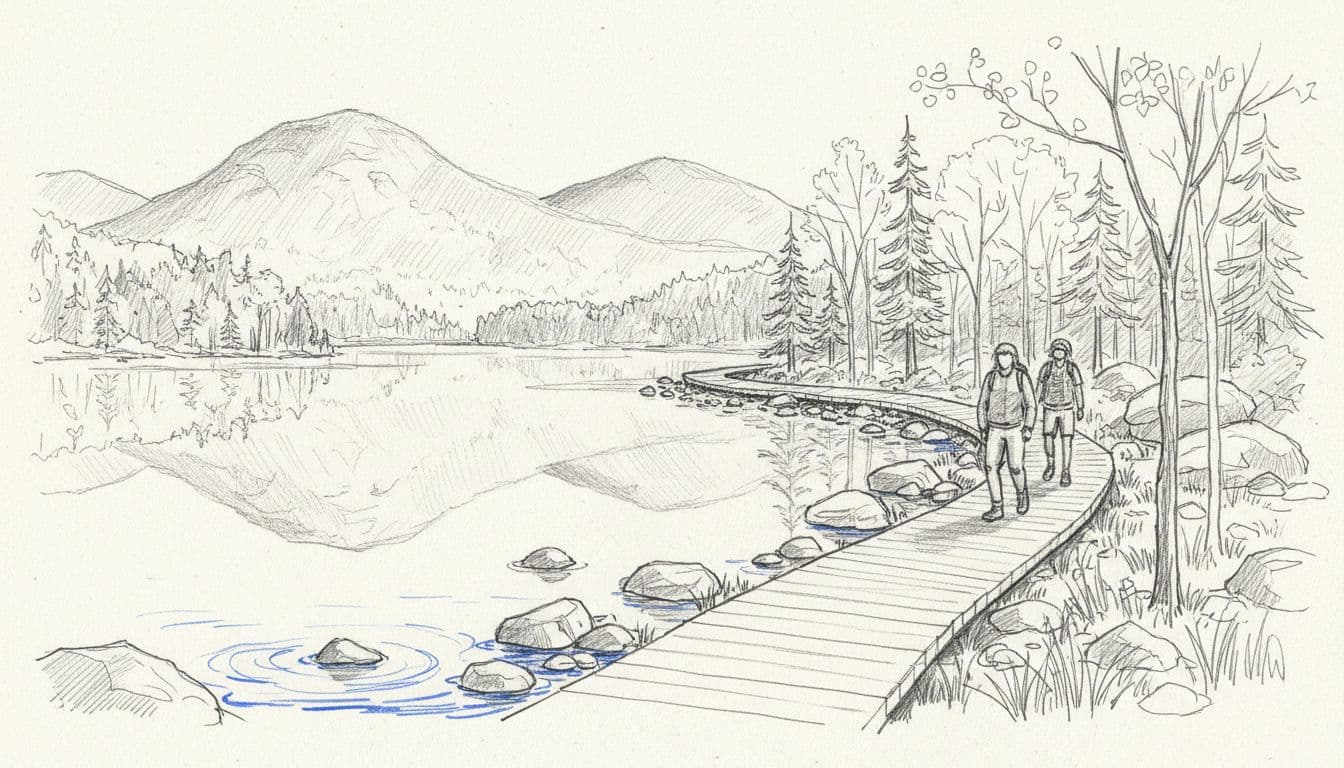
For the full play-by-play (including terrain and what to expect on the rougher shoreline sections), use my Jordan Pond Path loop trail guide.
A quick reality check for March 2026: Jordan Pond Road access off Park Loop Road is often closed in winter. If you can’t reach the pond, don’t force it. Pivot to lower-elevation walks or head to Schoodic, which can be a great “save the day” option when the main island roads are gated. After the hike (or anytime you make it), stop at the Jordan Pond House for their famous popovers. It’s close to Bar Harbor for any final supply runs.
Optional add-on: a flat carriage roads stroll
If you want more steps without more difficulty, I like adding a short carriage roads segment after Jordan Pond. Wide gravel, no cars, and a steady pace. It’s the hiking equivalent of an easy spin on a bike path.
For another evening option, try a sunset drive to Bass Harbor Head Lighthouse in Southwest Harbor.
For another weekend framework (especially if you want to stretch to three days later), Moon has a helpful planning read: best of Acadia in three days.
FAQs about an Acadia two day itinerary
Do I need a reservation for Cadillac Mountain sunrise?
In Acadia National Park’s main season, the park uses a vehicle reservation system for the summit road to Cadillac Mountain at certain times, especially for sunrise at Cadillac Mountain. Rules and dates can change, so I always confirm close to my trip.
Is this itinerary doable for beginner hikers?
Yes. Ocean Path is flexible, and Jordan Pond is a classic easy loop. Still, watch your footing on wet rock and boardwalk.
What if I’m visiting in March 2026?
Plan for winter road closures, icy trails, and limited services. Keep traction in your bag, and have a backup like Schoodic Peninsula if the Loop Road side is gated.
How early should I arrive for parking?
For sunrise, I arrive well before first light. For daytime trailheads in peak season, early morning is the safest bet.
What else should I see or where can I eat?
Grab the famous popovers at Jordan Pond House, and check out highlights like Sand Beach, Thunder Hole, and Bass Harbor Head Lighthouse.
Can I do this without a car?
In summer, the Island Explorer shuttle from Bar Harbor can help, but it’s seasonal. Without a car, you’ll need to build your plan around what’s running and where it stops.
Conclusion
Two days in Acadia National Park goes fast, so I plan it like a good camp meal: simple ingredients, great timing, and no wasted motion. Prioritize sunrise, then balance your weekend with one coastal walk and one easy loop. If you keep mornings early and expectations realistic (especially in March 2026), you’ll leave feeling like you saw the best of the park, not just the busiest parking lots. Acadia National Park shines year-round, especially during the peak of fall colors; cap off your trip at a local lobster pound just outside Bar Harbor. For a follow-up adventure craving more remoteness, try Isle au Haut.