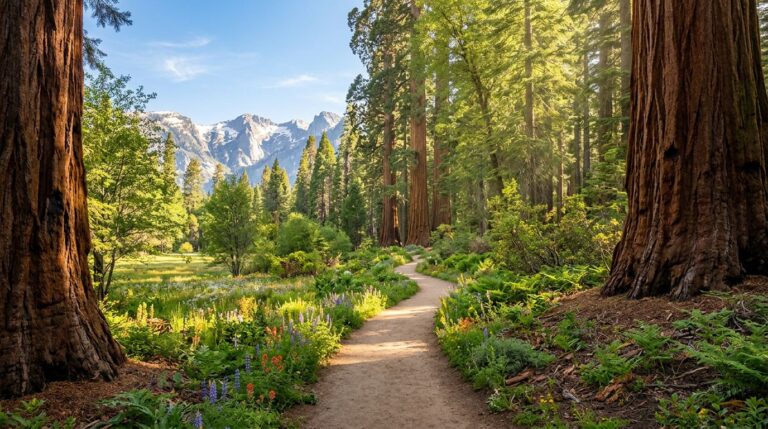
The Treasure State delivers outdoor adventure without delay. One trail leads to a turquoise lake, another ends on a summit, and a third gives you both before lunch.
If you ask me for the best hikes in Montana, I keep it simple. Glacier National Park is the best starting point, Beartooth is the best alpine upgrade, and Storm Castle is my favorite quick summit win. In March 2026, high snow still covers many upper trails, so timing matters almost as much as the trail itself.
That’s the lens I use when I recommend hikes here.
Key takeaways
- Glacier National Park is my top pick for first-time Montana hikers.
- Beartooth Country has bigger alpine space, but most prime trails are best from July to September.
- Storm Castle Peak gives one of the best summit payoffs for the effort.
- In spring 2026, expect snow on high trails and carry bear spray.
How I decide which Montana hikes are worth it
I judge a trail by one question: do the scenic views earn the effort? I’m not chasing mileage for bragging rights. I want scenery that builds, then lands with a real payoff, a lake, a peak, or a huge open horizon.
Here’s the short list I come back to most:
| Trail | Round Trip Distance | Best reason to go | Best window |
|---|---|---|---|
| Avalanche Lake | 5.9 miles | Lake, cliffs, waterfalls | July to September |
| Hidden Lake Overlook | 2.7 miles | Fast alpine views | Mid-July to September |
| Storm Castle Peak | 6 miles | Big summit payoff | Late spring to fall |
| Rainbow Lake via East Rosebud | 11 miles | Lakes and canyon scenery | July to September |
The biggest mistake I see is picking the most famous hike instead of the right hike. Some big-name trails are excellent, but they can be crowded, snowy, or more demanding than they look. So when I plan a trip, I match the hike to the season first, then to fitness (factoring in essential hiking gear such as sturdy hiking boots), then to hype.
Glacier National Park is the easiest place to start
When friends want lakes, peaks, and a strong first Montana trip, I send them to Glacier National Park, which borders the Flathead National Forest. The scenery feels oversized, yet a lot of the best payoffs come on doable day hikes.
Avalanche Lake is my best all-around pick, a classic day hike. The trail moves through cedar forest and wildflower meadows, crosses creeks, and ends at an alpine lake boxed in by steep walls and hanging waterfalls. It feels dramatic without turning into an all-day grind.
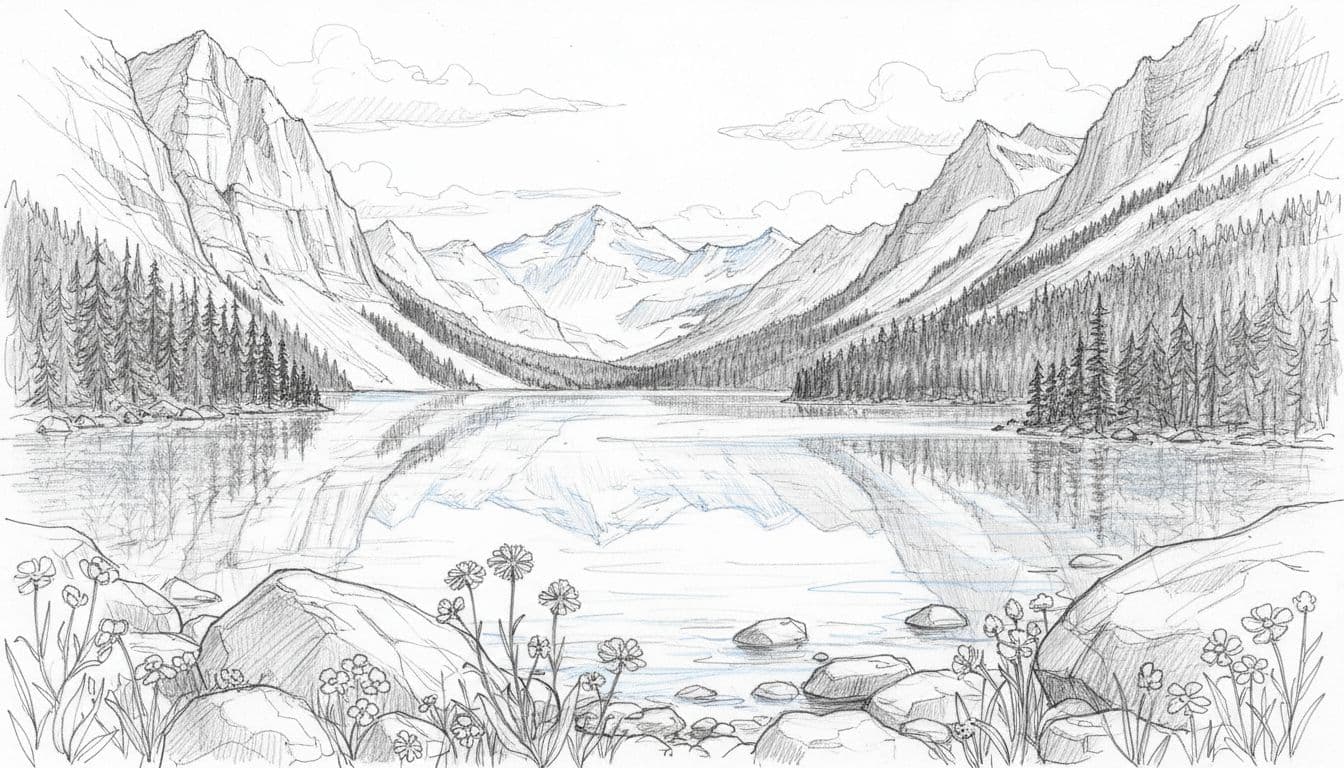
Hidden Lake Overlook is the quicker hit of alpine scenery. When Logan Pass is open, this is the one I suggest if you want that instant Glacier National Park feeling, high country, sharp peaks, cold air, and a view of alpine lakes and wildflower meadows that makes people go quiet. Keep in mind, though, wind and leftover snow can make it feel tougher than the mileage suggests.
Grinnell Glacier Trail is amazing, but I don’t sell it as a beginner route. It’s longer, steeper, with notable elevation gain, and better when you already know how your legs handle a full day in the mountains. If you want simpler planning and lower-stress options, my guide to Glacier National Park day hikes for beginners is a smart next read. Stay alert for grizzly bears on these trails and throughout the park.
Right now, spring 2026 still looks snowy up high. No major closures stand out yet, but higher Glacier National Park trails often stay snow-covered into late June, sometimes longer. So if you’re going early, keep a lower-elevation backup.
Beartooth, Storm Castle, and Bob Marshall each scratch a different itch
Beartooth is my pick for wild alpine lake country
If Glacier feels classic, the Beartooth Mountains feel raw. That’s the appeal. The lakes sit higher, the ridges look rougher, and the views stretch wider.
My favorite intro is the East Rosebud corridor toward Rainbow Lake. You get water, canyon walls, and steady scenery almost the whole time. If you want a bigger point-to-point adventure, Outside Bozeman’s look at the Beaten Path shows why that route has such a loyal following.
Pine Creek Lake is another strong choice if you want one big objective. The climb is honest, yet the final lake basin and surrounding peaks feel worth every switchback. I recommend Beartooth most for hikers who already know they like longer trail days.
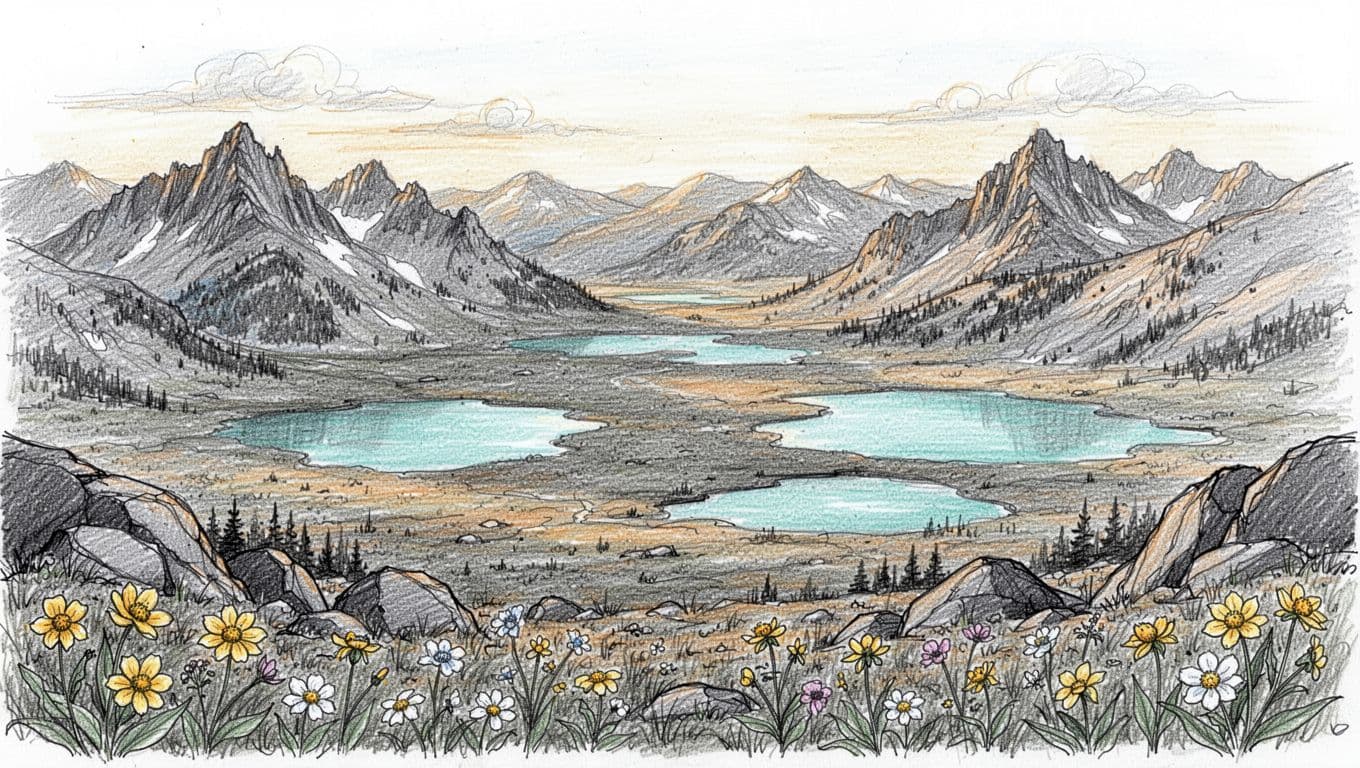
Current spring 2026 reports still point to heavy snow in the Beartooth high country until July. So unless you’re ready for snow travel, this is mainly a summer and early fall zone.
In Montana, the best view usually comes from picking the right season, not the hardest trail.
Storm Castle is the summit pick, Bob Marshall is the remote one
Storm Castle Peak near Big Sky Montana is my favorite summit hike for pure return on effort. Located within the Custer Gallatin National Forest, it’s steep with notable elevation gain, but the route is short enough to fit a half-day, and the top gives you views of the Gallatin Canyon, river, and mountains all at once. If you want a peak that feels earned without becoming a monster day, this is it. For easier alternatives in the Big Sky Montana area, consider Lava Lake or Ousel Falls.
Bob Marshall is the wild card. I think of it as the place to go once you know you like longer miles, rougher logistics, and fewer people in the backcountry. The scenery is huge, but so is the commitment. Bears, distance, and changing weather are part of the deal, so I don’t put it at the top of a beginner list. If remote country is your goal, the Forest Service overview of the Bob Marshall Wilderness Complex is the best place to start.
Montana rewards smart choices more than macho ones. Pick Glacier for balance, Beartooth for alpine drama, and Storm Castle for a sharp summit fix.
If your trip falls in spring, stay lower and keep the plan loose. If it lands in summer, start earlier than you think, because the best trailheads in the national forest fill fast.
Big views are easy to find here. The trick is choosing the trail that fits your season and your legs.
FAQs
When is the best time to hike high trails in Montana?
I recommend July through September for most lake and peak hikes, when wildflower meadows burst with color. In spring 2026, many higher routes in Glacier National Park and Beartooth still hold snow into late June or July. Arrive at the trailhead early to secure parking and enjoy quieter trails.
Which Montana hikes are best for beginners?
Avalanche Lake is my favorite beginner-friendly pick and ideal for family-friendly hikes. Ousel Falls offers another accessible family-friendly hike with gentle terrain. Hidden Lake Overlook is also great when snow is mostly gone. Lava Lake makes for a rewarding moderate day hike. Storm Castle works for fit beginners who don’t mind a steep climb. Round trip times vary by season, so check current conditions.
Do I need bear spray on Montana hikes?
Yes, I carry it on Montana trails, especially in Glacier National Park and the Bob Marshall, to handle potential wildlife encounters. Keep it easy to reach, because buried gear doesn’t help much.
Should I pack water purification for longer Montana hikes?
For longer days on the trail, yes, bring water purification tablets or a filter to safely refill from streams and lakes.