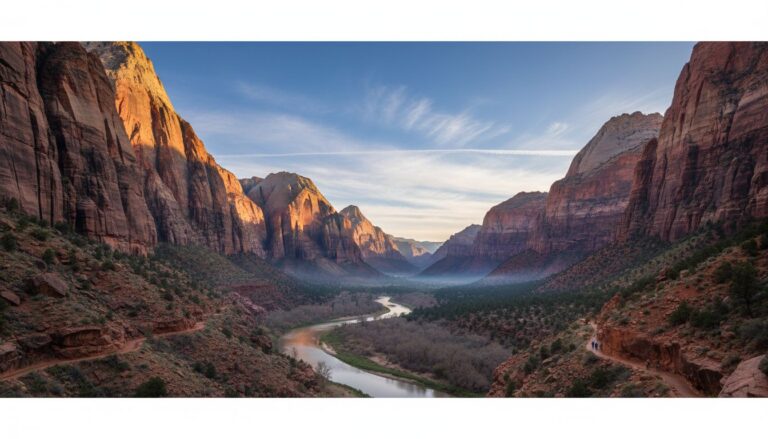
If you ask me, the best oregon hikes aren’t always the longest or hardest. The sweet spot is a trail that gives you a real Oregon moment, waterfalls at your feet, a volcano on the skyline, or red rock under your boots, without turning the day into a grind.
That’s why I keep coming back to the same short list. These are the day hikes I’d recommend first to beginners and casual outdoor fans, because they deliver big scenery with clear trade-offs.
Here’s the short version before you pick a trail.
Key takeaways
- I’d start most hikers at Silver Falls State Park.
- For classic mountain views, Mount Hood trails are hard to beat.
- In March 2026, I’d double-check conditions before any high-elevation or coastal hike.
My favorite starter hikes in Oregon
If I could only recommend one first hike in Oregon, I’d send you to the Trail of Ten Falls at Silver Falls State Park. It’s the kind of loop trail that makes people fall in love with hiking fast. You get lush old-growth forests surrounding the waterfalls, huge waterfalls, and that damp, mossy look Oregon does so well.
What I like most is the flexibility. You can do the full loop if you’ve got the energy, or shorten the day and still see the best parts. That matters for beginners, because a great first hike should leave you excited, not wrecked.
For a second step up, I like the Multnomah Falls and Wahkeena area in the Columbia River Gorge. The full loop is more of a workout, but the payoff comes early, which is my favorite kind of trail math. If you’re planning that one in the warm months, I’d read the Friends of the Columbia Gorge trail page first, because timed-use parking rules at the parking lot near the trailhead can affect your morning.
Mirror Lake near Mount Hood also deserves a mention. It’s popular for a reason. On a calm day, the mountain reflection feels almost too perfect, like Oregon is showing off a little.
The Oregon hikes with the best mountain payoff
When I want mountain scenery without signing up for an all-day sufferfest, I usually look toward Mount Hood or Crater Lake National Park. These trails feel big, but they still make sense for newer hikers if the weather lines up.
Tom, Dick and Harry Mountain is one of my favorite picks. Nearby Mirror Lake, one of the best alpine lakes for mountain views, adds to the appeal. The elevation gain on the climb makes you work, but the summit view feels like a proper reward for the elevation gain. You don’t get a shy little peek of the mountain either. You get the full mountain, broad and close, the kind of view that makes you stop talking for a minute.
If you want something quieter and easier to control, Crater Lake National Park is a smart choice in summer and early fall. The rim trails give you huge scenery without the same mileage you’d need on a major summit trail. I’d use this Crater Lake one-day rim drive itinerary as a planning shortcut, especially if you want short walks that fit around road access and current closures.
Another solid pick is Tamolitch Blue Pool. The trail itself is manageable for a lot of hikers, and it is typically an out and back route; the water color looks almost fake in person. Still, I only recommend it if you’re prepared for uneven footing near the end. Pretty doesn’t always mean easy.
The pattern here is simple. If you want the best moderate difficulty Oregon hikes, pick trails where the scenery arrives before total fatigue does.
The tougher trails I only pick on good days
Some Oregon hikes are worth the effort, but only if you respect the conditions. That’s where people get into trouble. A famous trail can still be the wrong trail on the wrong day.
South Sister, a strenuous hike within the Three Sisters Wilderness, is the best example. On a clear, snow-free day, it’s one of the most memorable hikes in the state. You climb high, stay exposed for long stretches, and finish with a huge volcanic view. Having said that, it’s not where I’d send a beginner trying to “see what happens.” This is a plan-ahead trail, with early starts, steady pacing, honest self-checks, and a Central Cascades Wilderness Permit.
Smith Rock, near Bend Oregon, is a different kind of hard. It’s shorter than a big Cascade summit, but the steep climbs with significant elevation gain and sun exposure can punch above the mileage. I like it because the landscape feels totally different from western Oregon. It’s dry, rugged, and dramatic, almost like you crossed into another state by accident. Or consider nearby Broken Top as an alternative with similar vibes.

Photo by Michael Vest
If you want to test yourself, I’d start with Smith Rock before a high volcano. It gives you a real challenge, but with less altitude risk and a shorter commitment.
In Oregon, hard hikes are best when the weather says yes, not when your ego does.
What I check before any Oregon hike in 2026
March 2026 is a good reminder that Oregon doesn’t share one season statewide. The coast, gorge, desert, and high Cascades can feel like four different months on the same weekend.
Right now, I’d be extra careful with routes on the Oregon Coast. Current updates report a washout on the North Cape Sebastian Trail, landslide issues near Cascade Head, and a full closure at Cape Lookout State Park campground starting April 1 through summer 2026. Meanwhile, some lower trails near Tillamook are in good shape, and Larch Mountain is passable, though creek crossings are still wet. Many of these trails in the gorge, including Larch Mountain, sit on National Forest land, so have your Northwest Forest Pass or America the Beautiful Pass ready at the trailhead.
I also check recent user reports before I leave, especially for snow, ice, downed trees, and elevation gain. For gorge hikes, I like scanning recent trail conditions on AllTrails the night before to confirm parking and pass requirements at the trailhead.
Layers, traction, and an early start solve a lot of problems. Most importantly, I match the trail to the season, not the photo I saw online.
My final take
The best Oregon hikes are the ones that fit the day you actually have. If I were building a smart starter list, I’d begin with Silver Falls, add a Mount Hood viewpoint hike next, and save the bigger efforts for clear, dry conditions.
Many of these day hikes are dog-friendly, but always check specific trail rules. Pick the trail that matches your legs and the season, then go all in on that choice. For those seeking more adventure, contrast these options with a multi-day backpacking trip. Oregon rewards good planning.
FAQs
What’s the best Oregon hike for beginners?
My pick is Silver Falls State Park. It’s scenic, well-loved, and flexible. At the trailhead, you can choose a loop trail or an out-and-back to make it a shorter outing or a fuller day without losing the main payoff.
When is the best time for Oregon hikes?
For high-elevation trails, I prefer late summer to early fall. For waterfalls, spring is tough to beat because the flow is stronger, the forests look their best, and wildflowers bloom in the Columbia River Gorge or Bend Oregon during spring and summer.
Are Oregon hikes good in March?
Yes, but I stay realistic. Lower-elevation waterfall hikes can be great, while mountain trails around Mount Hood with notable elevation gain often still have snow, ice, or road closures.
Do I need permits for popular Oregon hikes?
Sometimes. Some areas have timed-entry parking, seasonal rules, or wilderness permit requirements. I always check the local rules before I drive out.
Which Oregon hike has the biggest scenery for the least effort?
For me, Crater Lake rim walks and selected Silver Falls routes are hard to top. You get huge visual payoff without committing to an extreme day.