If you’re new to Death Valley winter hiking, here’s the bottom line: the winter months are the safest season, but timing still decides whether your day feels magical or stressful. The Mojave Desert park is huge, help is far, and conditions stay unforgiving even when it’s cool compared to brutal summer temperatures.
I plan winter days in Death Valley like I plan a flight connection: I build in buffers, I keep the route simple, and I pick a turnaround time before my boots hit dirt. That mindset saves trips.
Key takeaways (read this, then plan):
- Secure a National Park Pass before your trip, as it’s required for entry.
- Start early, then finish early, because daylight is short and temps swing fast.
- Check road and trail conditions the same day you hike, not the week before.
- Pick “forgiving” hikes first, clear navigation, easy bailouts, no exposure.
- Carry more water than you think, plus a warm layer for wind and shade.
Choose a winter window and lock in safe timing
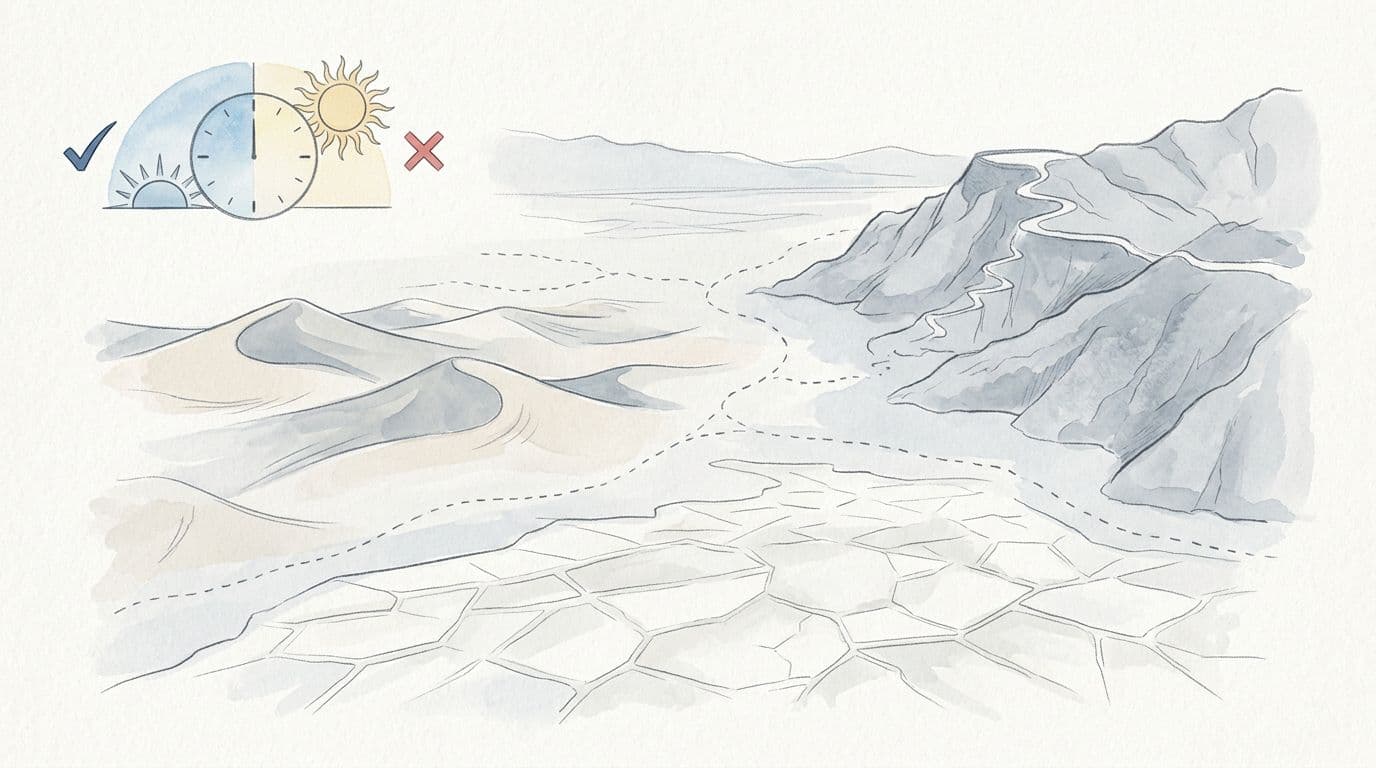
For first timers, I like late November through February as the sweet spot, because the average high temperature backs off to comfortable levels and long walks feel possible. March can still be great, but the sun starts to feel sharper, especially down low.
Timing matters more than mileage here. In winter, a calm morning can turn into a windy, drying afternoon fast. Also, once the sun drops behind ridges, the temperature can fall like someone flipped a switch.
Before you commit to any plan, I check two official pages and I do it again on the morning I drive in: the park’s current alerts and road status and the NPS Death Valley hiking guidance. Roads change after storms, especially to areas like Stovepipe Wells, and “open” can still mean slow, rough, or partially damaged. Stop at the Furnace Creek Visitor Center for real-time updates.
Here’s the simple timing template I use for winter days.
| Winter day plan | Start walking | Turn around | Aim to be back | Why it works |
|---|---|---|---|---|
| Short scenic walk (Badwater Basin salt flats to the lowest point in North America, Zabriskie Point, dunes) | 8 to 10 am | Flexible | Before 2 pm | Easy navigation on these short round trip walks, low commitment |
| Moderate hike (canyon routes from Stovepipe Wells, longer out-and-back round trips) | 7 to 9 am | Set a hard time | Before 3 pm | Protects daylight and energy |
| High-elevation attempt (only if prepared) | At first light | Earlier than you want | Mid-afternoon | Cold, wind, and ice risk |
My non-negotiable rule: if I haven’t reached the “best part” by my turnaround time, I turn around anyway.
Build a first-timer route that stays forgiving
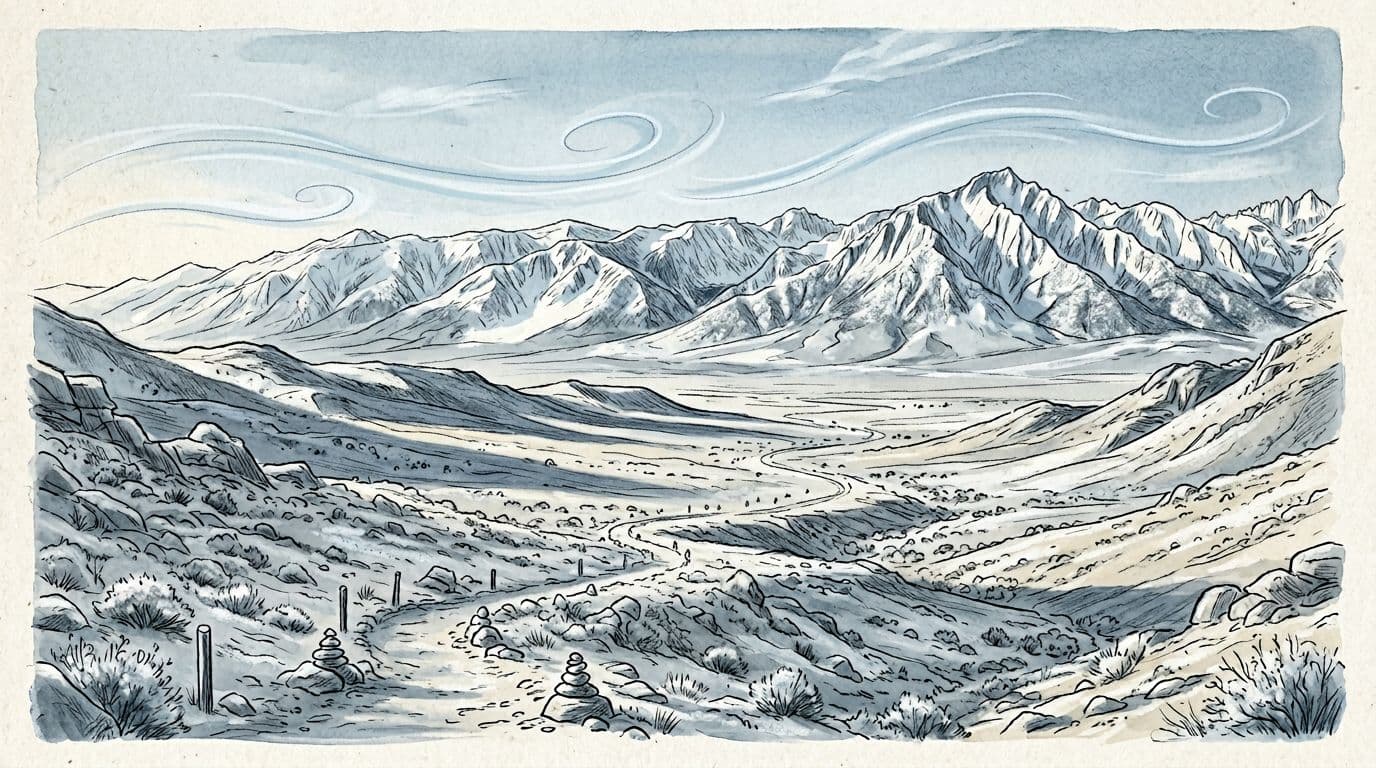
On your first Death Valley winter hiking trip, I’d rather you stack easy wins than chase a “big” hike that turns into a forced march. Death Valley rewards patience. The views aren’t hiding, and the scale is the star.
I plan my day in two layers: a main hike (simple, out-and-back round trip) plus one or two short stops that feel like dessert. Great beginner-friendly hiking trails include the Badwater Basin region (a first-timer staple below sea level), the Mesquite Flat Sand Dunes area for a playful round trip, Artist’s Palette for vibrant roadside color, Darwin Falls (trailhead requires a high clearance vehicle), Ubehebe Crater for a quick rim round trip, and primary viewpoints like Dante’s View (even if you only walk a little once you arrive). These spots let you adapt if the wind picks up or you’re moving slower than expected, while contrasting the forgiving below sea level areas of Badwater Basin with ambitious options like Telescope Peak and its significant elevation gain.
I also think in “bailouts.” If a hiking trail has confusing forks in a desert wash, loose gravel you can’t confidently descend, or long stretches where a wrong turn could strand you, I save it for later.
A few planning habits make a huge difference:
- I keep my first day hikes close to paved roads or well-traveled areas.
- I prefer round trip routes where the scenery starts early, so turning around still feels like success.
- I avoid narrow desert washes if rain is possible, because flash floods don’t need a blue-sky forecast to surprise you.
If you want more beginner trail philosophy that transfers well to desert parks, my guide to easy national park hikes for beginners helps you choose hikes with low stress logistics.
One more thing: I don’t treat “winter” as a blanket label. The valley floor can feel mild, while higher areas can be genuinely cold. Plan accordingly, especially if your driving route climbs.
Pack for cold shade, dry air, and the “wind tax”
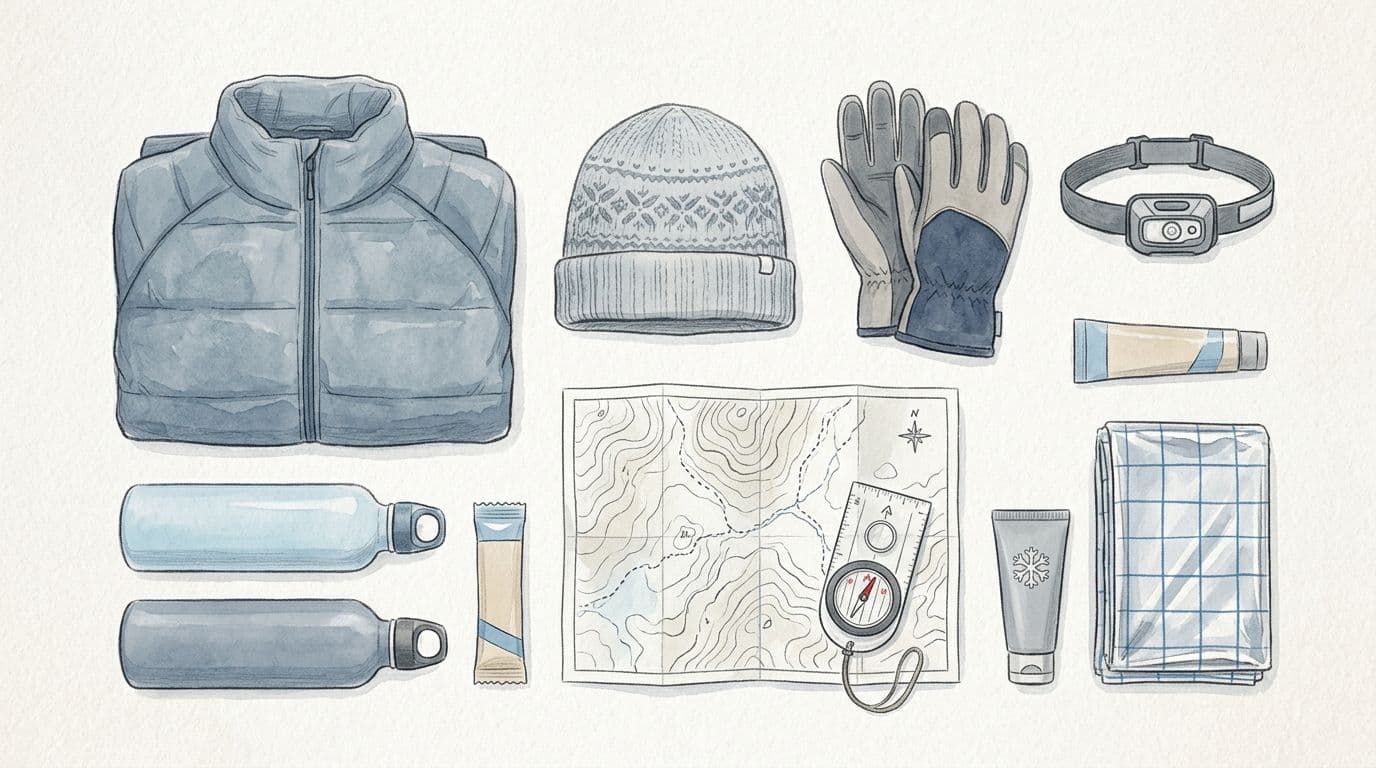
Winter in Death Valley is not about staying warm all day. It’s about staying comfortable across extremes, sweaty sun, chilly shade, and wind that steals heat without warning. I call it the wind tax, because it makes every mistake cost more.
My baseline winter kit looks boring, and that’s the point: light layers, sun protection, and enough drinking water to cover a wrong turn. I always carry a warm layer even if I start in a T-shirt. I also pack a headlamp, because winter daylight disappears early; if you stay past sunset to enjoy the night sky, you’ll need it.
Footwear matters more than beginners expect. A stable shoe or boot helps on loose gravel, rocky wash edges, and rock scrambling in rugged terrain. If you’re still dialing in your footwear, my roundup of the best hiking boots for men and women is where I’d start.
For drinking water, I bring more than feels reasonable for “cool weather,” because dry air quietly drains you. I also add electrolytes if I’m out for more than a casual stroll. Panamint Springs works as a nearby resource for supplies or a starting point for west-side exploration. For a solid prep mindset from guides who work in the region, this Death Valley hike preparation guide lines up with the same theme: simple plans, extra water, and respect for the place.
The desert doesn’t care that it’s winter. Your margin comes from preparation, not optimism.
Conclusion: make your first winter day boring on purpose
A great first Death Valley winter hiking day is predictable. Start early, pick forgiving terrain like the nearby Badwater Basin and Mesquite Flat Sand Dunes, and commit to a turnaround time. Check conditions before you roll, then hike like the park is bigger than your phone battery (because it is). Keep it simple the first day, and you’ll leave with confidence, not a rescue story.
Death Valley winter hiking FAQs (first timers)
Is winter the best time to hike in Death Valley?
Yes, it’s the safest season for most people on popular hiking trails like Zabriskie Point. Even then, you still need strong timing and extra water.
What time should I start hiking in winter?
I aim to start between 7 and 10 am from spots like Artist’s Palette, depending on the route. Earlier is better for longer hikes.
Do I need a headlamp for winter day hikes?
I bring one every time. Short days, slow hiking on cross-country routes, or a wrong turn can push you into dusk.
How much water should I carry?
More than you think, because the air is so dry. For anything beyond a short walk on hiking trails, I pack extra drinking water and don’t rely on “I’ll be fine,” even with services nearby at Stovepipe Wells.
Will it be cold in Death Valley in winter?
It can be, especially in shade, wind, and at higher elevations. Dress in layers and expect fast temperature swings.