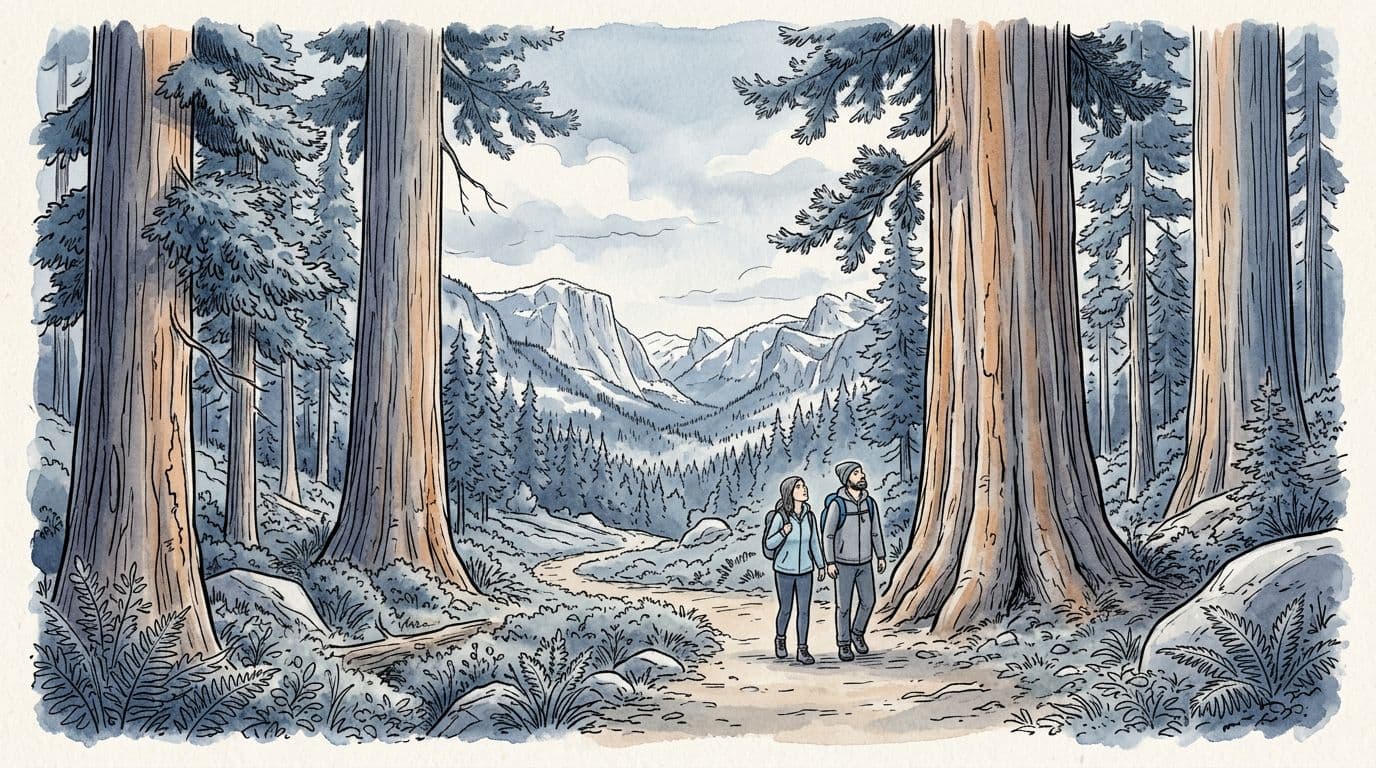
If it’s your first time in Sequoia, here’s the truth: you don’t need a big-mile day to feel the magic. The easiest wins are short, well-marked trails near Giant Forest and Crescent Meadow, where the giant sequoia trees do all the heavy lifting.
I plan first-timer days around Sequoia National Park hikes that are simple to follow, quick to park for, and still unforgettable. Think paved or smooth tread, clear signage, and enough payoff per minute that you’ll want to do “just one more.”
Key takeaways (read this, then go):
- Start in Giant Forest for the biggest “wow” with the least effort.
- Pick one tree walk and one view stop (that combo never misses).
- Expect altitude to make short hikes feel harder than the map suggests.
- Go early if you want parking and quiet.
- In March, plan for ice in the shade and cooler temps at higher elevations.
What I mean by “easy” in Sequoia (my quick test)
“Easy” in Sequoia is less about distance and more about friction. Some trails are short but feel tough because you’re climbing stairs with elevation gain at 6,000 to 7,000 feet among giant sequoia trees. Others are longer on paper but feel gentle because the grade stays mild.
When I’m recommending easy hiking trails for first timers, I look for four things:
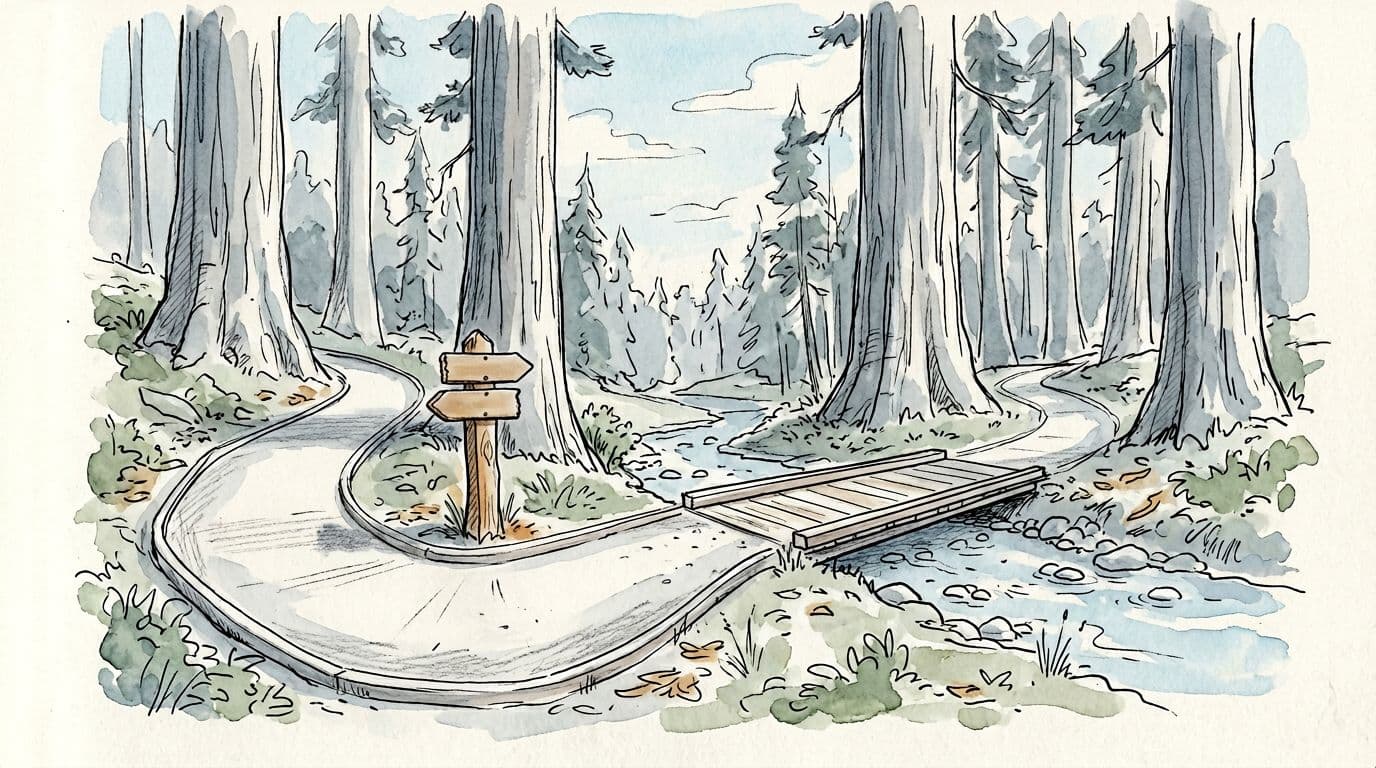
First, predictable footing. Paved paths, packed dirt, and minimal rock hopping are the goal. Second, simple navigation. If the trail has obvious junctions and steady traffic, you won’t spend your day second-guessing.
Third, parking and bathrooms. It’s not glamorous, but it’s the difference between a fun outing and a stressful one. Finally, I consider seasonal reality. In March, shaded sections can hold ice, and storms can change road conditions fast.
If you get winded fast, it’s not a fitness failure. It’s the elevation. Slow down, sip water, and shorten your loop.
If you want a quick way to compare options and recent conditions, I’ll sometimes scan the Sequoia easy trail list on AllTrails before I commit to a plan, especially outside summer.
Best easy hikes in Giant Forest (big trees, minimal effort)
If you only have half a day, I’d keep you right here. Start at the Giant Forest Museum; Giant Forest is the sweet spot for first-timers because you can stack short walks and still see world-famous trees.
General Sherman Tree Trail (short, iconic, and busy)
This is the classic “I can’t believe trees are real” stop, leading to the General Sherman Tree, the world’s largest tree by volume and the largest living thing on Earth. The walk is short, but it includes a noticeable downhill on the way in, which means you’ll climb back out. Take it slow and treat it like a scenic stroll, not a workout.
My tip: go early or late in the day. Midday crowds can turn this into a shuffle.
Congress Trail (my favorite easy upgrade)
If Sherman feels too quick, add the Congress Trail as the ideal next step. It’s a longer loop that keeps you in the thick of giant sequoias. I like the Congress Trail because it spreads people out, and it feels like you “got a hike” without needing a full day.
Keep in mind though, snow or ice can linger in shaded pockets in cooler months.
Big Trees Trail (easy loop with a mellow vibe)
This is the walk I recommend for almost everyone, especially if you want a mellow alternative like the Big Trees Trail. The loop is generally flat and friendly, and it’s great for easing into higher elevation.
It also works well as a “bonus” hike after Sherman, since it doesn’t demand much.
Moro Rock (short, steppy, huge payoff)
Moro Rock is basically a granite dome staircase to a stunning view of the Great Western Divide. It’s not long, but you’ll feel it in your lungs. Still, if you want one big panorama without committing to a long trail, Moro Rock is the move.
On windy or icy days, I skip it. Safety beats a photo.
Crescent Meadow is the gentlest “wow” in the park
Crescent Meadow is where Sequoia softens. Instead of towering trunks packed tight, you get an open meadow ringed by big trees, plus a quieter pace that feels almost like a secret. Suggest driving through Tunnel Log on the way to this area for a fun park classic, and note that the High Sierra Trail begins nearby to give a sense of the epic adventures starting from such a gentle spot. You might even spot black bears foraging in the meadow grass.
The Crescent Meadow Loop is usually my pick for a relaxed afternoon because the terrain stays friendly and the scenery changes without effort. In spring, the edges of the meadow start to wake up, and the light through the trees looks unreal.
I also like that you can make the day your own. Keep it short and easy, or extend a little if you’re feeling good. If you want a detailed first-timer breakdown of what to expect, I’d use this Crescent Meadow Loop visitor guide to preview the route and highlights.
One quick caution: meadows can be wet or muddy around the edges. Waterproof shoes aren’t required, but they can save your socks.
Simple planning tips that make first-timer hikes feel easy
Most “hard days” in Sequoia start with small mistakes: late arrivals after driving the General’s Highway from the town of Three Rivers, cold fingers, or underestimating how much the altitude slows you down. A little planning keeps your Sequoia National Park hikes fun.
In March 2026, I’d plan for four-season behavior. That means layers, traction if it’s icy, and extra time. Even if the forecast looks fine, shaded trail corners can stay slick.
Here’s what I keep simple:
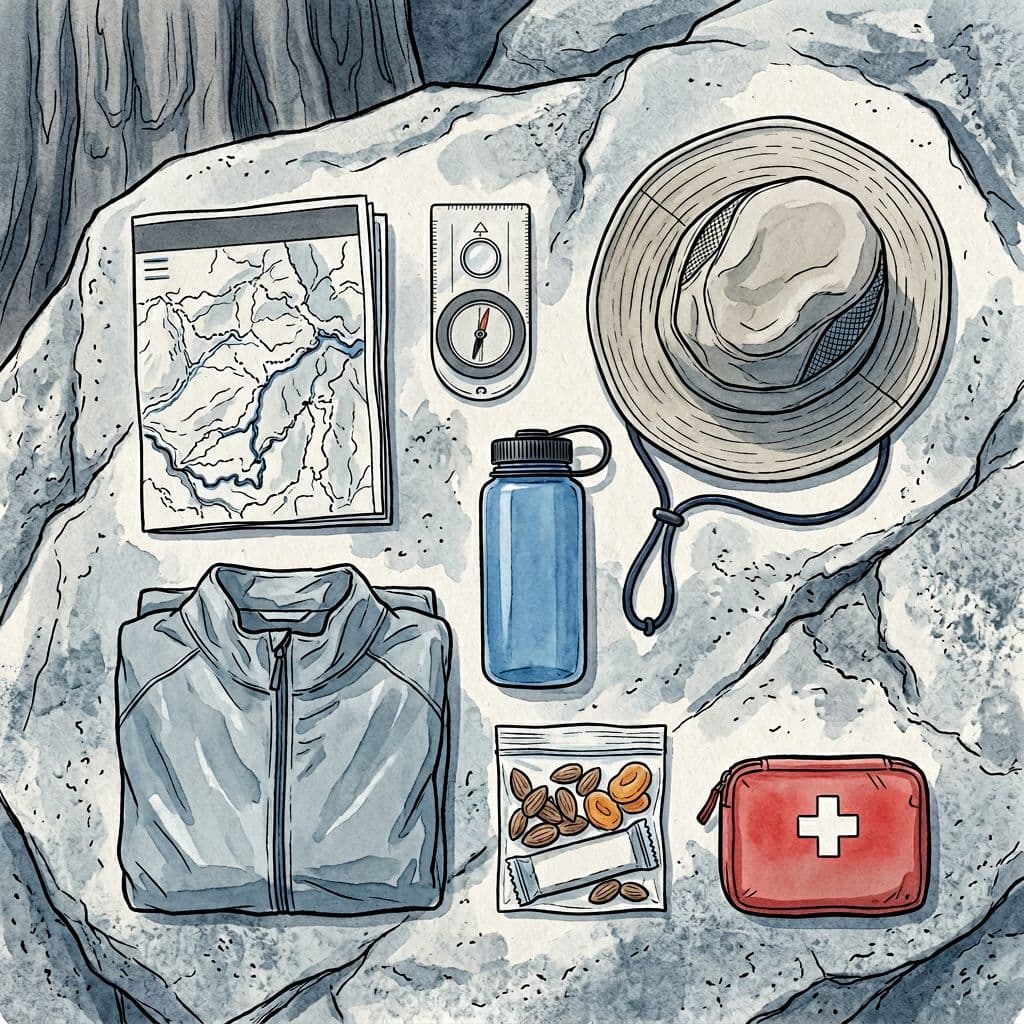
- Timing: I aim to park before late morning, with Lodgepole Campground serving as a nearby base for those planning a day hike. Crowds and parking get real fast.
- Clothing: light base layer, warm layer, and a shell. You can’t outsmart mountain weather.
- Food and water: bring more than you think you’ll need. Altitude dries you out.
- Flexibility: have a “Plan B” trail that’s flatter or more sheltered.
My best tip: build a short list, then pick based on conditions, not ego.
If you want more ideas to mix easy walks with bigger viewpoints on Sequoia National Park hikes, this roundup of Sequoia hikes by skill level is helpful for expanding your options without guessing.
Conclusion
Sequoia doesn’t ask you to suffer to earn the views. With the right easy trails, you’ll see legendary giant sequoia trees, big granite scenery, and calm meadows in one weekend. Start in Giant Forest, add Crescent Meadow if you can, and plan around weather and crowds. Do that, and your first trip will feel like a victory lap, not a survival story. These giant sequoia trees are just the beginning; for a complete experience, visit neighboring Kings Canyon National Park.
FAQs about Sequoia National Park easy hikes
Are these hikes good for complete beginners?
Yes, as long as you pace yourself and respect the elevation. I keep first-timers on the well-marked trails around Giant Forest and Crescent Meadow. These stand out from more advanced hiking trails like Alta Peak or Muir Grove.
Do I need hiking boots for easy Sequoia trails?
Usually, no. Comfortable shoes with grip work for paved and smooth paths. Still, in March, I like shoes with better traction because ice can linger in shade. This applies to spots like the Hazelwood Nature Trail for those seeking flatter paths.
Can I see the General Sherman Tree without “really hiking”?
Yes. The walk is short and on a developed path, but it isn’t perfectly flat. Expect a downhill going in and an uphill coming out. It’s one of the best ways to experience the General Sherman Tree up close with minimal effort.
Are dogs allowed on these trails?
Pets are typically restricted on most national park trails, including in Sequoia. I plan on leaving dogs at home or sticking to pet-allowed developed areas, then I double-check current rules before I go. Note that areas like Mineral King or Crystal Cave have their own pet policies.
What’s the best easy hike for views?
Moro Rock gives you huge views with minimal distance, but there are a lot of steps. If the wind is strong or the stairs are icy, I choose a tree loop instead.
Is there an easy hike to a waterfall in Sequoia?
Yes, Tokopah Falls is a great easy water-feature alternative. The trail follows the Marble Fork of the Kaweah River to a scenic cascade, perfect for beginners wanting a bit more adventure without steep climbs.