If I had to pick one beginner-friendly walk in Acadia National Park that still feels like a postcard, it’s the Jordan Pond Path. You get calm water, mountain views, and that famous boardwalk section, all without committing to a big summit day.
The Bubbles side trip is the cherry on top, as long as the rocks are dry and you’re ready for a short, steep climb. In winter (like February 2026), that “short and steep” part can turn into “slippery and sketchy” fast, so I plan accordingly.
Key takeaways (read this, then go):
- The Jordan Pond Path is a highlight of Acadia National Park: a mostly flat loop (about 3.3 miles) with mixed terrain and one iconic boardwalk stretch.
- Start early to beat crowds and to snag parking, especially in peak season.
- Add South Bubble for the best view over the pond, but expect steep rock and slower footing.
- In February 2026, expect snow and ice on the path, and traction is needed for South Bubble side trips; be extra cautious about any steep sections.
Jordan Pond Loop at a glance (route, parking, and winter access)
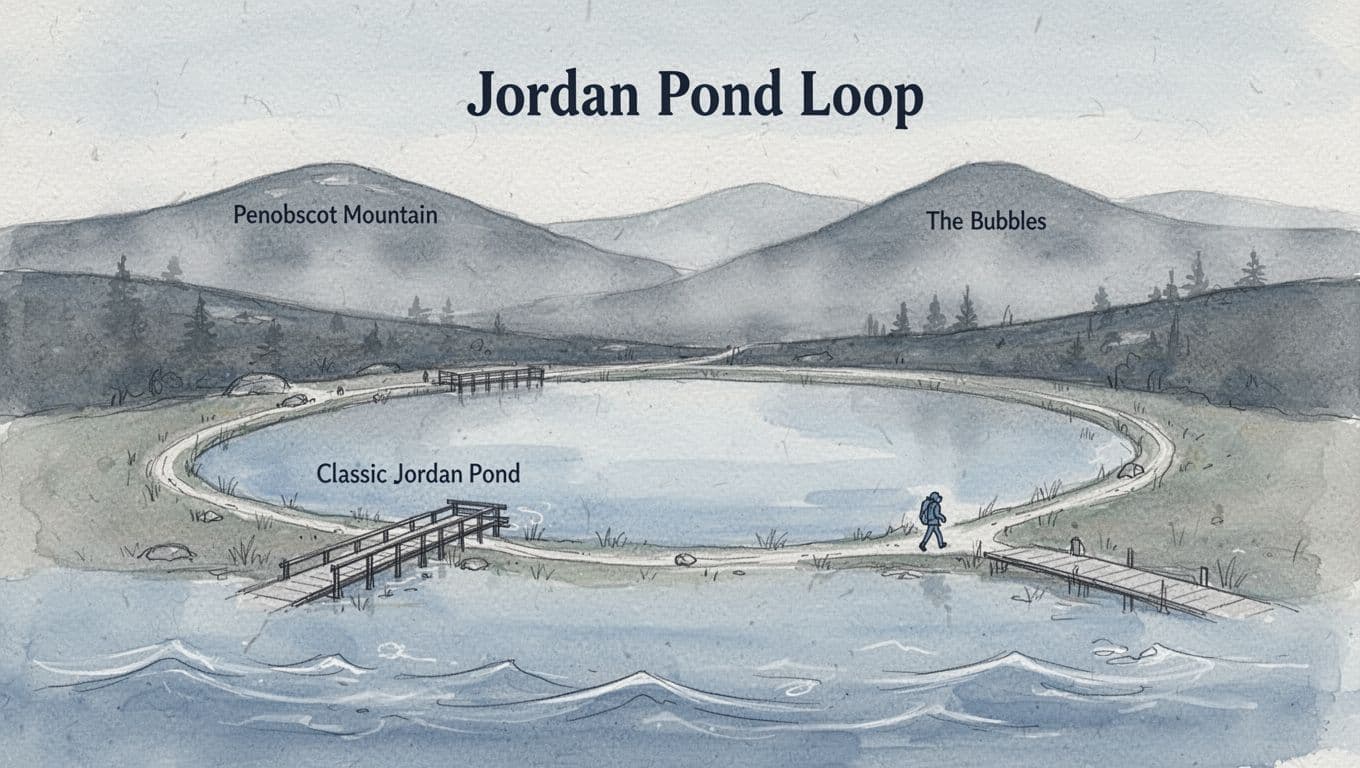
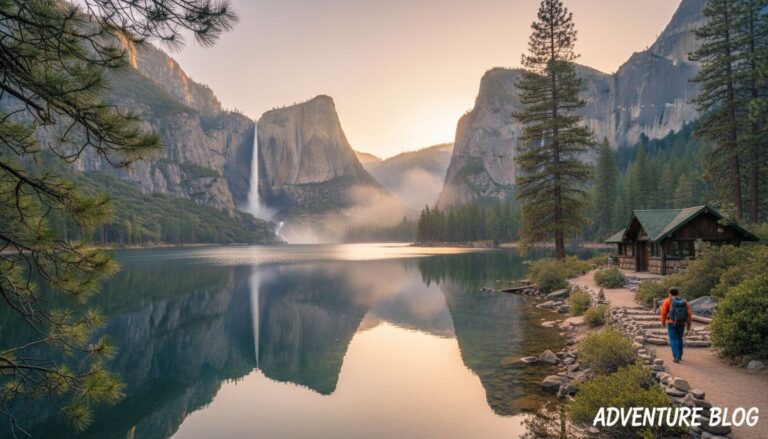
The Jordan Pond Path is a must-visit on Mount Desert Island near Bar Harbor. Jordan Pond sits right in the “easy to reach, hard to forget” category. The loop circles the shoreline with frequent views of Penobscot Mountain and the rounded silhouettes of the Bubbles.
Here’s the quick planning snapshot I use before I go:
| Detail | What to expect |
|---|---|
| Distance | About 3.3 miles (Jordan Pond Path loop) |
| Nearby attraction | Bubbles Trail |
| Typical time | 1.5 to 2.5 hours (more with photo stops) |
| Difficulty | Easy to moderate (mostly flat, some rock and roots) |
| Surface | Gravel path, rocky sections, and boardwalk |
| Dogs | Allowed on leash (6 feet max, as the pond is a public water supply) |
| Winter (February 2026) | Snow and ice likely, traction helps a lot |
Parking can be the biggest “make or break” factor. In summer and fall, the lots at trailhead parking near the Jordan Pond House fill fast, so I aim for early morning (the Jordan Pond House is the main hub for services). You can also take the Island Explorer bus. In winter, access changes: Park Loop Road is typically closed to cars from December 1 to mid-April (weather permitting), but the short Jordan Pond Road section from Route 3 to the south end of the pond is usually plowed for access (conditions can still change after storms).
For anything seasonal, I trust official sources first. I also like the National Park Planner write-up because it spells out trail grades and what the terrain feels like on foot, see the Bubbles Trail and Jordan Pond Path loop hike description.
What the Jordan Pond Loop is like on the ground (and the direction I prefer)
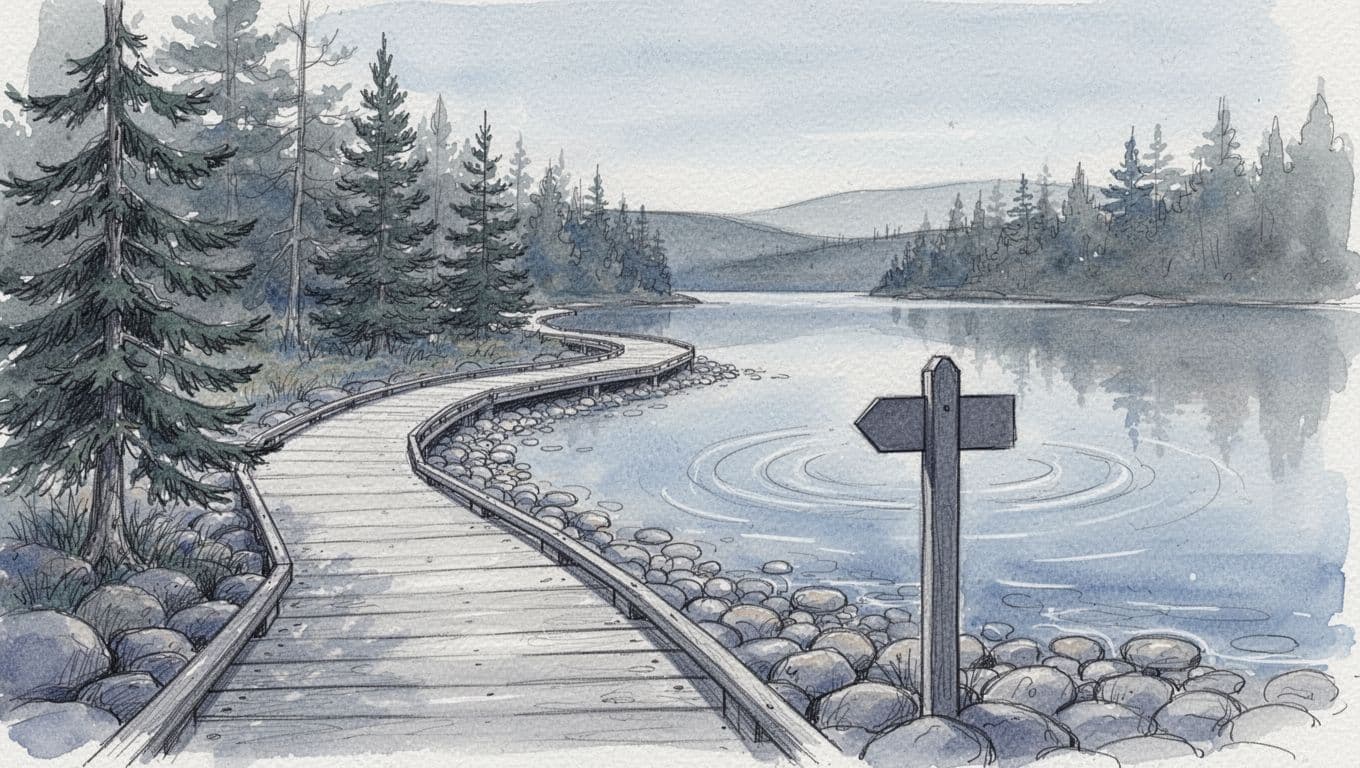
The Jordan Pond Path is simple to follow, but it doesn’t feel like a boring track loop. It has texture. One moment you’re cruising a smooth gravel path, and the next you’re navigating the plank boardwalk sections or stepping across rocks near the waterline like you’re hopping between little islands.
I usually hike it counterclockwise. Here’s why: I like getting the rockier footing done first, then finishing on the smoother sections when my legs are tired. Clockwise also works, especially if you want to hit the boardwalk earlier.
Expect three “personalities” around the pond:
First, the south end tends to feel the most approachable. It’s where many people start, so the path is obvious and the grades stay gentle.
Next, the west side has the famous boardwalk segments, plus a few narrow spots where you’ll slow down behind other hikers. It’s beautiful, but it can bottleneck on busy days, so patience matters.
Finally, the east side often feels quieter, with more rocks, roots, and boulders near the shore where rock scrambling may be required. This is where I take my time and watch my footing, especially after rain.
If it’s below freezing, treat the boardwalk and shoreline rocks like an ice rink. In February 2026, I’d bring traction and expect slick patches even on “easy” terrain.
One last practical note: bathrooms and services vary by season, and winter is its own world. I plan to be self-sufficient, even on a short loop. For those wanting a longer trek, the path connects to the Jordan Stream Path and the Carriage Road network within Acadia National Park.
The Bubbles side trip: how to add South Bubble (and when to skip it)
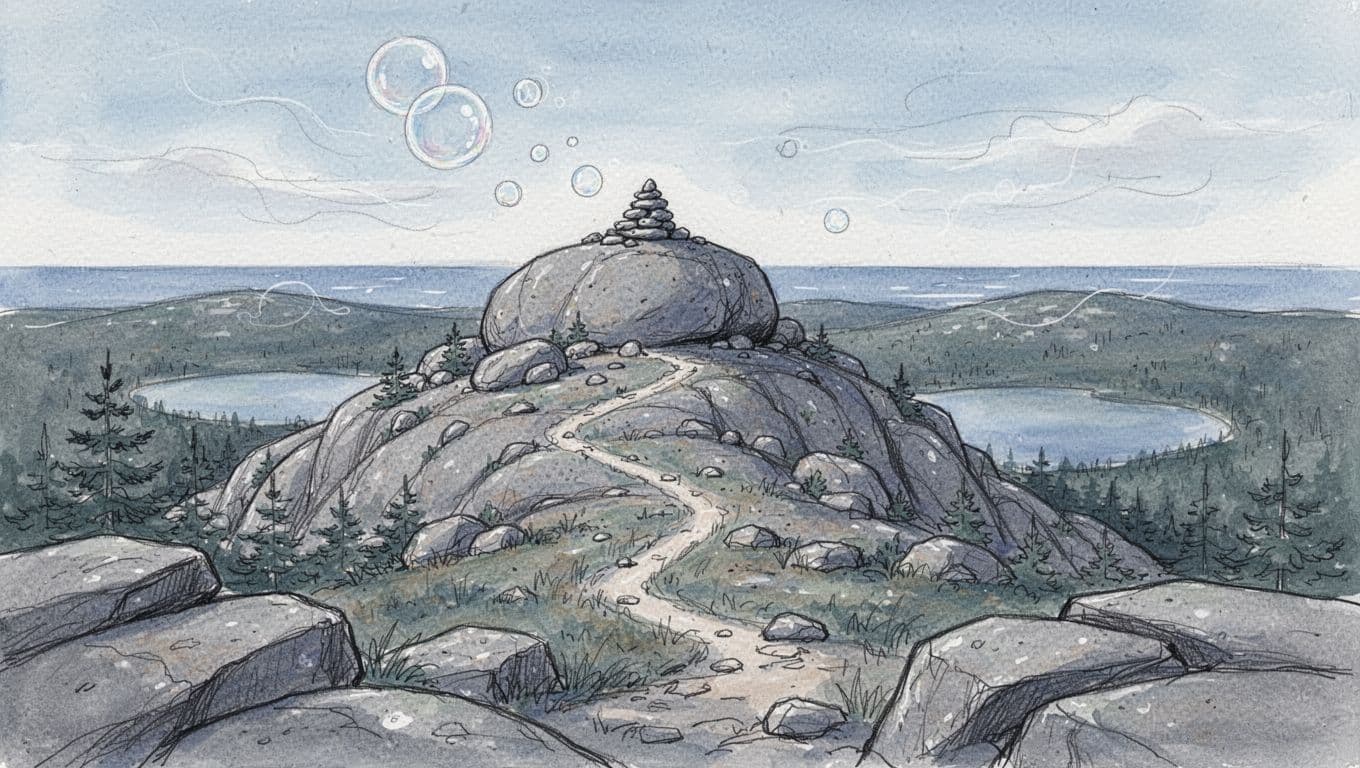
If the Jordan Pond Loop is the scenic “lake day,” the Bubbles side trip on the Bubbles Loop Trail within Acadia National Park is the quick “summit day sampler.” South Bubble and North Bubble are the two distinct peaks; South Bubble is the one I recommend for beginners who want a payoff view without an all-day commitment.
In normal three-season conditions, adding South Bubble often turns your day into something like 4.5 to 5 miles total, with roughly 500 feet of climbing depending on the exact connector you use, such as the Bubbles Divide Trail or Jordan Pond Carry. It’s not a marathon, but the steep grade and rock sections slow everyone down.
Here’s the trade-off in plain language: you’ll work harder for about 20 to 45 minutes, and you’ll earn one of Acadia’s best top-down views of Jordan Pond, plus glimpses of the famous glacial erratic known as Bubble Rock on the summit of the Bubbles Trail.
For route planning details straight from the source, I keep the NPS Hike Bubbles page bookmarked. It explains the trail surfaces (including exposed granite, steep bits, and iron rungs on the Jordan Cliffs Trail) and the basic junction logic.
Now the winter reality check (February 2026): the loop around Jordan Pond is generally open for winter use, but snow and ice are expected. The steeper side routes are where things can get risky fast, especially if you’re relying on sneaker tread. Also, Jordan Cliffs Trail has a seasonal closure related to peregrine falcon nesting that typically begins in early March and can extend into late summer, so don’t build a plan around Jordan Cliffs as your key connector.
When I’m unsure about current footing, I look at recent trail reports and timestamps. The Jordan Pond Path and South Bubble listing on AllTrails is useful for that, even if I still make the final call based on conditions at the trailhead. For longer adventures from here, consider extending toward Eagle Lake or Connor’s Nubble via the Deer Brook Trail.
What I pack when I’m combining the loop with a Bubble:
- Traction: Microspikes in winter, grippy trail runners in summer.
- Trekking poles: They help a ton on the descent.
- Layers: The summit can feel colder and windier than the pond.
- Food and water: The side trip adds time, and hungry hikers get clumsy.
Final thoughts before you go
The Jordan Pond Path is an essential experience in Acadia National Park, delivering big scenery with low stress along the Jordan Pond Loop. From the shoreline, you get great views of Cadillac Mountain. Add South Bubble when conditions are dry and you want a little challenge. In winter, I keep it simple and prioritize safe footing over peak-bagging. After your hike, stop by the Jordan Pond House for their famous popovers. That choice keeps the day fun, which is the whole point.
Jordan Pond Loop FAQs
How long is the Jordan Pond Loop?
It’s about 3.3 miles around the pond. Most beginners finish the Jordan Pond Path in 1.5 to 2.5 hours, depending on stops.
Is the Jordan Pond Loop hard for beginners?
Not usually. It’s mostly flat, but you’ll step over rocks and roots, and the boardwalk can be slick when wet or icy.
Which direction should I hike the loop?
I prefer counterclockwise so I handle the rougher footing earlier. If you want the boardwalk first, go clockwise.
Can I add the Bubbles as a side trip from Jordan Pond?
Yes, and South Bubble is a great add-on via the Bubbles Trail in good conditions. Highlights include Bubble Rock. Expect a steep, rocky climb and extra time, so don’t start late.
Is Jordan Pond Loop safe in February?
It can be, but winter in Acadia National Park turns small hazards into real ones. Bring traction, expect ice, and skip steep side trails if you can’t see clear, grippy rock.