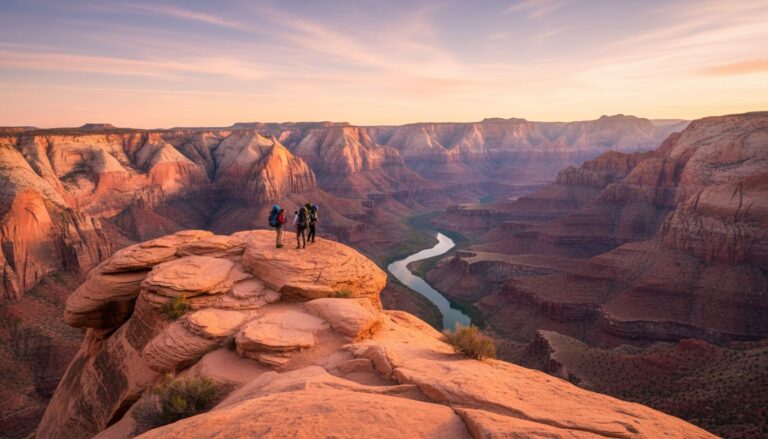
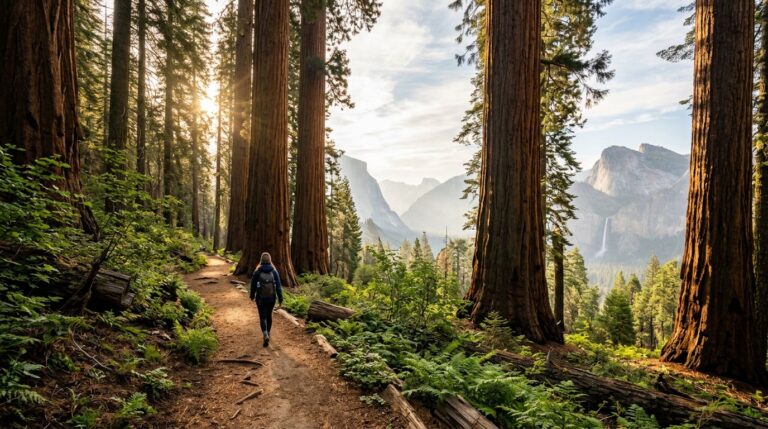
If you want my straight answer, zion winter camping in Southern Utah is absolutely worth it, as long as you pick the right campground and don’t pretend winter nights in the desert are “no big deal.” The payoff is real: quieter trails, easier parking, and that wild contrast of red rock cliffs and fresh snow in Zion National Park.
The part that trips beginners up is simple, though. Winter in Zion National Park doesn’t mean everything shuts down, but options shrink fast, especially if you want to camp inside the park. So in this guide, I’m sticking to what matters: what’s open, what’s closed, and how I’d build a low-stress plan around it.
Key takeaways
- Watchman Campground is the main in-park winter campground and it’s open year-round.
- South Campground is closed (rehab project), so don’t count on it.
- Lava Point Campground can be an option, but access depends on winter road conditions.
- In early March, Zion National Park often shifts back to shuttle service in Zion Canyon, so your daily logistics can change overnight.
What’s open for Zion winter camping (and what’s not)
For most winter trips to Zion National Park, I plan as if there’s one reliable choice inside the park: Watchman Campground. It’s near the South Entrance, close to the Visitor Center, and it stays open year-round. That matters when temperatures drop and roads get iffy.
Watchman Campground is also the most beginner-friendly option because it’s not remote, making it an ideal spot for RV camping with electric hookups and a dump station available. You’re close to Springdale for food and supplies, plus you can pivot easily if weather rolls in. Most sites include basics like a picnic table and fire ring, nestled against stunning sandstone walls, and you’ll have restrooms nearby. Water is typically available, but freezing temps can change what’s turned on, so I always confirm right before I arrive by checking the park’s official updates.
Here’s the quick comparison I use when I’m deciding where I can realistically camp in winter, keeping camping reservations in mind:
| Camping option | Winter status | Best for | What can ruin it |
|---|---|---|---|
| Watchman Campground (in park) | Open year-round | First-timers, easy logistics | Camping reservations fill, night temperatures |
| South Campground (in park) | Closed | N/A | It’s not available |
| Lava Point Campground (in park, primitive) | Sometimes open | Quiet, dark skies | Road closures, snow, isolation |
| Wilderness backpacking campsites | Available with permit | Experienced hikers | Cold exposure, route finding |
A few specifics to keep you from wasting time:
- South Campground is closed, so don’t plan your trip around it.
- Lava Point is the “maybe” option. Even if it’s technically open, winter access depends on the road. If winter weather like snow or ice hits higher elevations, I treat Lava Point like a backup plan, not a promise.
- Backcountry camping is available year-round with a permit, but it’s not the same as car camping. Winter nights feel longer out there.
Before I lock anything in, I skim the park’s official hours and seasonal operations because Zion sometimes adjusts services around weather and staffing: Zion operating hours and seasons.
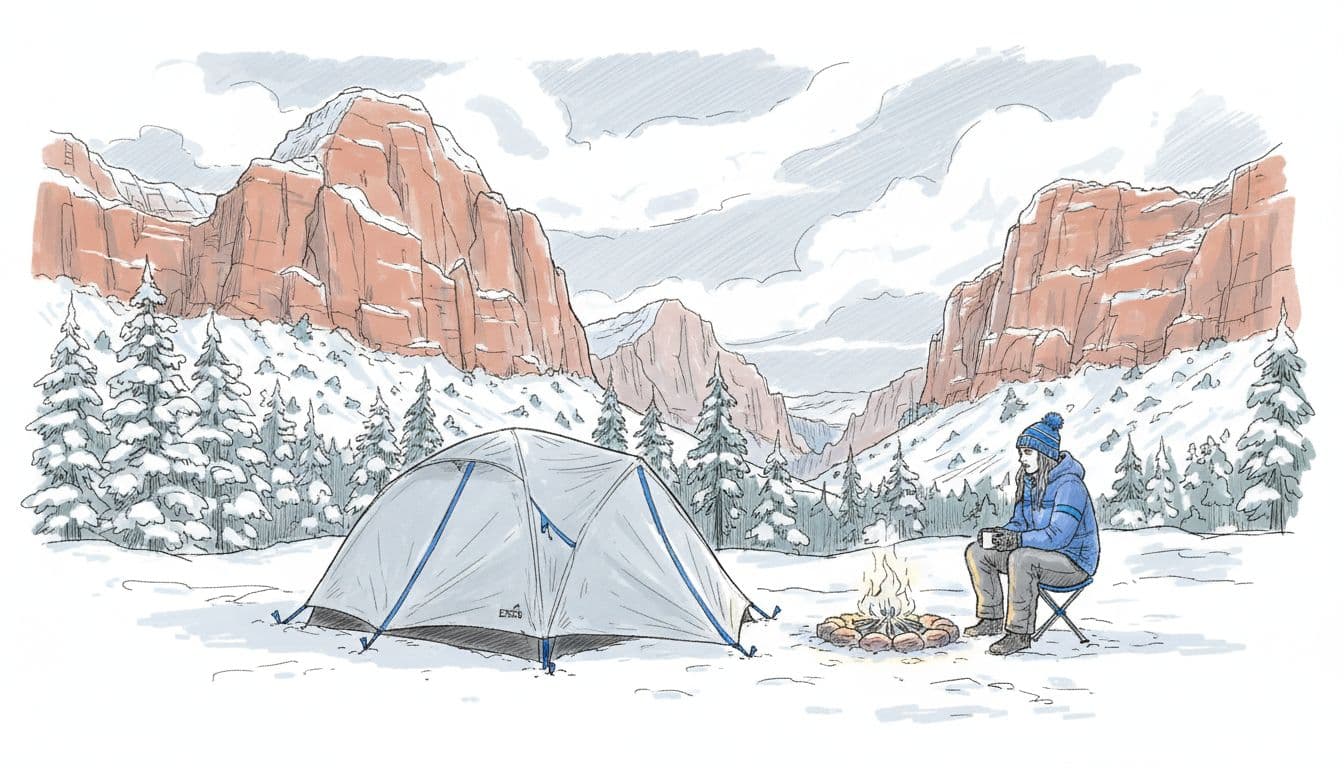
My winter rule: if my campground plan depends on “hopefully that road is fine,” it’s not Plan A.
Winter access and logistics: what changes once shuttle service starts and personal vehicle access ends
In winter, getting around Zion can feel wonderfully simple, until the park flips back to shuttle service season. That switch often happens in early March, and for 2026 the Zion National Park shuttle service is scheduled to resume March 7. Once shuttle service runs, personal vehicle access on Zion Canyon Scenic Drive is typically closed, which changes how you time hikes and trailheads.
So here’s how I think about it:
- If shuttle service aren’t running yet in Zion Canyon, I like to drive deeper into the canyon early, park once, then work my way back.
- If shuttle service are running in Zion Canyon, I plan my day around shuttle stops and I start earlier, because lines stack up mid-morning.
Road conditions can also limit your “winter camping” choices more than temperature does. Winter weather in the higher canyons can bring snow or ice, and storms can create short-notice closures. The fastest way to stay current is the official updates page: Zion National Park current conditions.
I also like grabbing the park’s seasonal PDF and keeping it saved offline, especially when cell service gets spotty: Zion winter information guide (PDF).
If you want a beginner-friendly way to stitch all of this into an actual day-by-day plan, my best “don’t overthink it” resource is my own guide to a beginner Zion itinerary for February and early spring. Even if you don’t follow it exactly, it helps you plan around the one thing that controls Zion National Park trips, canyon access.
Winter gear and hiking from camp, how I stay warm and still have fun
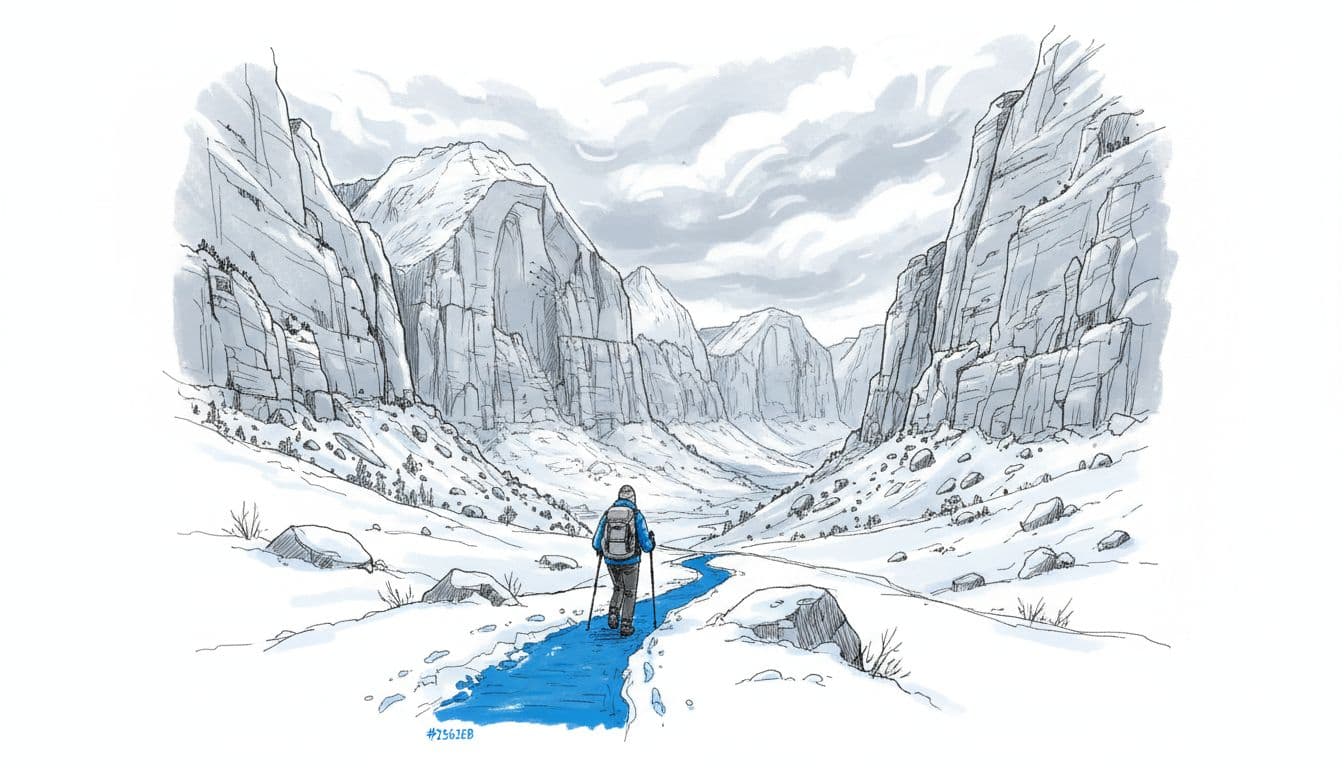
Winter camping in Zion is a lot like sleeping next to a giant stone refrigerator surrounded by snow-dusted cliffs. The sun feels great at midday, then the shade hits and the temperature drops fast. Because of that, I focus on layering up to handle the drastic drop in night temperatures, packing to stay warm at night, not just comfortable while hiking.
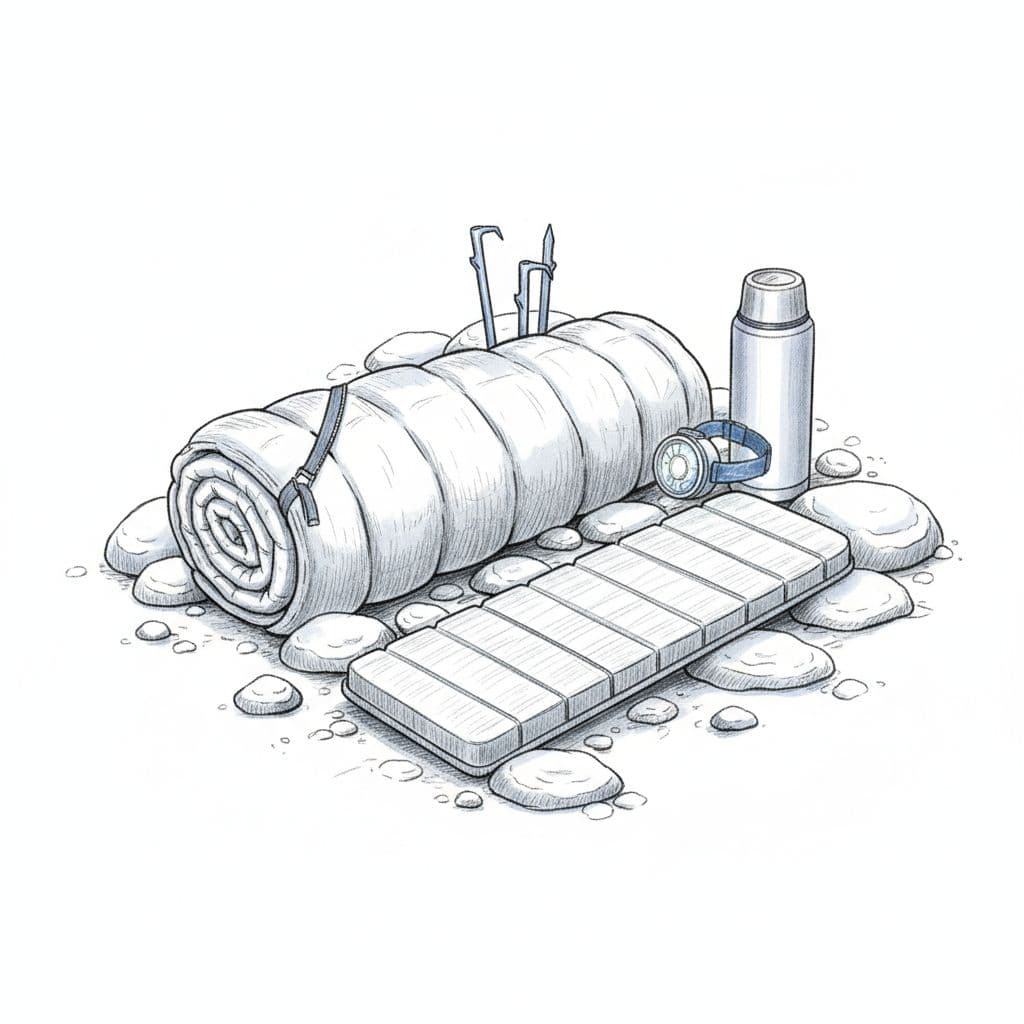
My non-negotiables are simple: an insulated sleeping pad, a warm sleeping bag, a real jacket (not just a puffy), gloves, and a headlamp with fresh batteries. I also bring a thermos, because hot drinks feel like cheating when your hands are cold.
On the hiking side, I keep it honest with beginners: winter is not the time to stack sketchy objectives back-to-back. Slickrock can be slick, shaded trails can hold ice (trails like Angels Landing and The Narrows require extra caution due to ice), and daylight disappears earlier than you expect.
Instead, I like “high-payoff, low-drama” winter hiking trails you can reach easily from Watchman or the visitor area, such as the Pa’rus Trail along the Virgin River, especially if your trip includes new hikers. If you want more ideas like that across parks, I keep a running list of easy national park hikes for beginners, and Zion has some of the best entries on it.
If you’re trying to choose between camping and lodging, here’s my opinion: camp if you’re excited about the experience, not because it’s “cheaper.” Cabin rentals in Zion National Park offer a cozy alternative for those not ready for the cold, but winter camping rewards preparation and punishes wishful thinking.
Conclusion
The simplest way to win at zion winter camping in Zion National Park is to plan around what’s actually open, not what you wish was open. I build most winter trips around Watchman Campground, I treat Lava Point as a bonus option, and I keep a close eye on conditions once early March brings shuttle service back to Zion Canyon. Pack for cold nights, start hikes early, and you’ll get a quieter Zion framed by towering red rock cliffs that feels almost unreal.
FAQs about Zion camping in winter (what’s open)
Is Watchman Campground open in winter?
Yes. Watchman Campground in Zion National Park is open year-round and it’s the most reliable in-park option for winter camping.
Is South Campground open in winter?
No. South Campground is closed for a rehabilitation project, so it’s not available for winter trips.
Can I camp at Lava Point in winter?
Sometimes. Lava Point is more remote, and winter road conditions can block access, so always check current conditions right before you go.
Do I need to ride the Zion shuttle in winter?
Sometimes you can use personal vehicle access in winter, but in early March Zion National Park typically transitions back to shuttle service only in Zion Canyon. Confirm on the official conditions page before you arrive.
Is backcountry camping allowed in winter?
Yes, wilderness camping is available year-round with a permit in Zion National Park. Still, winter exposure and shorter days make it more demanding.
What’s the biggest winter camping mistake in Zion?
Under-packing for night temperatures. Days can feel mild, but nights drop fast, especially in shade and wind.