Olympic National Park on the Olympic Peninsula in the Pacific Northwest is the rare place where I can watch waves slam into sea stacks in the morning, then walk under mossy “green tunnels” by lunch. The catch is simple: the park is huge, and the wrong plan turns your trip into a windshield tour.
My advice is to pick one side of the park as your “home zone” and build day hikes around it. With 2 days, you’ll get a greatest-hits sampler. With 3 days, you’ll feel like you actually visited. With 4 days, you’ll stop rushing and start noticing the small magic, like banana slugs, tidepool anemones, and that rainforest silence that sounds like a soft drizzle.
Key takeaways (read this, then scroll):
- Best all-around plan: 3 days, split time between mountains, rainforest, and beach.
- Most beginner-friendly hikes: Hoh Rainforest short trails showcasing old growth forest, Rialto Beach walk to iconic sea stacks, Hurricane Hill (when open).
- Don’t skip tides: tide pools and headlands can be unsafe at high tide.
- Winter note (February 2026 in Washington State): Hurricane Ridge access is limited and weather dependent, and Sol Duc Road is closed for the season.
- No timed entry in 2026: you still need an entrance pass, and wilderness permits only if you sleep out camping.
Quick planning tips that save hours (and headaches)
Olympic National Park rewards good logistics when traveling from Seattle. The park’s roads loop around the outside of the Olympic Peninsula, so cross-park shortcuts don’t really exist. I plan each day like a triangle: one main hike, one “bonus” stop, one sunset spot.
In late February 2026, the biggest trip-shapers are road access and snow. Hurricane Ridge Road from Port Angeles is typically limited to Friday through Sunday, 9 am to 4 pm, and it can close fast for storms. Lake Crescent remains accessible year-round, but Olympic National Park requires tire chains in winter for all vehicles heading up (even if your car is AWD). The road to Sol Duc Falls is closed for winter, and the Elwha Road is still closed to vehicles at the washout near Madison Falls (you can walk or bike past the closure). Before you commit, check the official conditions page, Washington State road alerts, and, if weather looks sketchy, call the recorded road hotline (360-565-3131). Bring your America the Beautiful Pass for entry.
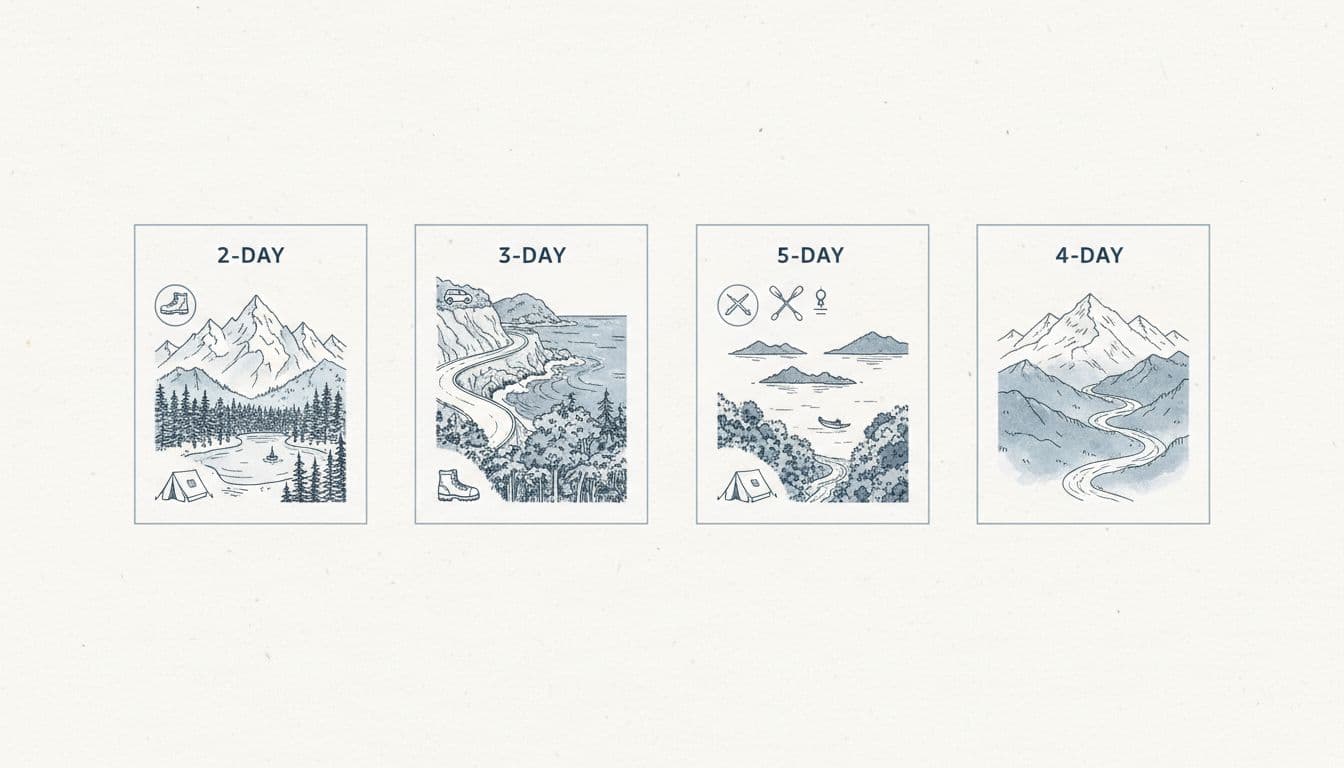
Here’s the fastest way to choose the right trip length. (If you want another perspective, I’ve also skimmed this flexible 2 to 4 day itinerary and it lines up with the same big constraints: driving time and terrain variety.)
| Days | Best for | What you’ll see | Where I’d sleep |
|---|---|---|---|
| 2 | First-timers with limited time | Rainforest + beach (plus mountains if lucky) | Port Angeles or Forks |
| 3 | The sweet spot | Mountains + rainforest + beach | 1 night Port Angeles, 2 nights Forks (or vice versa) |
| 4 | Relaxed pace | Add Ozette, Quinault, or Cape Flattery as a northern addition without rushing | Split Port Angeles, Forks, Quinault area |
One more thing: beaches here are wild, not “walk anywhere” beaches.
Tide reality check: if your plan includes Rialto’s Hole in the Wall or headland routes, I only commit when the tide is low enough to pass safely. Plan accordingly.
Gear stays simple for beginners. I bring a waterproof shell, warm mid-layer, a beanie, and dry socks in the car. Add traction (or snowshoes) if you’re gambling on Hurricane Ridge.
2-day Olympic National Park hiking itinerary (fast, but still worth it)
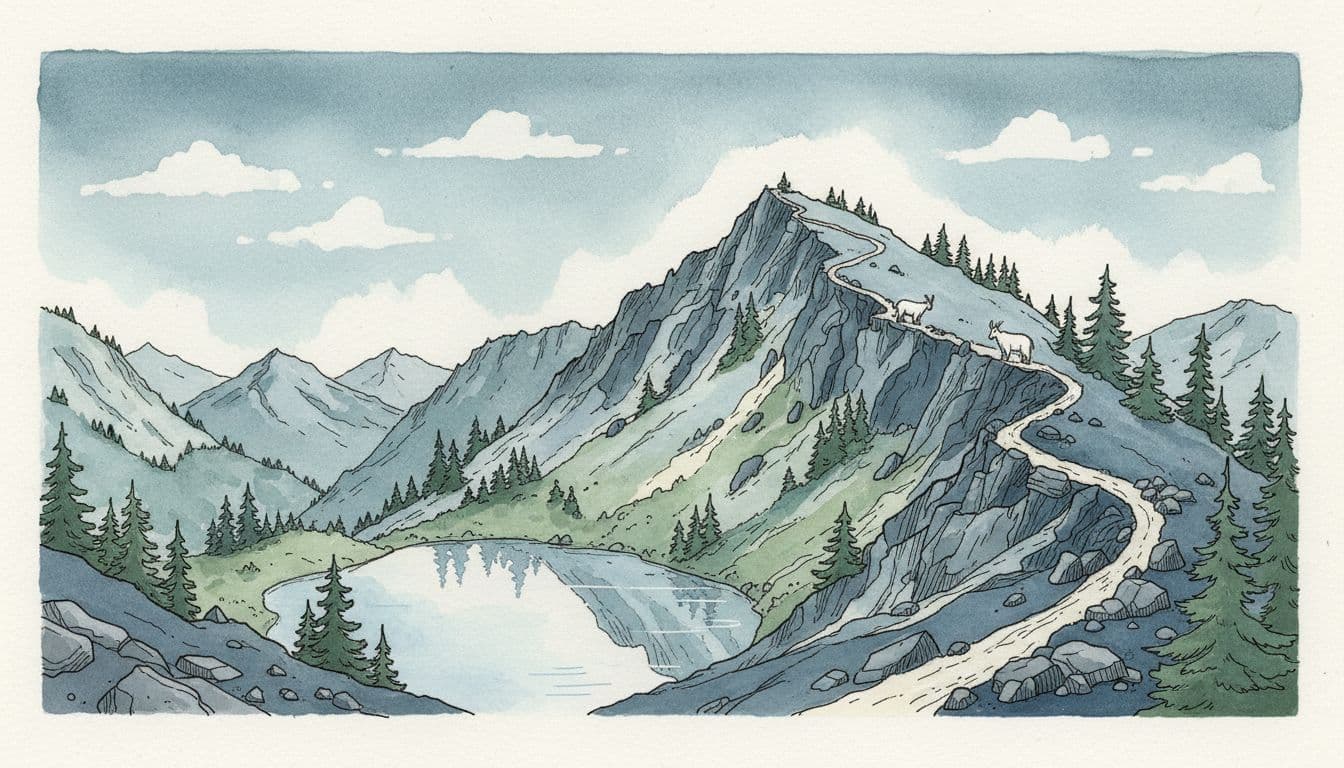
Visitors arriving from Seattle usually start their Olympic National Park journey in Port Angeles. With only two days, I focus on one mountain zone and one west-side zone. That keeps the driving from eating your whole trip.
Day 1 (Mountains and a lake stop): Start in Port Angeles if you can. If Hurricane Ridge is open, I head up early and do Hurricane Hill (great payoff, clear trail, easy to turn around). If the road is closed, I swap to lowland options near Lake Crescent, like Marymere Falls (or Mount Storm King for those with more energy). Finish with a quick shoreline wander and dinner back in town.
Day 2 (Rainforest and a beach): Drive west early for the Hoh Rainforest. For beginners, the short trails (Hall of Mosses and Spruce Nature Trail) feel like walking through a storybook, and my friend Andy’s Hoh Rain Forest photos show exactly why. Then I aim for Rialto Beach for a long, flat walk. If tides line up, push toward Hole in the Wall, otherwise just enjoy the sea stacks and driftwood.
If you want a second opinion on pacing, this 2-day Olympic itinerary plan is a good reference for how quickly distances add up.
3-day Olympic National Park itinerary (my default recommendation for beginners)
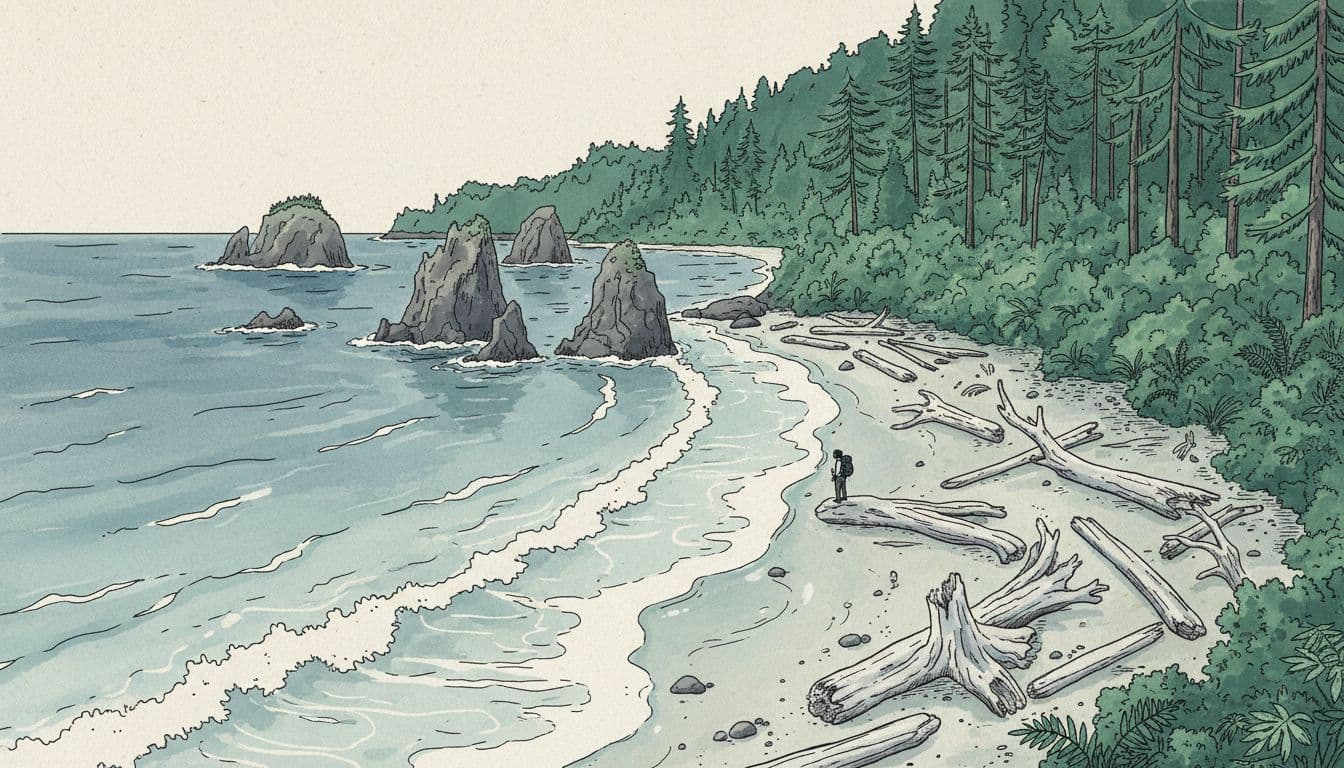
Three days is where Olympic National Park starts to click, because you can stack variety without sprinting.
Day 1 (Port Angeles base): Try for Hurricane Ridge (if it’s open) and follow it with an easy lake-area hike like Mount Storm King or Marymere Falls. I like ending with sunset near Lake Crescent because it feels calm after a ridge day.
Day 2 (Rainforest day): Spend the morning in Hoh Rainforest. Then drive to Ruby Beach for an easier beach stop with the abundance of sea stacks along the coast and short walking options. This is also a smart day to grab groceries in Forks for tomorrow.
Day 3 (Pick your adventure): If you want a “different” beach, go to Second Beach near Forks or Kalaloch Beach to see the Tree of Life with better tide timing. If you want a quieter, woodsy hike, choose Cape Flattery or a river-valley walk where you can go out-and-back as far as you like (beginner-friendly because you control the effort).
For map-style planning ideas, I’ve used tips from this 3-day Olympic itinerary with maps to sanity-check drive times.
4-day itinerary (the relaxed version that feels like a real escape)
A four-day stay in Olympic National Park lets you add a whole new ecosystem, including more old growth forest exploration, without stealing time from the classics.
Day 1: Port Angeles, then Hurricane Ridge if conditions allow. If not, stick to Lake Crescent area hikes and viewpoints. (While Sol Duc Falls is closed in winter, it is a highlight for summer visitors.)
Day 2: Hoh Rainforest in the morning, then Ruby Beach or another nearby coast stop. Keep the afternoon flexible because west-side weather changes fast.
Day 3: Consider Cape Flattery or Second Beach first, then do the Ozette Triangle (Cape Alava to Sand Point loop) if you’re ready for a longer, mostly flat day. The boardwalk sections are famous for a reason, and the beach stretch feels remote. Check conditions, because storms can drop trees across the route.
Day 4: Drive south to the Quinault Rainforest at the south end of the Olympic Peninsula for a Lake Quinault finish. Lake walks and short rainforest trails are perfect “last day” hiking, since you’re usually a little tired. In February 2026, expect rougher road patches and possible partial closures on the north shore route, so I plan my day around what’s actually open.
If you want extra stop ideas to fill gaps (without overloading your days), this Olympic itinerary roundup has useful side-trip suggestions. From there, it’s a straightforward drive back to Seattle.
Conclusion
A good Olympic National Park Hiking Itinerary for 2 to 4 Days isn’t about doing everything, it’s about doing the right things in the right order. I’d rather hike one trail in the Hoh Rainforest slowly than rush three and remember none of them. Start with a realistic base in Olympic National Park, respect winter road limits, and treat tides like a real safety factor. Then go enjoy the kind of quiet you can’t download.
For trails beyond Olympic, see the best hikes in Washington for Mount Rainier, North Cascades, and other state picks.
FAQs
Do I need reservations or timed entry for Olympic National Park in 2026?
No timed-entry system is required as of February 2026. You do need a National Parks Pass, and you’ll need permits only for overnight backcountry trips.
Is Olympic National Park good for beginner hikers?
Yes. I recommend starting with Hoh Rainforest’s short loops like Hall of Mosses, easy beach walks like Ruby Beach, and Hurricane Ridge when the road is open.
What’s the best place to stay for this itinerary?
For 2 to 3 days, I like splitting nights between Port Angeles (for the north side) and Forks (for rainforest and beaches). For 4 days, add a night near Lake Quinault in the Quinault Rainforest.
Can I visit Hurricane Ridge in winter?
Sometimes. In February 2026, access is limited and weather dependent, and you must carry chains. Have a Lake Crescent backup plan ready, especially if basing from Seattle.
What hikes require paying attention to tide charts?
Any route that squeezes around headlands or targets tide pools (like Hole in the Wall or Second Beach). Beach camping often requires Wilderness permits. If the tide isn’t right, I switch to a different beach or hike.
Is Cape Flattery a must-see?
Yes. Cape Flattery delivers stunning sea stacks, dramatic cliffs, and the northwesternmost point in the contiguous U.S., perfect for a short detour from the itinerary.