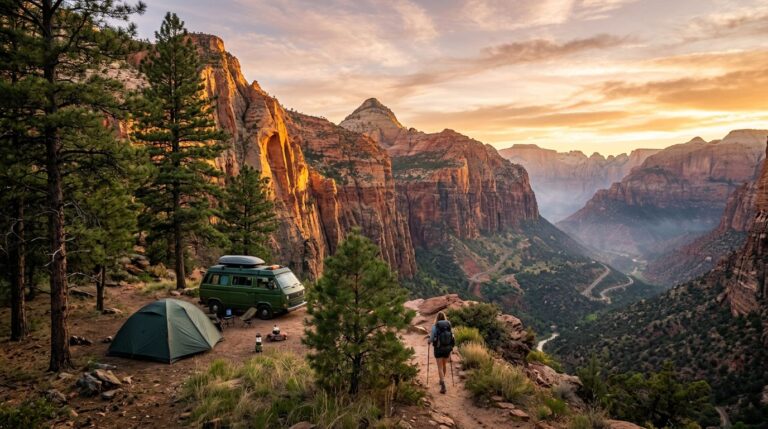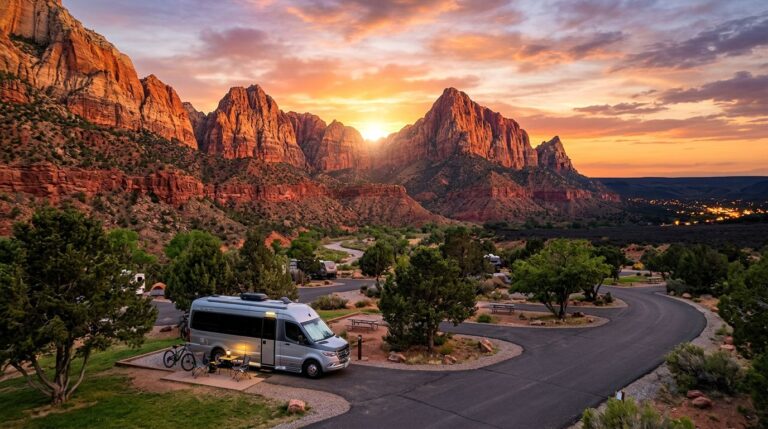
If you’ve only got one day in Capitol Reef National Park, a standout among Utah’s Mighty 5 near the gateway town of Torrey, I’d build your plan around Fruita. Not because it’s the only pretty spot, but because it’s the easiest place to stack wins fast: a classic red rock hike, orchard scenery, and the best food stop in the park.
My capitol reef itinerary goal is simple, see the park’s “big feel” without sprinting trail to trail in Capitol Reef National Park. That means hiking early (before parking turns into a headache), driving the paved Scenic Drive when the light looks good, then circling back for pie when you’ve earned it.
Key takeaways (so you can plan in 60 seconds):
- Start early. In March, popular trailhead lots can fill by around 10 a.m.
- Do a Fruita-area hike first, then reward yourself at Gifford Homestead.
- Stick to the paved Scenic Drive in Capitol Reef National Park if weather has been wet, some dirt roads get messy fast.
- Save your “bigger” hike for afternoon only if you’re still feeling strong.
How I Plan a One-Day Capitol Reef National Park Itinerary (Timing, Crowds, and March Reality)
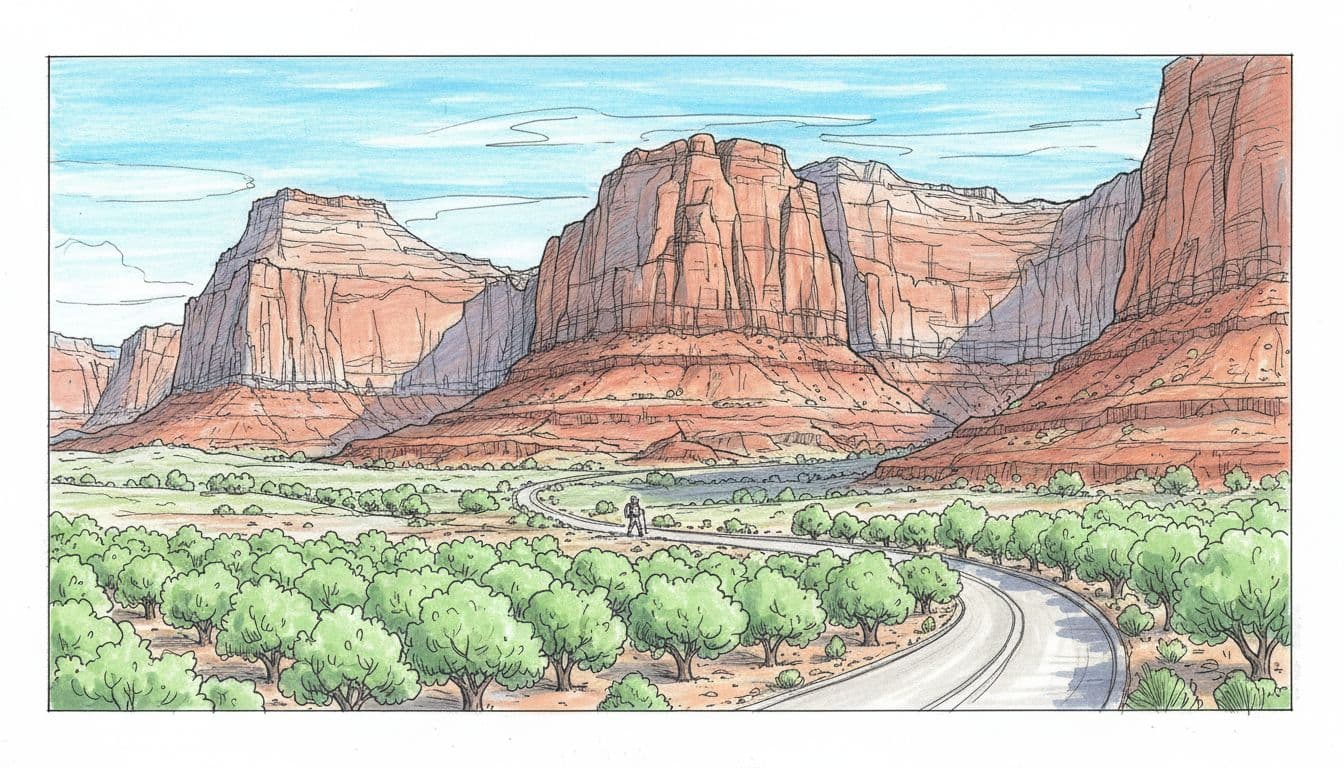
Capitol Reef National Park, whose heart is the Waterpocket Fold (a massive geologic wrinkle spanning 100 miles), rewards early risers. Even in cooler months, the main pullouts and trailheads can crowd up quickly, so I treat the first two hours like my “quiet window.” March is a sweet spot for hiking because temps often hover in the mid-50s, cool enough to move without frying.
Keep in mind though, Capitol Reef National Park has a lot of unpaved roads off Highway 24, the main access road. After rain or late winter storms, some routes turn into tire-sucking mud. When I’m unsure, I default to the 7.9-mile Scenic Drive because it’s paved and usually the most reliable. For same-day conditions, I always ask at the Visitor Center first (it’s typically open 8 a.m. to 4:30 p.m.). Most visitors stay in Torrey before heading into Capitol Reef National Park for their day trip.
Here’s the basic flow I use. It’s flexible, but the order matters.
| Time window | What I do | Why it works |
|---|---|---|
| 8:00 to 8:30 | Visitor Center, quick orientation | Updates on roads, weather, and trail notes |
| 8:45 to 10:15 | Fruita hike | Best temps, easiest parking |
| 10:30 to 11:15 | Pie stop and orchard wander | Built-in break before the drive |
| 11:30 to 2:00 | Scenic Drive plus a canyon walk | Big views with low effort between stops |
| 2:30 to sunset | Optional longer hike or overlooks | Choose based on energy and light |
If you want a couple other pacing ideas, I like comparing my plan to Earth Trekkers’ one-day options because it shows how the day changes if you hike more or drive more.
If rain is in the forecast, don’t gamble on narrow washes. Flash flood warnings aren’t background noise here.
Morning: Fruita hikes first, then Gifford pie in Capitol Reef National Park (my favorite one-two punch)
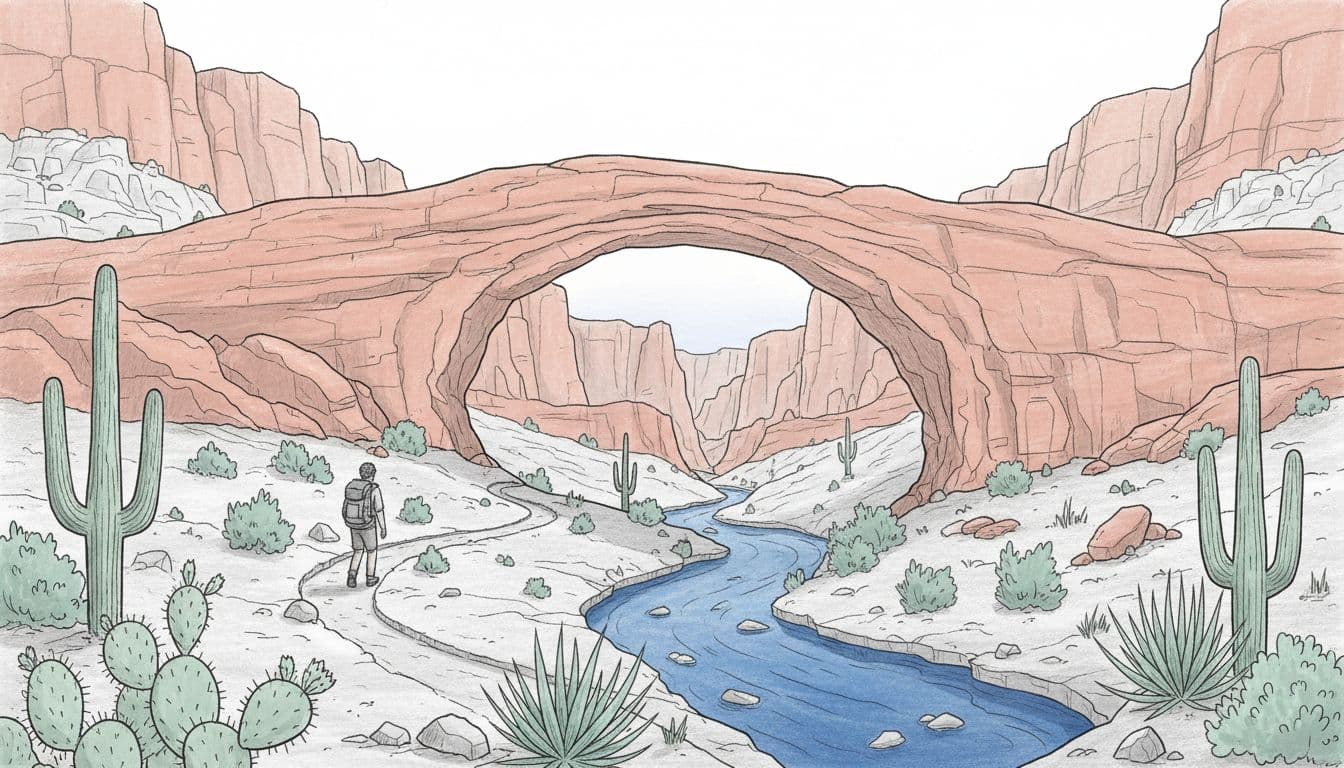
For a beginner-friendly morning, I like starting with a Fruita-area arch hike in Capitol Reef National Park (Hickman Bridge is the classic). It feels like the park introduces itself fast: red cliffs, a real trail, and a big natural feature at the end. Most people finish Hickman Bridge in about 1 to 2 hours depending on photo stops. Navajo Knobs and Rim Overlook share the same trailhead for those wanting more challenge. If Hickman Bridge is too crowded, Grand Wash makes a great alternative easy walk nearby.
A few practical things make this smoother:
- I bring more water than I think I’ll need. The park’s own guidance is about one gallon per person per day if you’re out all day.
- I pack a light layer. March mornings can feel sharp, then warm up fast.
- I wear shoes with decent tread. Sandy sections can make you slip when you least expect it.
On the way, make a quick stop to see the Petroglyphs along Highway 24 before heading to Fruita.
After the hike, I head straight to Fruita’s most iconic snack break.

Gifford Homestead is the kind of stop that turns a good day into a story you’ll retell, and Fruita is the historic heart of Capitol Reef National Park. I like getting pie earlier rather than later, because popular flavors can sell out. Grab your slice, take it to a picnic table, then look around. The orchards against the cliffs feel almost unreal, like someone planted a farm inside a painting.
If you want a second perspective on how to mix hikes, viewpoints, and pie without overplanning, this hikes and pies breakdown lines up closely with how I structure a first visit.
Afternoon: Scenic Drive, a canyon walk, and a sunset finish that doesn’t feel rushed
By late morning, I switch to the Scenic Drive and pick stops based on light and time. The drive gives you that classic Capitol Reef scale without asking your legs for much, as it offers stunning views of the Waterpocket Fold. I also like it because you can “edit” your day on the fly. If you’re tired, you still get a memorable loop. If you’re energized, you can add a longer trail.
A simple midday plan looks like this:
- Drive the main Scenic Drive at a relaxed pace.
- Add one canyon walk (Capitol Gorge is a popular choice when conditions are dry, leading to the historic Pioneer Register).
- Return toward Fruita and choose either a bigger hike or easy overlooks like Sunset Point, Goosenecks Overlook, or Panorama Point for sunset.
Parking can still be the limiter. Since lots can fill by mid-morning, I keep my expectations realistic and stay patient. In practice, it’s better to do one canyon walk you enjoy than to spend half your afternoon hunting for a space.
If you’re still feeling strong around 2:30 or 3:00, that’s when I consider a longer hike like Cassidy Arch. The Cassidy Arch trail begins near Grand Wash and requires more effort, but the view from atop Cassidy Arch feels like standing on the edge of Capitol Reef National Park’s geology lesson. On the other hand, if you’re traveling with brand-new hikers (or just want a calmer day), I’d lean into overlooks and short walks instead.
For extra background on what makes Capitol Reef unique, I like this write-up that covers the Waterpocket Fold and one-day highlights. And if you want a family-paced version of the day with similar priorities, this family-friendly one-day plan is a good cross-check.
Final thoughts
A one-day Capitol Reef itinerary in Capitol Reef National Park can feel complete if you commit to a simple rhythm: hike first, pie in the middle, then drive and sunset. Capitol Reef isn’t about checking boxes, it’s about stacking a few high-quality moments that fit your energy and daylight. If you try this plan, I’d love to know, did Fruita, the centerpiece of the trip, steal the show for you too? After a long day, the restaurants in Torrey are the perfect place to relax.
Capitol Reef one-day itinerary FAQs
Is one day enough for Capitol Reef?
Yes, as long as you accept trade-offs. In one day at Capitol Reef National Park, along the dramatic Waterpocket Fold, I can hike one main trail, enjoy Fruita, drive the Scenic Drive, and add a canyon walk. What I can’t do is explore remote dirt roads or long backcountry routes without rushing.
What’s the best order for hikes and pie in Fruita?
I hike first, then eat pie. Morning temps are better, and parking is easier. Pie also tastes better when you’ve earned it, and it gives you a built-in midday break before the drive.
What if it rains in March?
I stick to paved roads and avoid narrow washes. Unpaved routes can turn impassable fast, and flash floods are a real risk in canyon areas. Backcountry roads like the Cathedral Valley Loop or Burr Trail require more time and often a high clearance vehicle. When conditions look questionable, I ask the visitor center for the latest road report and choose safer, higher ground.
Do I need a reservation to enter Capitol Reef?
Not for typical day entry. You’ll pay the standard national park entrance fee (or use a park pass). The bigger “planning” issue is timing, because popular areas can feel busy even without a reservation system.
Do slot canyons require technical gear?
No, Capitol Gorge and Grand Wash offer accessible slot canyon experiences without needing any technical gear.
Is Chimney Rock a great sunset hike?
Yes, Chimney Rock makes for an excellent sunset hike with rewarding views after a moderate climb.
Can I see remote icons like Temple of the Sun in one day?
Remote icons like Temple of the Sun, Temple of the Moon, and the Bentonite Hills are part of the Cathedral Valley Loop and usually require a second day for a proper visit.