My short answer is that the best hikes in California depend on the season as much as the trail. The desert is brutal in a summer heat spike, and the high Sierra stays buried in snow well into spring. California is too big for one perfect list, so I use a simpler filter: big payoff, clear trail identity, and effort that feels worth it.
If you are sorting through the best hikes in California, these are the trails I would point you to first. Some are easy wins, some are bucket-list days, and all of them earn their spot.
Key takeaways:
- The Sierra Nevada is the best all-around region, because Yosemite and Sequoia pack granite, waterfalls, and giant trees into one trip.
- For an easy first win, the Congress Trail in Sequoia or Torrey Pines on the coast are hard to beat.
- Half Dome is the classic hard day, if you have the permit, the fitness, and a very early start.
- Wapama Falls in Hetch Hetchy is the quiet alternative when Yosemite Valley feels too crowded.
- Joshua Tree is the smart winter move, as long as you start early and carry extra water.
The best Sierra Nevada hikes for a first California trip
When people ask where to start, I usually say Yosemite or Sequoia. That is the easiest answer, because the Sierra Nevada gives you granite, waterfalls, giant trees, and huge views in one trip. I grew up in California’s Central Valley with Yosemite practically in the backyard, so this is the range I know best.
In Yosemite, the Mist Trail to Vernal and Nevada Falls is my favorite moderate pick. It feels dramatic fast, so you are not waiting hours for the payoff. You can turn around at the top of Vernal Fall for a shorter, steeper outing of roughly 2.5 miles round trip, or push on to Nevada Fall for a full day closer to 7 miles. The granite steps get slick in the spray and the crowds are heavy, but the reward-to-effort ratio is excellent. If you want a park-only shortlist, my guide to the best Yosemite day hikes will save you time, and the Yosemite map breakdown shows where each area sits.
For experienced hikers, Half Dome is still the headline act. It is long, steep, and permit-controlled through a spring lottery and a daily lottery while the cables are up, so I never frame it as casual. Still, the final view feels like standing on the edge of a stone ship. Clouds Rest is my backup when I want big Yosemite scenery without the cables, since it sits higher than Half Dome and needs no permit to summit. If you are building a longer trip, the two-day Yosemite itinerary spaces these out sensibly.
Then there is Sequoia National Park. The Congress Trail is one of the best beginner-friendly hikes in the state, mostly because the giant trees do all the work. It is a paved loop of under three miles that starts at the General Sherman Tree, the wow factor starts early, and even short mileage feels memorable. If you want a softer first trip, these easy hikes in Sequoia National Park are the ones I would pick, and the Sequoia and Kings Canyon itinerary pairs the trees with Kings Canyon.
I also like Wapama Falls in Hetch Hetchy. It gets less attention than Yosemite Valley, which is exactly why it is worth the drive. You still get cliffs, water, and classic Sierra scale on an easy five-mile round trip, just with fewer people. The footbridges below the falls can run with water in spring, so check current trail status before you go. For turquoise alpine water deeper in the High Sierra, Big Pine Lakes is the bigger commitment but pays off.
Coastal California hikes that feel completely different
One reason I love hiking here is the variety. In one state you can go from alpine granite to ocean wind in a day, moving from forested paths and cliffside ridges to sandy beach walks along the rugged coast.
Big Sur is the obvious coastal star. The Ewoldsen Trail packs redwoods, ridgelines, and ocean views into a loop of around five to six miles without turning into an all-day grind. Access here changes often, though: parts of the Ewoldsen loop and the nearby McWay Falls overlook have been closed for fire, flood, and repair work, and Highway 1 can shut after slides or storms. Check California State Parks and Caltrans before you commit to the drive.
Farther north, the James Irvine Trail to Fern Canyon in Prairie Creek Redwoods State Park is a classic for good reason. The walls drip green, the redwoods tower overhead, and the whole hike feels a bit unreal. One planning note: from May 15 to September 15, you need a day-use reservation to reach the Fern Canyon trailhead and Gold Bluffs Beach. If the redwoods pull you in, the Redwood National Park itinerary maps out a single great day.
For wildlife and open coastal walking, I point people to Tomales Point in Point Reyes. Spring is the sweet spot, when the hills turn green and the tule elk are active along the roughly ten-mile round trip. For Bay Area timing ideas, I like this month-by-month Bay Area hiking calendar, because season matters more here than people think.
Then there is the Lost Coast Trail. I would not put this bucket-list backpacking trip on a beginner’s first weekend, but it belongs on any serious California shortlist. It is remote, tide-dependent, and far less forgiving than a normal day hike, and overnight trips in the King Range need a permit year-round. That difficulty is also what makes it special. If you are curious about the logistics, this Lost Coast Trail guide lays out the permit and tide planning well.
Southern California trails with the biggest payoff for the effort
Southern California gets dismissed too often by people who only think of traffic. That is a mistake. Some of the best hikes in California are down here, especially when the Sierra is snowed in.
In Joshua Tree National Park, Ryan Mountain is the high-payoff climb to beat. At about three miles round trip with roughly 1,000 feet of gain, it is short enough for strong beginners, but the summit views feel enormous. On a clear day the park looks like a scattered pile of boulders and old trees under a huge sky. Barker Dam is the easier pick. The Joshua Tree map guide shows where to start on a first visit.

Photo by Petra Nesti
Torrey Pines is the coastal favorite for beginners. The trails are short, scenic, and almost unfairly pretty, with cliffs, ocean, and easy route-finding. It is the kind of place that makes new hikers fall for the sport fast. For more challenge, head into the San Gabriel Mountains above Los Angeles, where the Sturtevant Falls Trail out of Chantry Flat is a great moderate waterfall hike. If you want a shorter Los Angeles classic, the Runyon Canyon hike is an easy city favorite.
How I pick the right California hike without wasting a day
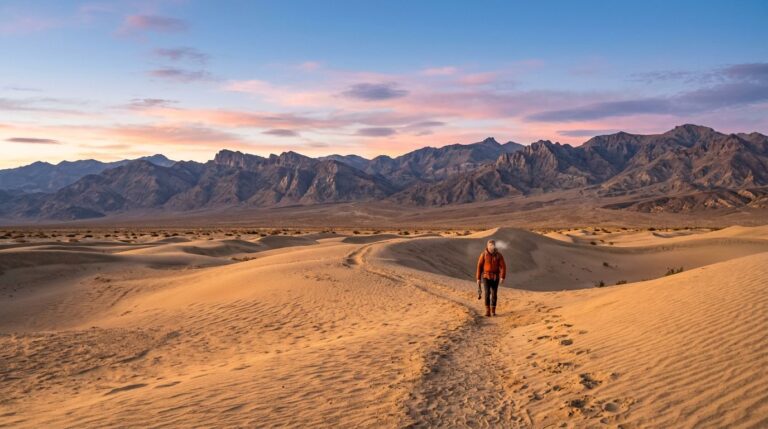
My rule is simple: pick the season first, then the trail. In spring I chase waterfalls in Yosemite and Hetch Hetchy. In summer I lean toward the coast, the redwoods, and higher Sierra routes. Fall works almost everywhere. Winter is when the desert shines, which is why Death Valley earns its spot in the cooler months.
I also match the trail to the kind of day I want. For a safe first win, I go Sequoia or Torrey Pines. For a bucket-list sufferfest, I look at Half Dome or the Lost Coast. For fewer crowds, I choose Hetch Hetchy over Yosemite Valley. And if you want a quieter park entirely, Pinnacles and Lassen Volcanic rarely feel crowded.
Permits and access can change the plan fast, so I check them before anything else. Half Dome and Mt. Whitney both run permit lotteries, Fern Canyon needs a summer reservation, the Lost Coast needs a wilderness permit, and even park entry rules can shift in busy months. When I want to tighten up a Yosemite day, I use my Yosemite day hike planner to keep the route realistic.
The best trail is usually the one that fits the weather, your energy, and your start time, not the one with the flashiest name.
California hiking is like a greatest-hits album with no filler. You can walk beside waterfalls one week, stand under giant sequoias the next, and finish on an ocean bluff or a desert summit. My advice stays the same: start earlier than you think, match the trail to the season, and let variety do the rest.
FAQs about the best hikes in California
What is the best hike in California for beginners?
I usually say the Congress Trail in Sequoia or Torrey Pines on the coast. Both are scenic, easy to follow, and short enough to enjoy without a big fitness demand. Note that dogs are not allowed on the Torrey Pines reserve trails, so plan around that if you are hiking with a pet.
What is the best hard hike in California?
For a single hard day, Half Dome or Mt. Whitney is tough to beat. Both need planning, a permit through a lottery, and real effort, but the payoff is unforgettable.
When is the best time to hike in California?
Spring and fall are the easiest all-around answers. The coast works well in summer, and deserts like Death Valley National Park are best in the cooler months.
Do I need permits for California hikes?
Sometimes. Half Dome and Mt. Whitney run permit lotteries, Fern Canyon needs a summer day-use reservation, and backpacking routes like the Lost Coast require a wilderness permit. I always check park rules before I drive. For one of California’s most overlooked national parks, see the Channel Islands one-day itinerary.