With one day at Great Sand Dunes National Park in southern Colorado, the simplest plan wins. Climb the dunes early, rest before the heat builds, and save Medano Creek for later in the day. That order works because the sand gets brutally hot by afternoon, the wind often picks up, and tired legs do not climb loose sand well.
This Great Sand Dunes itinerary is built for a beginner hiker on a single visit. It cuts the guesswork, keeps the best scenery up front, and leaves room for the park’s most playful stop when water is flowing.
Before you go
Two things shape this trip more than anything else: when Medano Creek is running, and how hot the sand gets. Sort both out before you drive.
- Medano Creek is seasonal. In an average year, peak flow lands in late May and early June, fed by snowmelt from the Sangre de Cristo Mountains. By July the creek usually dries up at the main Dunes Parking Area. If wading and the famous “surge flow” waves are the experience you want, plan the trip for that short late-May-to-early-June window and check the official Medano Creek conditions page before you go, since low-snowpack years can leave the creek dry even in spring.
- The sand gets dangerously hot. On summer afternoons the dune surface can reach 150 degrees Fahrenheit, hot enough to burn bare feet. The National Park Service recommends hiking the dunes in early morning or evening to avoid heat exhaustion and burned feet, and notes that afternoon thunderstorms with lightning are a real risk in summer.
- Wear closed-toe shoes on the sand. High-top shoes or boots with long pants keep sand out and protect your feet. Skip the sandals for the climb.
- Entrance costs 25 dollars per private vehicle, valid for 7 days. If you plan to visit several national parks within a year, the America the Beautiful annual pass covers entrance for a full year.
Start early and make the dunes your main event
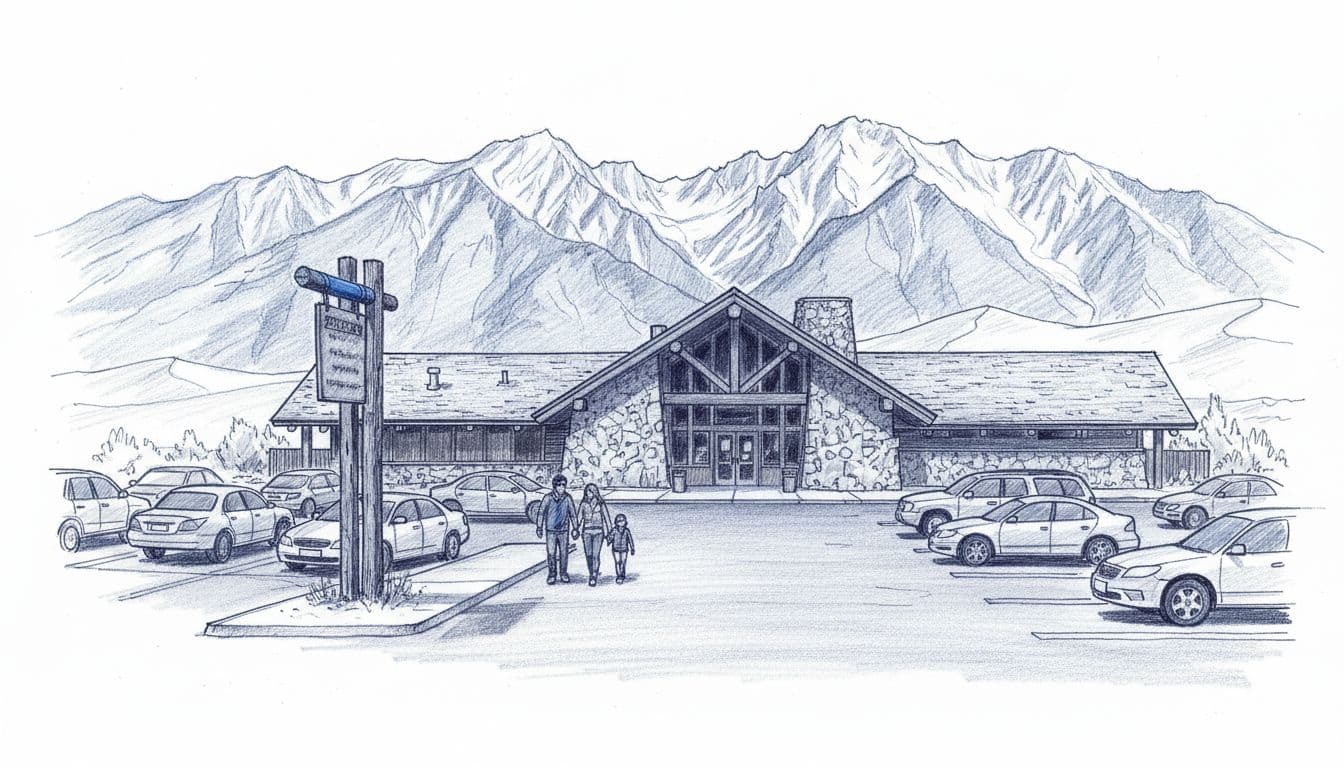
Begin at the Visitor Center for a quick reset, a restroom stop, and a last-minute conditions check. To rent sandboards or sleds, stop before you enter the park, since the park itself does not rent gear. The Oasis store near the park entrance rents boards spring through early fall, and shops in Alamosa, about 36 miles away, rent them year-round. Then head straight to the Dunes Parking Area and get moving before the sand temperature climbs.
For most first-timers, the right target is the High Dune on First Ridge, not the biggest climb in the park. It is the most common destination in the dunefield and rises about 688 feet from base to top, with a sweeping view of the entire dune sea. Plan on roughly 2.5 miles round trip and about 2 hours of hiking, though it can take up to 4 hours if you are not used to the elevation. There are no marked trails in the sand: you cross about a half-mile of the Medano Creek bed, then zigzag up the ridgelines.
The two tallest dunes are a different commitment. Hidden Dune is the tallest in North America at 741 feet, and Star Dune, the pyramid-shaped giant to the south, is the second tallest at 736 feet. Both run about 6 to 7 miles round trip over roughly 6 hours with no trail, so they suit experienced hikers with a full day, not a quick one-day visit. Walking on dunes feels like climbing a stair machine made of loose flour. You gain ground, then slide part of it back, so a fun, reachable goal beats a heroic one.
One rule keeps the day pleasant: get your hardest walking done before lunch.
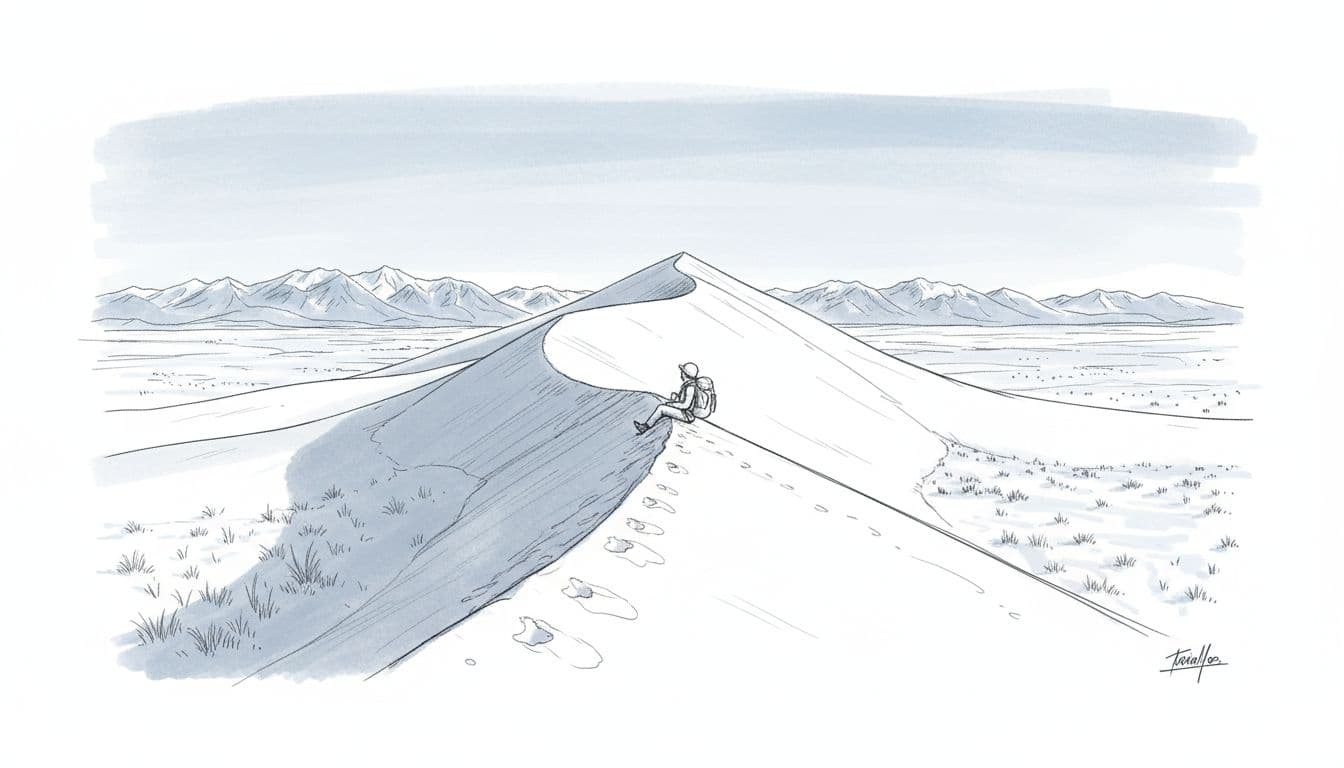
Once you reach a ridge, slow down and take in the view. You get the dunes, the valley, and the Sangre de Cristo Mountains in one sweep, and that contrast is what makes this park special. For a bigger Colorado trip, the guide to Rocky Mountain National Park day hikes uses the same early-start, weather-first planning approach.
Fit Medano Creek into the warmest part of the day
When Medano Creek is flowing, it is the easiest win in the park. The hard climbing is behind you, and you get a shallow, beach-like break right at the base of the dunes. Kids love it, and tired hikers do too. The water comes out of the mountains cold but warms as it spreads across the sand, and in good years the surge-flow waves are big enough for children to float short distances on flat inflatable toys.
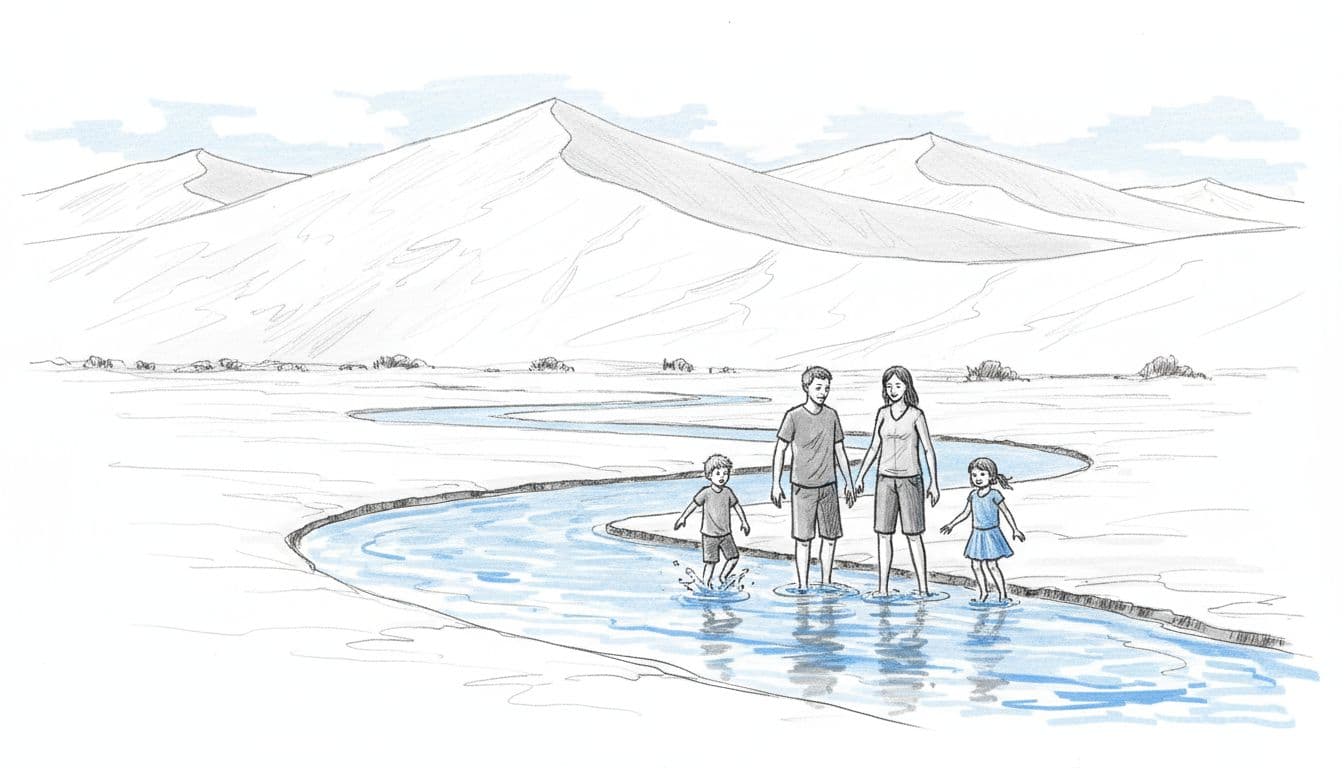
If the creek is running, use late morning or early afternoon for wading, relaxing, and eating lunch at the dune base. Bring sandals or water shoes for the creek, since barefoot walking on mixed sand and shallow water gets old fast. If the creek is dry or low, head into sandboarding and sand sledding on the first high ridge instead, or take the short Zapata Falls hike on nearby Bureau of Land Management land south of the park. Alamosa is the closest town for dinner or supplies on the way out.
A simple one-day schedule, plus what to pack
Here is a version that actually works.
| Time | What to do |
|---|---|
| 7:30 to 8:00 a.m. | Visitor Center, restrooms, water, quick conditions check |
| 8:00 to 10:30 a.m. | Hike the dunes, aim for the High Dune on First Ridge |
| 10:30 to 11:30 a.m. | Rest, snack, photos, change shoes if needed |
| 11:30 a.m. to 1:30 p.m. | Medano Creek if flowing, or a picnic break at the dune base |
| After 1:30 p.m. | Short scenic stop, then head out before the afternoon wind builds |
The takeaway is simple: front-load the effort, and keep the second half loose.
The pack list stays basic. Bring more water than you think you need, since the high elevation and dry air dehydrate you fast. Add sunglasses, sunscreen, a hat, snacks, and a light layer, because wind can make a mild day feel rough in a hurry. In spring and fall, pack a warmer layer for cold mornings, even when the sky looks friendly.
If you are traveling with kids, ask at the Visitor Center about the Junior Ranger program. This is not a park to over-plan. Great Sand Dunes is best with a clean structure and plenty of space left to sit, stare, and let the place do its thing. If you can linger after dark, this International Dark Sky Park delivers excellent stargazing on clear nights.
For more nearby ideas, see the best hikes in Colorado, or plan another stop with the Mesa Verde one-day itinerary, the Black Canyon of the Gunnison itinerary, and the Rocky Mountain National Park itinerary.
FAQs
Is one day enough for Great Sand Dunes National Park?
Yes, for most beginners one day is plenty. With an early start you can hike the High Dune on First Ridge, rest, and enjoy Medano Creek in a single visit. The taller Hidden Dune and Star Dune are 6 to 7 miles round trip, so save those for a longer trip.
When does Medano Creek usually flow?
In most years the best flow runs from late May through early June. Exact timing changes with the winter snowpack, so check the park’s current conditions page before driving out, since dry years can leave the creek low or empty.
Is this park good for beginner hikers?
Yes, as long as you respect the sand, heat, and wind. It is one of the most beginner-friendly parks because you can turn around whenever you want and still get huge views. The shady Montville Nature Trail is a good afternoon escape from the heat of the dunes.
How hot does the sand get?
On summer afternoons the dune surface can reach 150 degrees Fahrenheit, hot enough to burn bare feet. Hike the dunes in early morning or evening, wear closed-toe shoes, and watch for afternoon thunderstorms with lightning.
What are the entrance fees?
Entrance is 25 dollars per private vehicle, valid for 7 days. If you visit several national parks in a year, the America the Beautiful annual pass is the better value, since it covers entrance for a full year.
Where can I camp in the park?
Piñon Flats Campground has developed sites with restrooms and water, which works well for families. For more adventure, backcountry camping lets you stay out among the dunes with a free permit.
Do I need a 4WD vehicle?
No for the main visitor areas. A 4WD high-clearance vehicle is only required if you want to drive the Medano Pass Primitive Road, which gets rough past the Point of No Return.