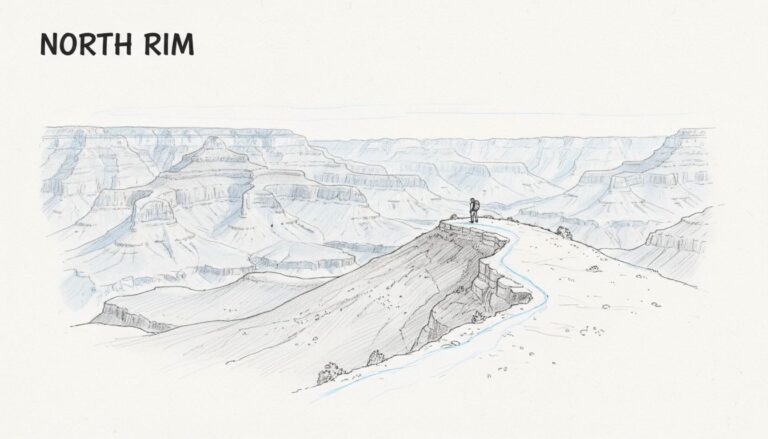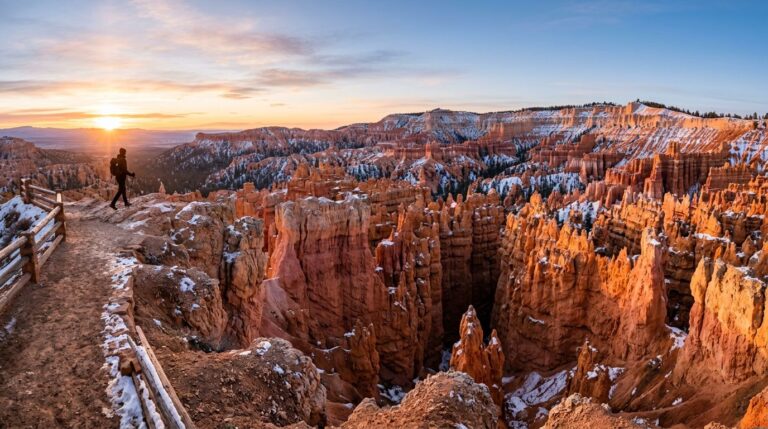
Nevada fools a lot of people. Most first-timers expect long highways and casino lights in Las Vegas, then the state answers with red rock bowls like those in Red Rock Canyon, alpine lakes, and mountain summits that feel far removed from the Strip.
The essential day hikes in Nevada are the ones that match the season. Beginners do best starting on desert trails near Las Vegas, then moving up to Tahoe or the Spring Mountains once the snow backs off. Here is where to go first.
Key takeaways
- Calico Tanks is the best first hike on this list, because it blends easy access with a big scenic payoff. Note that Red Rock Canyon requires a timed-entry reservation for the Scenic Drive from October 1 through May 31, 8am to 5pm.
- The Fire Wave and Seven Wonders Loop in Valley of Fire State Park gives you the strongest desert scenery, but it is best early in the day and these trails close annually from May 15 through September 30 for heat safety.
- Tahoe and high-elevation trails can hold snow and ice well into spring, so conditions matter as much as mileage.
The best hikes Nevada offers
The best hikes Nevada has for beginners and casual day hikers come down to three things: scenery, a clear route, and a payoff that feels bigger than the effort. A hike does not make this list if the route-finding is messy or the reward comes too late. For trip ideas across the state, Travel Nevada’s hiking guide is a good place to start before you narrow things down. If Nevada is one stop on a bigger Southwest trip, it pairs naturally with the routes in this roundup of the best day hikes in the USA.
Calico Tanks Trail, Red Rock Canyon
If you only have half a day near Las Vegas, this is the one to pick. Calico Tanks is one of the premier hiking trails in Red Rock Canyon. The round trip runs about 2.2 miles, and the National Conservation Area rates it moderate to strenuous, so it is short but not effortless. You get red sandstone, a few light scrambles, and a natural water pocket with scenic views back toward the city.
It feels like a real desert hike without asking too much from a beginner. Start early, carry more water than you think you need, and slow down on the rocky sections. Check the visitor center for maps. Parking fills fast on weekends, so weekday mornings are the sweet spot. Keep in mind that Red Rock Canyon requires a timed-entry reservation for the Scenic Drive between 8am and 5pm from October 1 through May 31, which covers most of the prime hiking season. For those seeking shade, Ice Box Canyon is a cooler, shadier alternative nearby with seasonal waterfalls from roughly December through April.
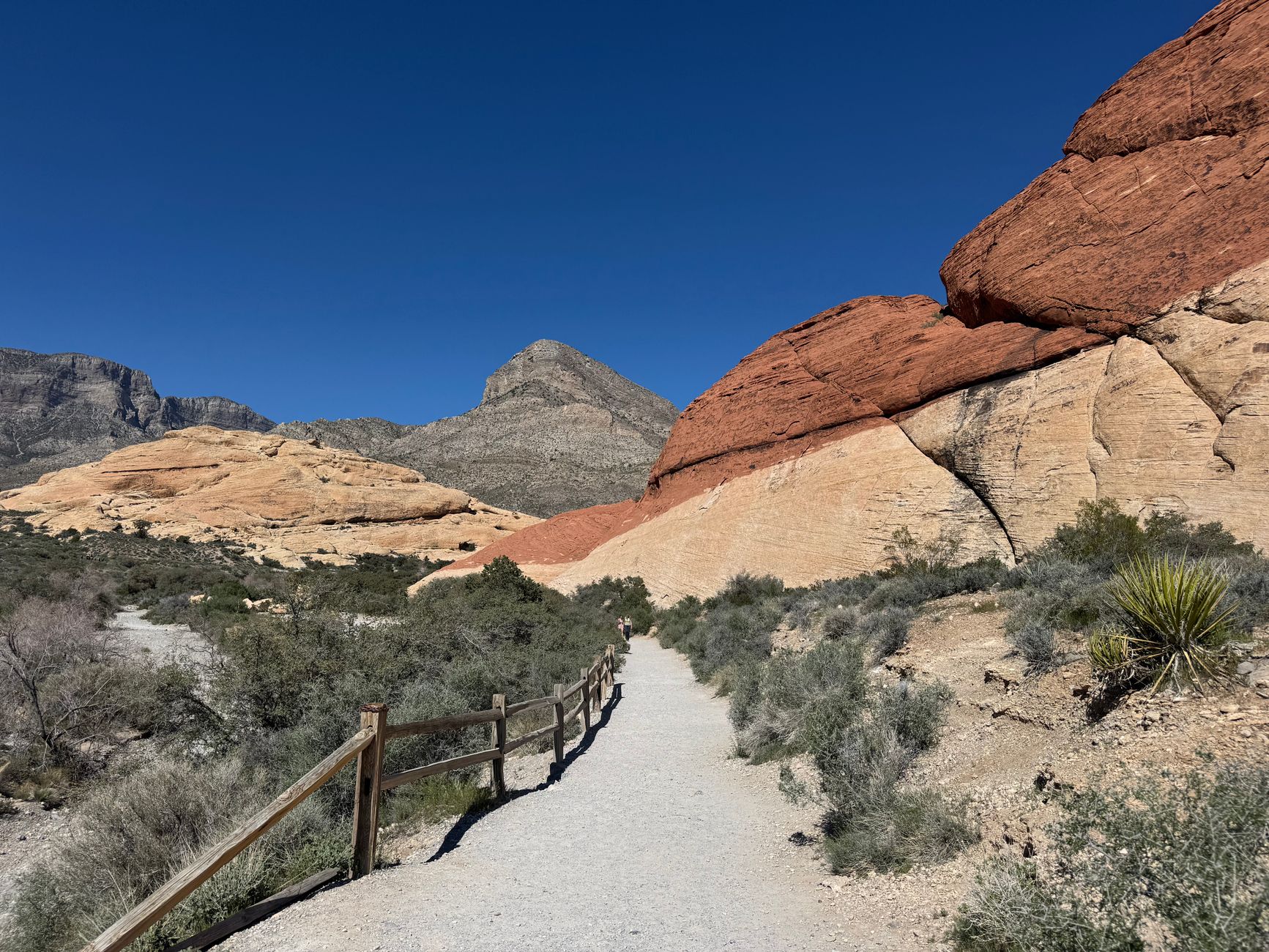
Photo by Petra Nesti
Fire Wave and Seven Wonders Loop, Valley of Fire State Park
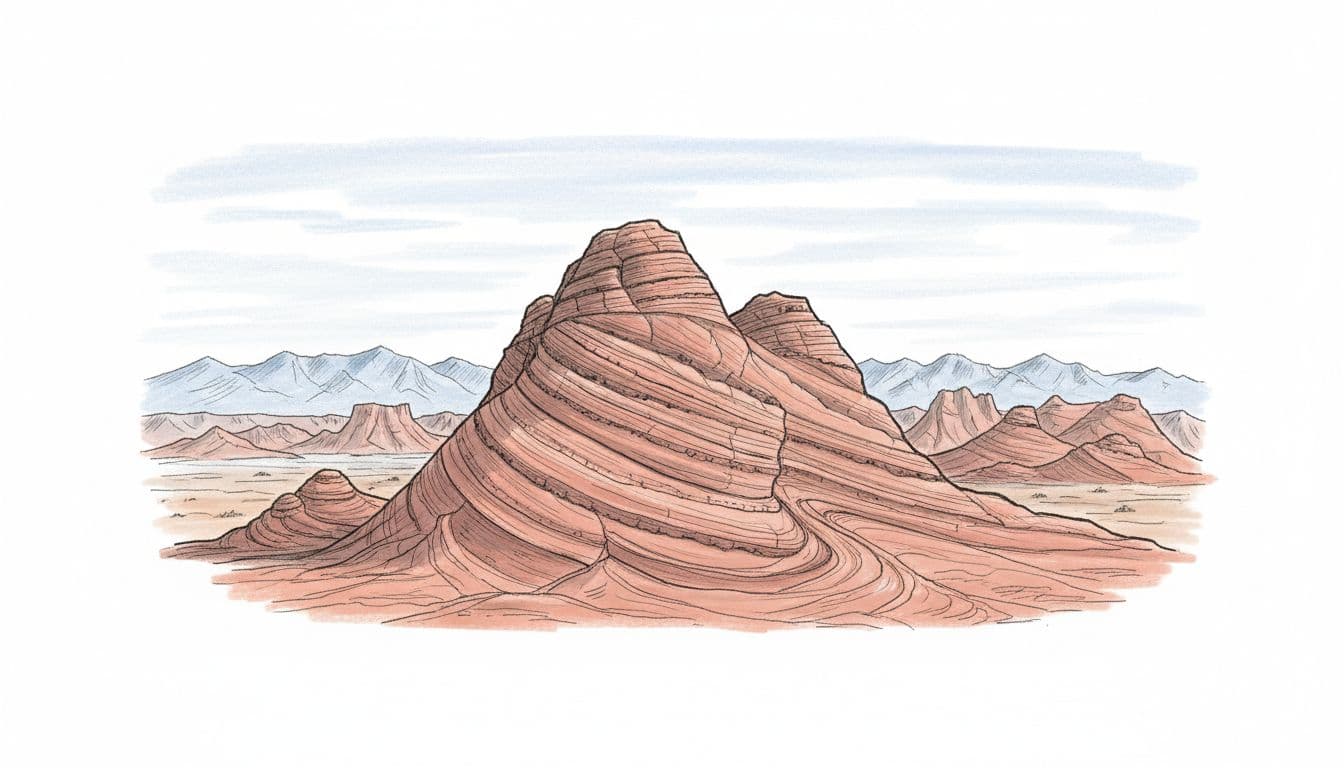
This is the top pick for pure wow factor. The Fire Wave trail in Valley of Fire State Park features banded sandstone that looks almost painted, and the loop stays short enough for many newer hikers. If Calico Tanks is a great first taste, Fire Wave is the trail that makes people stop walking and stare.
The trade-off is exposure. Shade is scarce, and midday sun can feel like a hair dryer pointed at your face. Sunrise is the move, because cooler air and softer light make the whole place look better. Sandy patches and slickrock can slow people more than expected, so wear proper hiking shoes. One important caveat: Valley of Fire closes many of its trails, Fire Wave included, from May 15 through September 30 each year because the heat turns dangerous, so this is a fall-through-spring hike. When it is open, hikers often pair it with the nearby White Domes Trail to walk through a slot canyon past an old movie set, or follow the wash into Pink Canyon as a scenic detour. This is exactly the kind of low-mileage, high-reward desert trail that fits a beginner-friendly list of easy national park hikes.
Monkey Rock Trail, Lake Tahoe
For a shorter Tahoe hike with a huge view, this is the one. Monkey Rock runs roughly 2.5 miles round trip with around 400 to 500 feet of gain near Incline Village, a moderate climb that feels earned but stays realistic for many beginners ready for a moderate day. The lake views are the whole point, and they do not disappoint.
Altitude can sneak up on sea-level visitors, so pace yourself and take breaks. That is not wasted time here, it is half the experience. Higher Tahoe trails can hold a mix of snow, ice, slush, and mud well into spring, so it is worth checking Nevada Trail Finder and recent Nevada trail reviews on AllTrails before you head up.
Mt. Charleston, Spring Mountains
Mt. Charleston is not a first hike. Still, it belongs on any serious list of the best hikes in Nevada because the scenery changes so much as you climb. The route to Charleston Peak, the high point of the Spring Mountains at 11,916 feet, runs about 18 miles as a loop and gains thousands of feet, moving from forest to high, open slopes where the summit feels nothing like the desert below. The trailheads sit less than an hour from the city.
The trail is long, and the elevation gain is serious. Treat it as a fitness test with huge scenery attached. On a clear day, the contrast between pine-covered slopes and the dry basin below sticks with you. If you are newer to hiking, build up with easier Vegas-area routes first, then come back for this one.
Goldstrike Hot Springs, Lake Mead National Recreation Area
For a unique twist on Nevada hiking, Goldstrike Hot Springs in Lake Mead National Recreation Area delivers. This canyon route offers glimpses toward the Hoover Dam area and ends at several hot springs worth a soak before the climb back out. It is a moderate out-and-back with real scrambling over boulders, ideal for hikers who want water and warmth in the desert. Like the Valley of Fire trails, it closes during the hottest stretch of the year, usually May 15 through September 30, because the canyon traps dangerous heat.
How to choose the right Nevada hike
Nevada rewards good timing. Southern desert trails in national recreation areas and the Valley of Fire State Park shine from fall through spring, because cooler air makes exposed terrain far more pleasant. Several of them, including the Valley of Fire trails and Goldstrike, actually close for the summer. Meanwhile, the higher country near Tahoe and the Spring Mountains usually hits its sweet spot from late spring into early fall.
That split matters more than mileage, especially for heat safety. A three-mile desert hike at noon can feel harder than a six-mile forest trail in cool weather. Through the spring shoulder season, treat Tahoe routes and higher summit trails as conditions-dependent hikes rather than easy summer walks. Utah and Arizona run on a similar desert-versus-altitude rhythm, so the timing logic in these best hikes in Utah and best hikes in Arizona guides carries over well.
Also, check road access, parking areas, trail closures, and park rules before you leave. Entrance fees, timed-entry windows, and snow on higher roads can change your day fast. The Bowl of Fire, a roughly 4-mile route in Lake Mead National Recreation Area, stands out as a great option for the cooler shoulder season. Once summer arrives, Tahoe-side trails like Mount Rose and Van Sickle become strong next-step options if you want more miles. For a deeper trip on the California side of Tahoe, the best hikes in California roundup is a useful companion.
In Nevada, sun, wind, and loose rock can make a short trail feel much longer than it looks on paper.
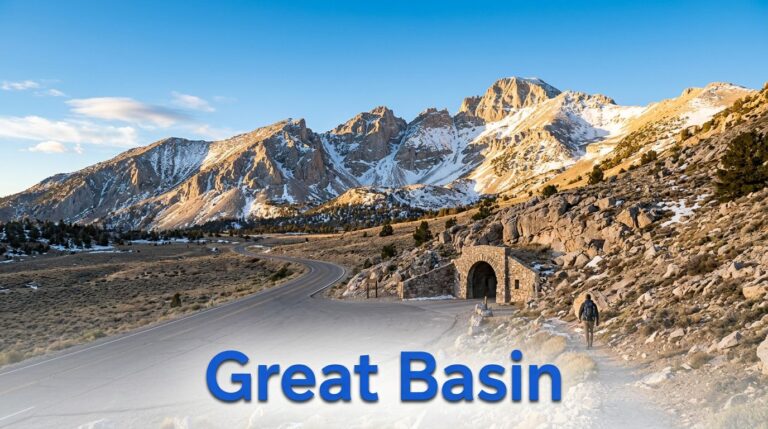
For the simple version by difficulty level: pick Calico Tanks for a first desert hike, Fire Wave for the best scenery, Monkey Rock for lake views, and Charleston Peak for a real challenge. If you want to build a multi-day trip around big-name scenery, the high desert pairs well with a stop at Great Basin, and this Great Basin National Park itinerary covers Wheeler Peak, the bristlecone pines, and Lehman Caves.
FAQs about the best hikes in Nevada
What is the best beginner hike in Nevada?
For most beginners, Calico Tanks Trail near Las Vegas is the strongest pick, and you can grab maps at the Red Rock Canyon visitor center first. When the higher trails still hold snow, stick to lower desert routes near Las Vegas, where conditions are usually far better than in the mountains.
When is the best time to hike Nevada?
Spring and fall are best for southern Nevada, including Red Rock Canyon and Valley of Fire, and Lake Mead National Recreation Area stands out as a prime cool-season destination. For Tahoe and big summit hikes, summer and early fall are usually the safer window. Remember that several southern trails, including those in Valley of Fire and Goldstrike Canyon, close from May 15 through September 30 for heat safety.
Are Nevada hikes good for kids and casual hikers?
Yes, but trail choice matters. Shorter hikes near Las Vegas and select Tahoe routes work well, as long as you start early, carry enough water, and avoid peak heat.
What should I pack for a Nevada day hike?
The non-negotiables are water, sun protection, snacks, and a downloaded map. For hot springs trails like Goldstrike, take extra care around scalding water and never put your head under. For higher trails in the shoulder season, pack layers and traction if recent reports mention snow or ice.
Do I need permits or reservations for Nevada hikes?
Usually not for the trail itself, but entrance fees and access rules can apply at trailheads or parking areas. Red Rock Canyon is the big exception: it requires a timed-entry reservation for the Scenic Drive between 8am and 5pm from October 1 through May 31. Check the official park page the night before, because small logistics can make or break a hiking day.