Wyoming is the state to pick when you want scenery that never feels small. The lakes look unreal, and the mountain backdrops can make a short hike feel like a major trip.
The catch is simple. The best hikes Wyoming has for lakes and peaks range from easy half-days to serious backcountry efforts. Sorting them by payoff and commitment helps, because the right trail matters as much as the view.
Key takeaways: Jenny Lake to Cascade Canyon is the best all-around pick, Delta Lake is the best short hike for drama, and Cirque of the Towers plus Titcomb Basin are better once you want bigger mileage and a more remote feel. Most high-country Wyoming hikes hold snow well into late spring, so plan these for summer or early fall.
The best Wyoming hikes for lakes, peaks, and huge views
Jenny Lake to Cascade Canyon is the best all-around Wyoming hike
If you only do one classic Wyoming trail, start with Jenny Lake to Cascade Canyon. It gives you water, granite walls, a waterfall stop, and a canyon that keeps getting better as you walk. Run via the shuttle boat, the trip into Cascade Canyon is roughly 9 miles round trip and moderately strenuous.
The flexibility is the best part. Beginners can keep it short with Hidden Falls and Inspiration Point. Stronger hikers can push deeper into Cascade Canyon for that big Teton feel without turning the day into a suffer-fest. The Grand Teton National Park map shows how Jenny Lake fits with the rest of the range if you want to build a full day.
Delta Lake packs the most drama into a shorter day
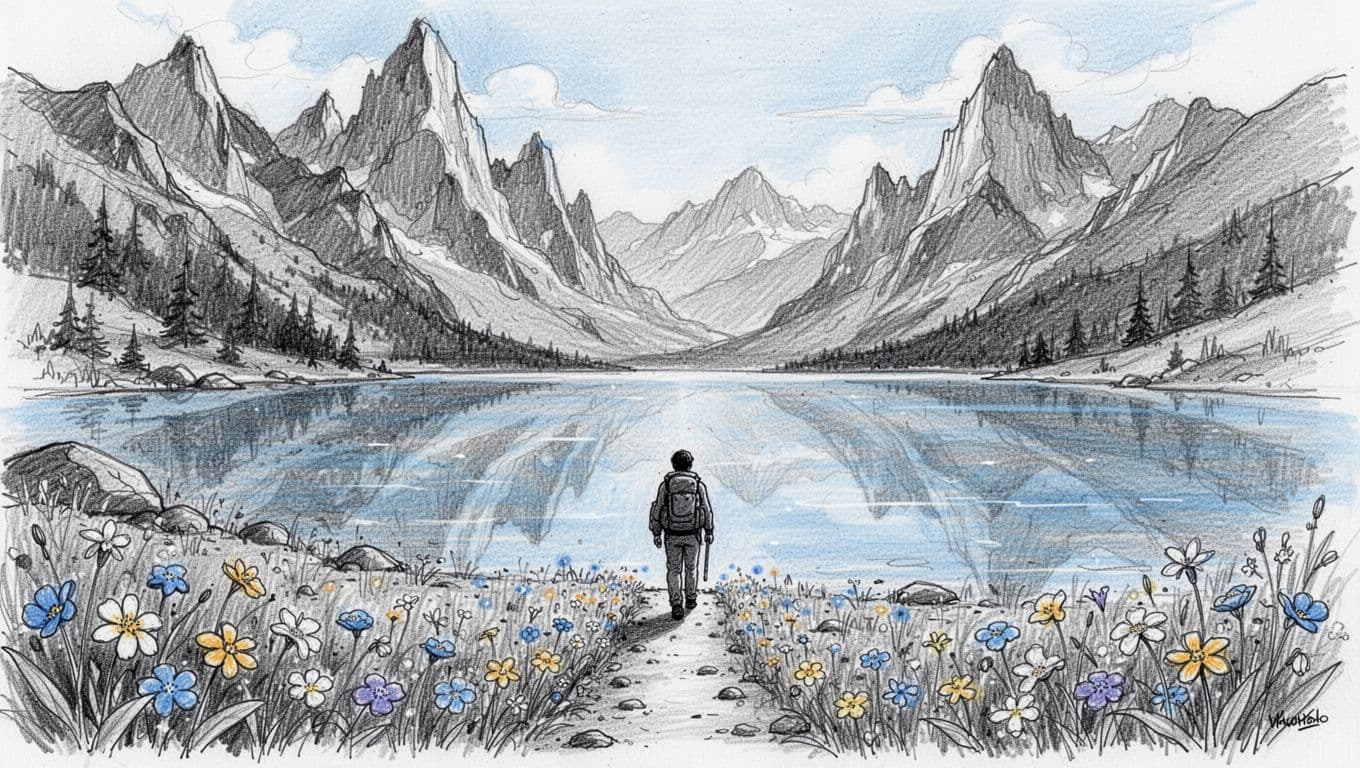
Delta Lake is the hike for anyone who wants that shock factor. The water glows blue-green, the peaks look close enough to touch, and the finish feels like you walked into a postcard. It runs about 8 miles round trip from the Lupine Meadows trailhead with around 2,300 feet of climbing.
This one is not a good pick for brand-new hikers, though. Delta Lake is an unofficial route, so the upper section is steeper and rougher than Jenny Lake, with boulder fields and a short scramble near the top. If you’re steady on your feet and want one bold alpine lake, it’s hard to beat.
Taggart Lake is the easy win that keeps earning its spot
Taggart Lake is the mellow choice in Grand Teton. At roughly 3 to 4 miles round trip with only a few hundred feet of gain, it’s shorter, less intimidating, and still gives you a clean look at the range over the water.
It works well for a first morning in the park, especially while you ease into the altitude. Parking can shape the whole day, so follow these Grand Teton hike timing tips and start early.
Cirque of the Towers is Wyoming at full volume
Cirque of the Towers, in the Wind River Range, is one of the most striking mountain basins in the state. The granite walls rise straight out of the lakes, and the whole place feels bigger than it should.
The trade-off is effort and logistics. Reached from the Big Sandy trailhead, this is not a casual roadside hike. It suits hikers ready for a long day or, better yet, a backpacking trip where you can slow down and enjoy the basin.
Titcomb Basin is the pick for the most memorable lake country
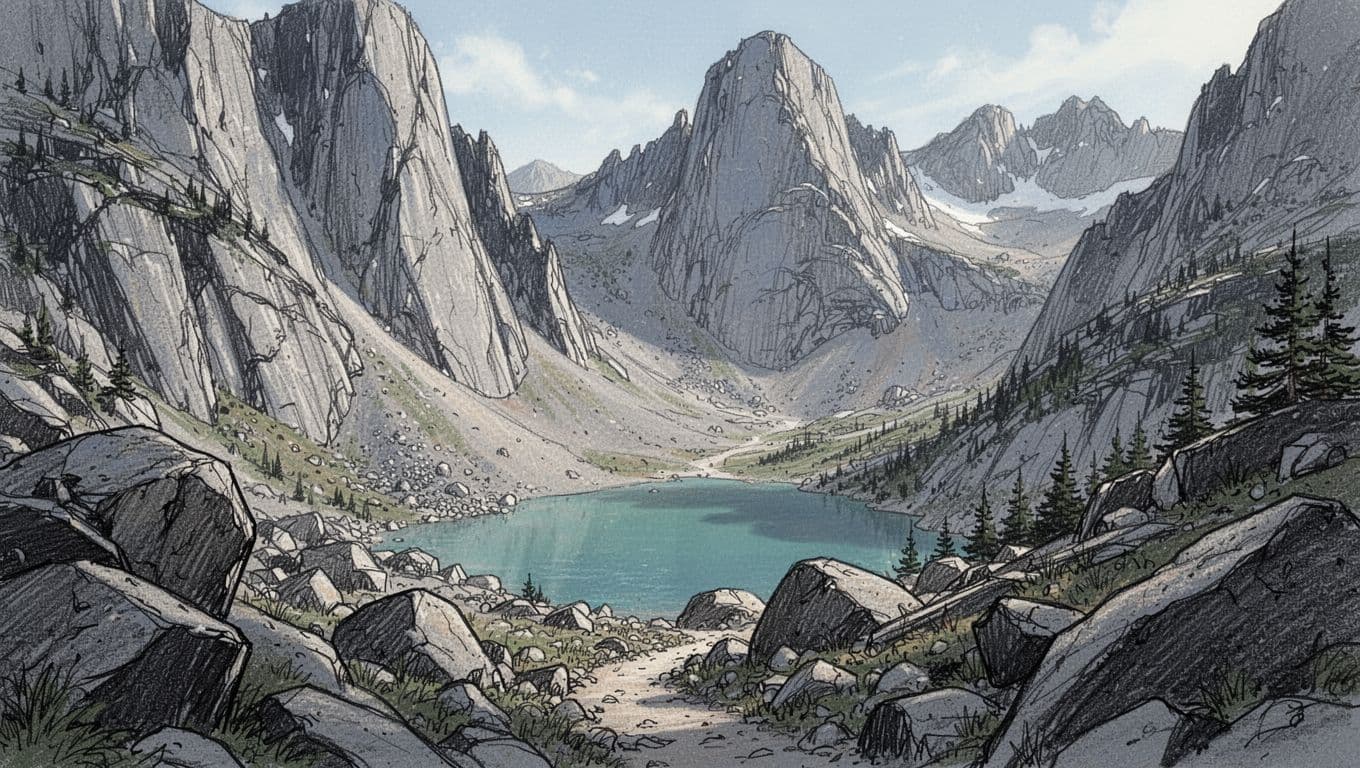
If Cirque is dramatic, Titcomb Basin is grand and serene. Long glacial lakes, broad meadows, and steep peaks all stack together in a way that feels almost too perfect.
Titcomb is not a beginner day hike. Reached from the Elkhart Park trailhead near Pinedale, the round trip runs roughly 30 miles, so it’s usually best as an overnight or multi-day trip. If you want the purest mix of alpine lakes and giant scenery in Wyoming, Titcomb belongs near the top of the list. For more crowd-favorite options across the state, the Wyoming views trail roundup on AllTrails is a useful scan.
When to hike these trails
Season is the part that saves people from bad plans. Through spring, most higher Wyoming trails are still holding snow, ice, and mud, especially in Grand Teton, Yellowstone, and the Wind River Range. Lower Jenny Lake side trails tend to open first, but Titcomb, Cirque, and other big alpine routes stay in snow season much longer.
Grand Teton’s seasonal road schedule matters too. The Teton Park Road typically opens to vehicles around May 1, and the Moose-Wilson Road stays closed into mid-spring. If you visit before the high country melts out, shift your focus to lower routes, park pathways, or short scenic walks instead of chasing high lakes.
Planning a Wyoming trip in early spring? Pick lower elevation hikes and treat the famous alpine routes as summer goals.
Yellowstone works the same way in the shoulder seasons. Keep it simple with short stops and roadside walks, then use a plan like this Yellowstone one-day itinerary if you want scenery without backcountry risk. With more time, the Yellowstone two-day itinerary spreads the geyser basins and overlooks across a calmer pace, and the Yellowstone National Park map helps you group nearby stops so you drive less.
For summer backup ideas outside the Tetons, the Bighorn Mountains hikes deliver quieter trails on the eastern side of the state.
How to choose the right Wyoming hike fast
A simple filter works for most trips. For the safest bet for beginners, choose Jenny Lake or Taggart Lake. For one huge payoff in a single day, lean Delta Lake. For wild, remote mountain country, head to the Winds for Cirque or Titcomb.
Crowds matter too. The Tetons are easier to reach, so they’re busier. The Wind River Range asks more from you, but it gives more solitude back. That’s the trade to keep in mind.
If you want easier scenic options before committing to the big stuff, these easy national park hikes are a low-stress warm-up, and the best USA day hikes roundup puts Wyoming’s trails next to other big-view days worth planning a trip around.
FAQs about the best hikes in Wyoming
Which Wyoming hike is best for beginners?
Taggart Lake or the shorter version of Jenny Lake to Hidden Falls and Inspiration Point are the easiest starting points. Both give you big scenery without a huge commitment.
What’s the best Wyoming hike for the bluest lake?
For pure color, Delta Lake is the standout. The water and the Teton backdrop hit hard.
Are these hikes good in early spring?
Mostly no, not the high-country ones. Snow still covers many upper trails into late spring, so lower routes are the smarter call until the alpine zones melt out.
Do you need bear spray in Wyoming?
Yes. Carry it in both Grand Teton and the Wind River Range, and keep it easy to reach, not buried in your pack.
For neighboring states with similar mountain hiking, see the best hikes in Idaho and the best hikes in Montana.