The best first hike shouldn’t feel like a test. It should feel like an invitation.
When you compare beginner hikes across the USA, stress matters more than mileage. New hikers do better on trails with a fast payoff, clear footing, and an easy way out. In spring, lower-elevation parks are a sweet spot because the weather is mild and many alpine routes still hold snow.
Key takeaways: keep a first hike under 3 miles when you can, pick a trail with obvious navigation, and go early for easier parking. Scenery counts too, because a great view makes short miles feel bigger.
What makes a hike worth recommending to beginners
The simple rule: if a trail has big drop-offs, confusing junctions, or a long grind before the view, it isn’t beginner-friendly. A good starter hike should feel welcoming from the parking lot on.
Distance helps, but it isn’t everything. Predictable footing, low elevation gain, and an early reward matter more. The best beginner trails give you something memorable in the first 15 to 30 minutes, whether that’s a waterfall, a canyon wall, giant trees, or a lake view.
Logistics matter more than most people think. A short trail with awful parking or tough timing can feel harder than a longer, calmer walk. That’s why first-timers usually do best on well-known paths, even busy ones. Busy trails are easier to follow, and that lowers stress. If you want short routes specifically, our roundup of the best short hikes in the USA under 5 miles is a good companion list, and the family-friendly hikes guide works if you’re bringing kids.
If you’re searching for beginner hikes USA-wide, this is the filter to use every time. It sounds conservative, but it works. For more park-specific ideas, the guide to easy national park hikes for beginners goes deeper on low-stress options.
The best beginner hikes in the USA right now
These are the trails to recommend first, not because they’re famous, but because they make new hikers want to come back. Each one gives you a strong sense of place without asking you to suffer for it.
Perkins Central Garden Trail, Colorado
This 1.1-mile loop in Garden of the Gods is one of the easiest wins in the country. The path is paved and nearly flat, the red rocks feel massive, and the navigation is almost effortless. If you want a first hike that feels more like a scenic stroll, start here. It’s also a natural anchor for a wider trip, so it pairs well with the rest of the best beginner hikes in Colorado.
Fern Canyon, California
Fern Canyon, in Prairie Creek Redwoods State Park, is short, lush, and a little magical. The canyon walls drip with greenery on a roughly 1-mile loop. One thing to plan for: this is a creek walk, not a dry trail. You wade through shallow water and climb over the odd log jam, and the wooden footbridges that smooth the route are only installed in summer. A free parking reservation is required in peak season (roughly May through September), so spring visits skip that step but mean wetter feet. Wear waterproof shoes and check current road and trail conditions before you go. For more coastal and redwood options, see our picks for the best hikes in California.
Santa Elena Canyon Trail, Texas
Big Bend can look intimidating, but this trail is a friendly intro. It’s about 1.7 miles round trip, with one short stairway climb near the start before the path levels out and the canyon walls close in around you. Late afternoon is a good time to go, when the light softens and the cliffs feel even bigger. If you’re building a longer trip, our Big Bend hiking itinerary puts Santa Elena Canyon on an easy two-day plan.
Jordan Pond Path, Maine
If you want a coastal park hike that still feels calm, the Jordan Pond Path easy loop is hard to beat. It’s a 3.3-mile loop, mostly gentle, with a mix of shoreline, boardwalk, and mountain views that keeps it interesting the whole way. For beginners, that’s a smart trade: a little longer, but never dull.
Laurel Falls, Tennessee
Laurel Falls is popular because it earns it. The route is paved and straightforward, the 80-foot waterfall payoff is solid, and the 2.6-mile round trip stays reasonable for most first-timers. If waterfalls are your thing, our easy Smoky Mountains waterfall hikes guide has a simple next-step plan.
Big Trees Trail, California
If giant sequoias are on your list, this is one of the lowest-effort ways to see them. The 1.2-mile loop circles a meadow, the setting is calm, and the trees do all the heavy lifting. The only real catch is altitude, so take it slow. For more options, here are the best easy hikes in Sequoia National Park.
How to keep a first hike easy, not stressful
A beginner hike can go sideways for small reasons, so it pays to plan around friction. Start early, carry more water than you think you’ll need, and wear shoes with grip even on short trails. Sneakers can work, but slick soles are a bad bet near wet rock or packed dirt.
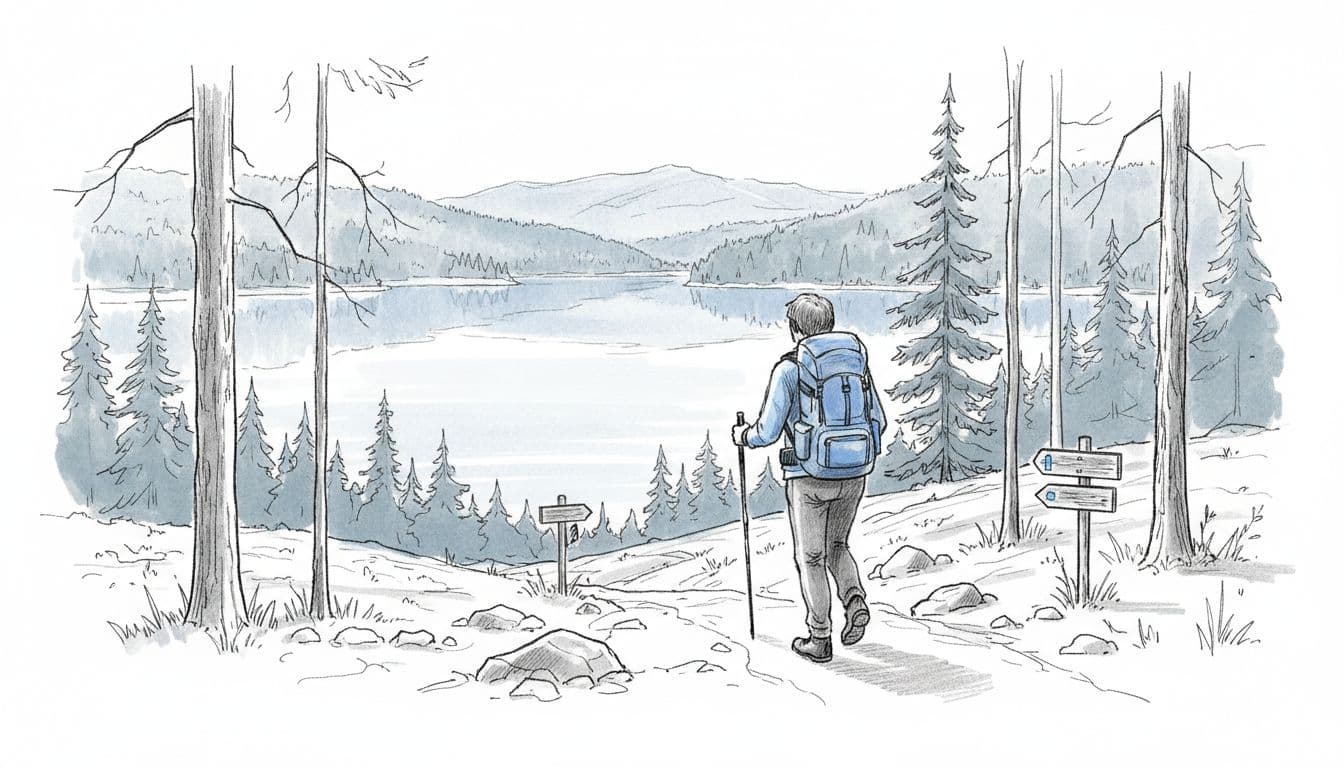
Spring is great for lower trails, desert canyons, and many coastal walks. Higher parks still hold snow, ice, or muddy patches into late spring, so an alpine lake trail is rarely the right first outing of the season. Pick the easy win first, then build from there.
Before you drive out, download maps and check same-day alerts. Cell service disappears fast in canyons, deserts, and deep forests. A small snack, a light layer, and a simple backup plan solve most beginner problems before they start.
Local warm-up hikes help before a big park trip, too. Backpacker’s First Day Hike guide for all 50 states is useful when you want something close to home.
One more thing: decide your turnaround point before you start. New hikers often think success means finishing every mile. It doesn’t. Success means ending the day with energy left and enough confidence to go again. The best beginner hikes in the USA aren’t the hardest ones you survive. They’re the easy, scenic trails that make hiking feel bigger than the mileage, so pick the one that makes you curious, go early, and keep the day simple. Once that feels normal, North America’s bigger bucket-list trails make good future goals.
FAQs about beginner hikes in the USA
What’s a good first-hike distance?
Aim for 1 to 3 miles round trip. That’s long enough to feel like an outing, but short enough to keep mistakes small.
Do I need hiking boots for easy trails?
Not always. For paved or smooth trails, comfortable shoes with solid grip are usually enough. If the trail is wet, rocky, or muddy, hiking shoes are a better call.
Is spring a good time for beginner hikes?
Yes, especially in desert parks, coastal areas, and lower forests. Save high-elevation routes for later in the season unless current conditions look clean and dry.
How do I know if a trail is too hard for me?
Check distance, elevation gain, and trail surface. If the hike adds steep climbs, exposed edges, or tricky footing, save it for later.