The Wave hike gets talked about like a myth for a reason. One look at those striped sandstone curves, and the whole trip starts to feel bigger than the mileage. And trust me, it is. I’ve hiked The Wave three times in the last 5 years, and it’s truly magnificent.
It sits in northern Arizona, and it is one of those bucket-list places that still asks for real planning. You need a permit from the NPS (only ~60 permits are granted daily), the weather has to cooperate, and timing matters more than most first-time visitors expect… summer can get brutally hot during the afternoons.
Key takeaways:
- The hike is short, but the planning is not.
- A permit is required, and lottery timing matters.
- Cooler weather and plenty of water make the day much easier.
Here’s what the hike feels like, how the permit works, when to go, and what to pack.
Why the Wave feels so different from other hikes
The Wave does not feel like a normal marked trail. It feels more like a desert treasure hunt, where the reward is the view itself. You are walking through open sandstone country, following subtle landmarks instead of painted blazes. For beginner hikers, that mix can feel exciting without being overwhelming.
Here I am, hiking The Wave recently with my friends Matt & Nick:
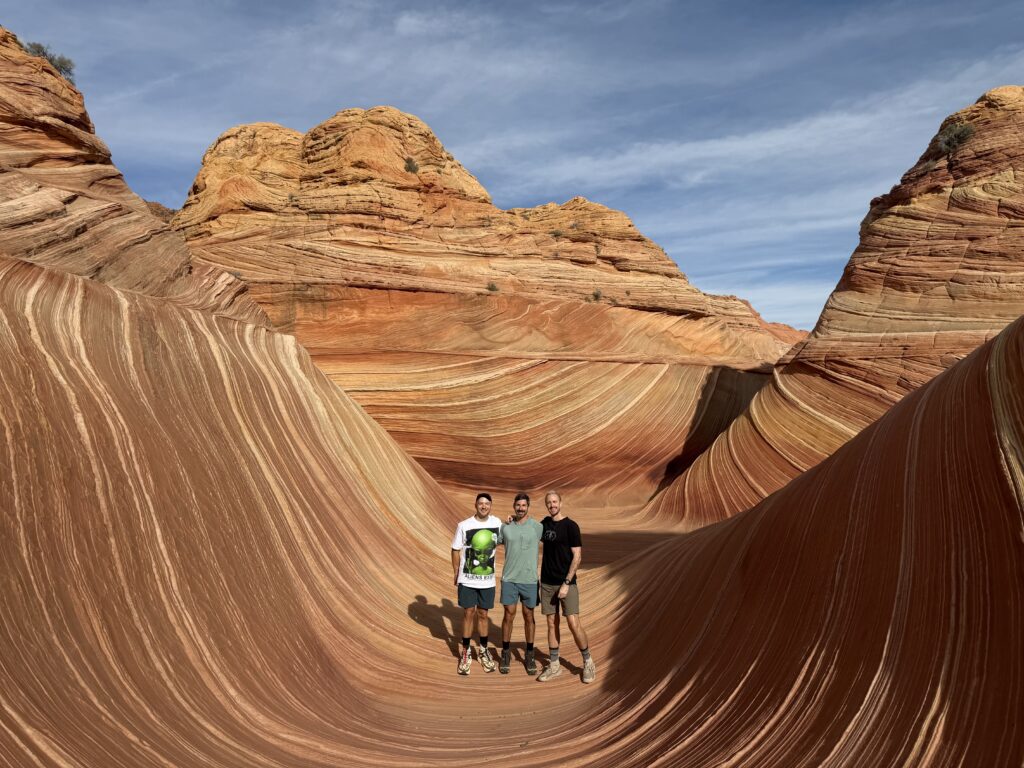
The setting matters too. This is a remote stretch of northern Arizona with wide skies, quiet ground, and almost no signs of civilization. The rock steals the show, though. That is part of why the Wave is one of the most photographed hikes in the Southwest. The place looks unreal, even before you get close.
The rock formation and colors you will see
The formation is all curves and layers. The sandstone folds in smooth, wave-like shapes, with red, orange, cream, and tan bands running through it. The patterns look soft from a distance, then sharper once you’re standing near them.
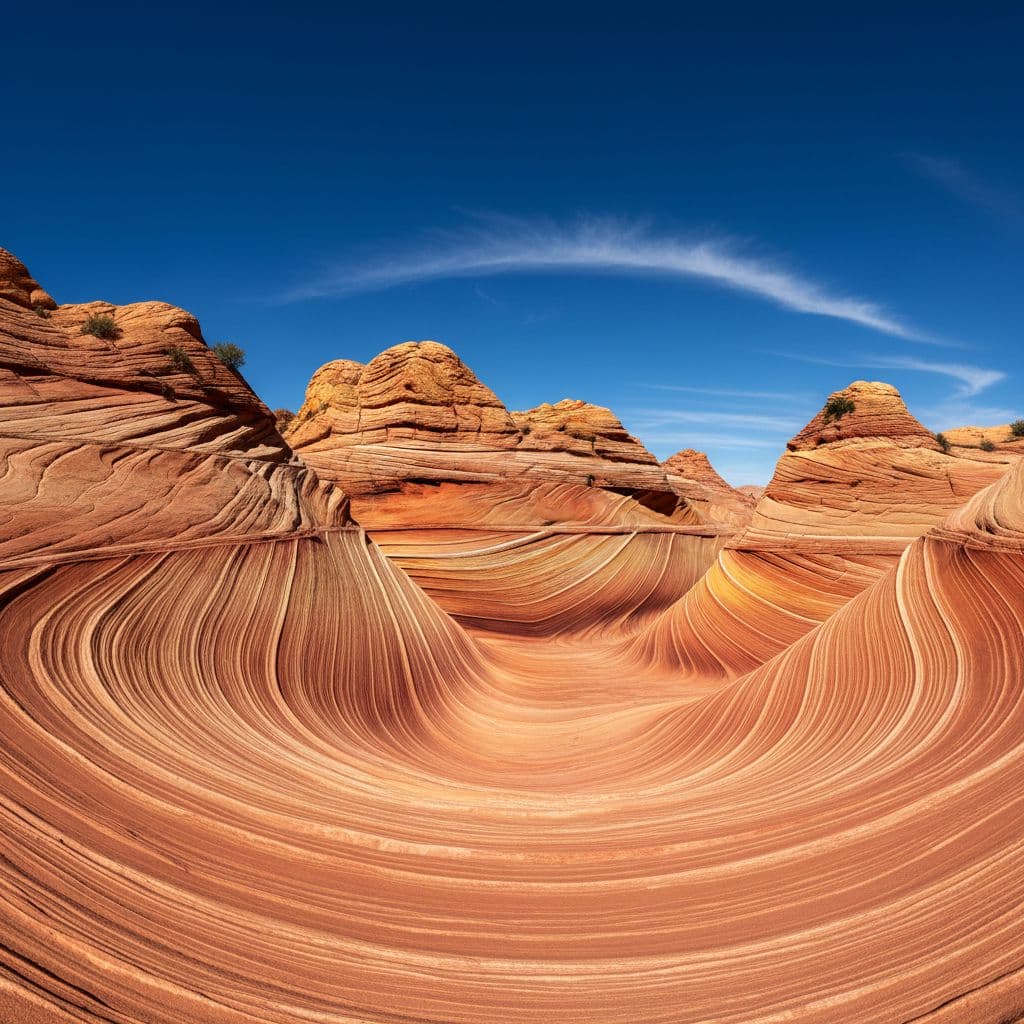
Look at the ridges from different angles and the whole scene changes. Morning light can make the colors feel cooler. Late-day sun can make them glow. That shifting look is a big part of the appeal.
Why the hike is popular with first-time visitors
A lot of beginners like the Wave because the reward is huge for a route that is not especially long. It feels adventurous without requiring a multi-day backpacking trip. You can get a world-class view, then still sleep in a bed that night.
The catch is obvious, though. Popular does not mean simple. The planning can be harder than the walking, and that surprises plenty of first-time visitors. The hike is famous because it delivers. It is also famous because not everyone gets the chance to see it.
Short mileage does not buy you an easy day in the desert.
How to get a permit and plan your visit
The permit system is the first thing to figure out. Without it, there is no hike. That can sound annoying, but it is also why the area stays special. Access is limited, so the ground does not get hammered by crowds.
For a practical breakdown of timing and backup dates, the Wave lottery strategy and tips page is a good place to start. The main idea is simple: plan early, leave room for a miss, and do not assume you’ll get in on the first try.
How the permit lottery works
The advance permit runs through Recreation.gov. The Coyote Buttes North Advanced Lottery is where most people apply when they want to lock in a future date. You pick your preferred day, submit the application, and wait for the result.
If you are already in the area, there is also a short-notice option. The Coyote Buttes North Daily Lottery is the fallback for people who can be flexible and already have a trip in motion. It is a useful plan B, but not a solid plan if your calendar is tight.
The Bureau of Land Management’s Coyote Buttes North page keeps the current rules in one place. That is the page to check before you commit to dates. The main thing to remember is this, the Wave is protected by design, so the permit is part of the hike, not an afterthought.
Best seasons and best time of day
Cooler months are easier for most hikers. Late fall, winter, and early spring usually make the walk more comfortable, while peak summer can turn a short hike into a hard one fast. There is little shade out there, and heat builds quickly on sandstone.
Timing within the day matters too. Sunrise and late afternoon often give the rock its best color. The shadows deepen the curves, and the whole formation looks sharper. Midday light is harsher and flatter, which makes the place feel less alive in photos.
If your schedule allows it, aim for the most comfortable weather first and the prettiest light second. The right season is more important than the perfect photo.
What the trail is really like from start to finish
The Wave is not a long hike, but that does not mean it is easy. The distance is manageable for many average hikers, yet the conditions can make it feel tougher than the mileage suggests. Sand slows you down. Slickrock can be slick. The sun has nowhere to hide.
The route also requires attention. This is not a signed stroll where you can drift along and trust the path to do the work. You need to watch the terrain, read the open desert, and keep track of your direction. That is part of the fun, but it also means you should not rush.
Distance, difficulty, and trail conditions
The hike is commonly described as short to moderate in distance, depending on the route and conditions. The real challenge is the surface. Expect uneven ground, some loose sand, and stretches of exposed sandstone. Your feet will feel it more than your legs.
It helps to think of the hike as a desert route-finding day instead of a standard trail walk. The terrain is open, so landmarks matter. If you are used to well-marked park paths, this will feel different right away. It is still beginner-friendly in the right conditions, but it asks for attention.
Safety basics every hiker should know
Bring more water than you think you need. Desert air dries you out fast, and there is no service on the trail. Sunscreen, a hat, and sunglasses are not optional here. They are part of the plan.
Navigation matters too. Use a map, save an offline route, and keep your phone charged. If weather changes, turn around early instead of trying to push through it. The Wave is best enjoyed at an easy pace, not a hurried one.
What to pack so the day goes smoothly
This is not the place to underpack. The area is remote, there are no services on the trail, and small mistakes get annoying fast. A little extra preparation makes the day smoother.
Here is the basic list to keep in mind:
- Water: Bring more than you expect to drink, not less.
- Snacks: Choose simple food that travels well, like trail mix, bars, or fruit.
- Sun protection: Hat, sunscreen, sunglasses, and lip balm.
- Navigation: Offline map, route notes, and a charged phone.
- Layers: A light jacket or shell if the morning starts cold.
That list covers the essentials, but shoes matter just as much.
Clothing and footwear that work best here
Sturdy shoes with good grip are the safest choice. The route can switch between sand and slick rock, and soft soles can feel sketchy when the ground gets uneven. Trail runners or hiking shoes work well for many people, as long as they fit properly.
Wear breathable clothes that dry fast. A hat helps with shade, and a light layer is smart if you start early or visit in cooler weather. Keep the outfit simple. This is not the place for anything fussy.
Food, water, and navigation essentials
Water should be your first priority. Pack more than you think you’ll need, then add a little extra. The desert punishes guesswork, and heat can climb faster than expected.
For navigation, use more than one method if you can. An offline map on your phone is helpful, but so is a downloaded route or written notes. Snacks should be easy to eat on the move, since you may want small breaks rather than one long stop.
Conclusion
The Wave hike is short in distance, but it asks for serious planning. That is part of what makes it memorable. You get a rare sandstone landscape, a route that feels a little wild, and a day that rewards people who prepare well.
The big things are simple. Get the permit lined up, pick a cooler season if you can, and treat the route like open desert terrain. Bring more water, use the right shoes, and give yourself backup dates in case the lottery does not go your way.
If you’re wondering whether the effort is worth it, the answer is yes. Plan ahead, stay flexible, and the Wave will give you one of the strangest and best hikes in the Southwest.