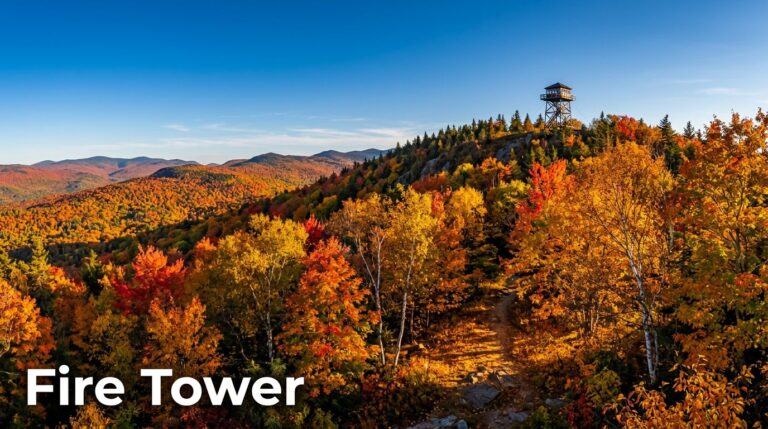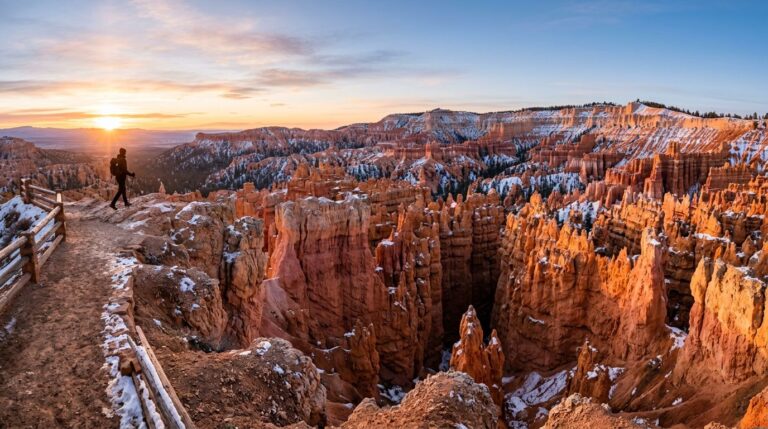
New Mexico is one of those places where a hike can start in cactus country and end under tall pines. That shift is the whole appeal. If you are searching for the best hikes New Mexico has to offer, do not chase mileage first. Chase elevation, shade, and scenery that changes as you climb.
The good news is that beginners still have plenty of options among the many hiking trails across the state. You just need to pick the right day hikes for your schedule, start early, and respect the heat. The routes below lean toward desert peaks, cool forests, or the sweet spot between the two.
Quick take
- La Luz Trail in the Sandia Mountains is the big payoff hike if you want a serious climb and a dramatic scenery switch.
- Dripping Springs, Atalaya Mountain, and Bear Canyon are the best beginner-friendly picks for most trips.
- Go high and start early if you want cooler temps, fewer crowds, and a better chance of enjoying the hike instead of surviving it.
Key Takeaways
- Prioritize elevation change: The most rewarding New Mexico hikes start in desert landscapes and transition into cool, shaded pine forests, providing a diverse experience in a single trek.
- Master the timing: Summer hiking requires an early start to avoid the heat, while spring and fall offer the most comfortable weather for exploring desert and mountain trails alike.
- Select trails by capability: Utilize established routes like Dripping Springs or Bear Canyon for beginner-friendly excursions, or challenge yourself on strenuous climbs like the La Luz Trail for maximum scenery and reward.
- Prepare for the environment: Always carry more water than you think you need, use sun protection regardless of the temperature, and download maps ahead of time to account for inconsistent cell service in remote areas.
How to pick a New Mexico hike that fits your day
New Mexico hiking usually falls into two moods. The first is open and dry, characterized by the high desert with big views, sun exposure, and rocky ground. The second is cooler and greener, with pine cover, shaded benches, and a little more breathing room. The best trail for you depends on which mood you want, and how much effort you want to spend getting there.
If you only have one day, I would choose a trail that climbs enough to change ecosystems. That is where New Mexico gets interesting. A flat desert walk can be pleasant, but a trail that starts low and ends high feels like two hikes in one. Many of the best hiking trails in these areas are managed by the Bureau of Land Management or the Forest Service, providing reliable access to these diverse landscapes.
In New Mexico, elevation is the secret ingredient. A short trail with significant elevation gain at 9,000 feet can feel tougher than a longer one in town.
Season matters too. Spring and fall are the easiest months for most of these hikes. Summer can still work, but early morning becomes non-negotiable. Winter is fine on some lower trails, though shade, ice, and road conditions can change the plan fast. Keep your expectations simple, and the state does the rest.
The hikes that mix desert peaks and cool pines best
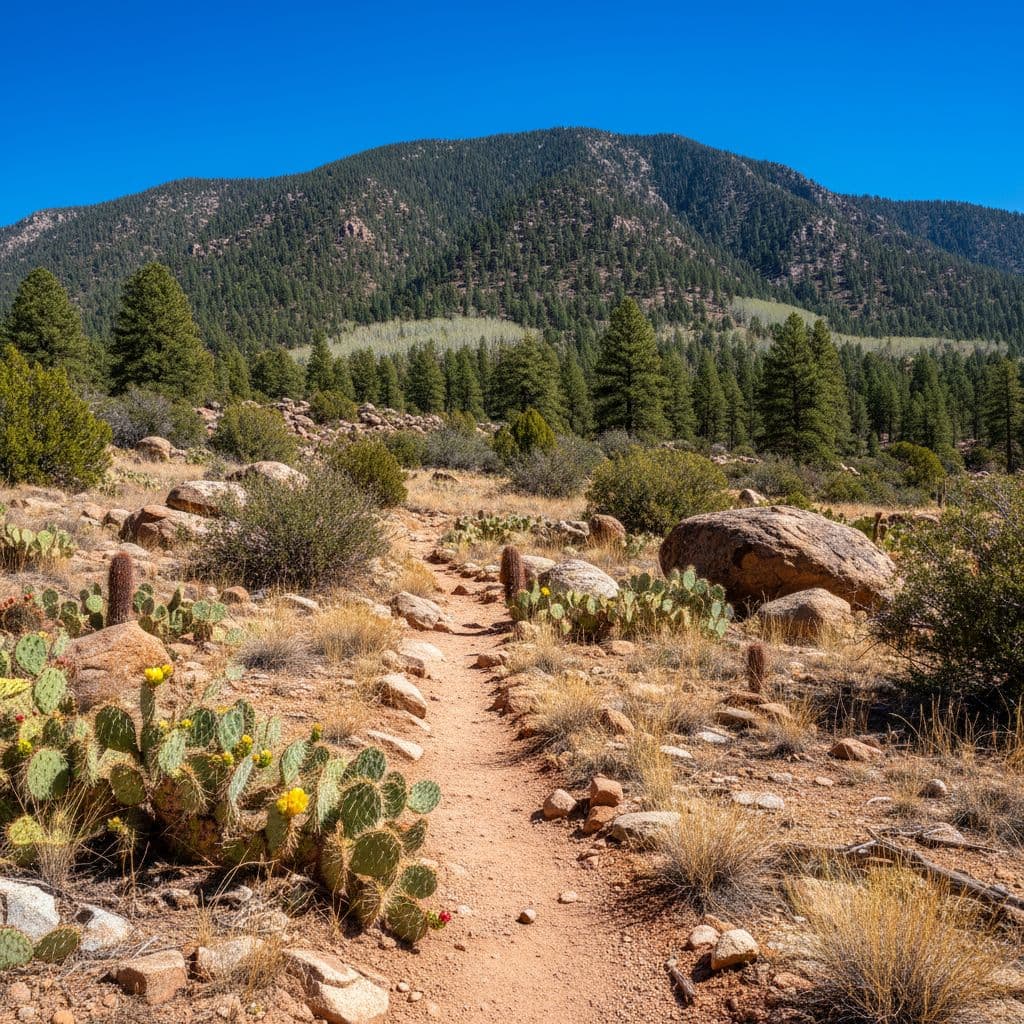
If you want one clean answer instead of a long argument, it is this: look for hikes that start dry and climb into shade. That is where New Mexico feels the most memorable.
La Luz Trail, Sandia Mountains
La Luz is the headline hike for a reason. It starts near Albuquerque and climbs hard toward Sandia Peak, with views that open up almost immediately and keep getting better as you gain elevation. The lower section feels dry and exposed. Higher up, the trail moves into cooler pine forest, and the whole mood changes.
This is a strenuous hike and not a casual stroll. It is a real climb, and it deserves an early start, steady pacing, and plenty of water. If you want the kind of hike that makes you feel like you earned the view, this is it. If you want something relaxed, skip ahead to Bear Canyon.
La Luz is one of the cleanest examples of the desert to pines transition in the state. It is also one of the best hikes in New Mexico if you want a trail that feels bigger than the mileage on paper.
Dripping Springs Trail, Organ Mountains
Dripping Springs is one of the best beginner friendly hikes in southern New Mexico because it gives you a lot without asking for too much. Located within the Organ Mountains-Desert Peaks National Monument, this out-and-back trail features sharp, rising peaks and distinct desert terrain. It is a smart pick when you want a scenic half-day instead of a mountain commitment.
For route ideas and recent trail comparisons, the Organ Mountain trail listings on AllTrails are useful. If you are based in Las Cruces and want more options nearby, this Las Cruces hike roundup adds a few strong backups.
If you are turning the southern part of the state into a bigger trip, pair it with a one-day Guadalupe Mountains itinerary. That combination gives you a clean desert peaks weekend without wasting time on random stops.
Atalaya Mountain Trail, Santa Fe
Atalaya Mountain is the Santa Fe hike I would send most people to first. It has enough climb to feel like a workout, but it does not have the full commitment of La Luz. The lower trail is open and dry, then the path works its way into pine country as you rise through the surrounding National Forest. That mix, along with the scenic views of the city below, is exactly why it lands on so many shortlists.
The views are a big part of the appeal. Santa Fe spreads out below you, the mountains pull your eyes upward, and the trail keeps its sense of place the whole way. You do not need advanced hiking skills to enjoy it, but you should be comfortable with steady uphill walking.
If you only have one Santa Fe hike in the plan, make this one a serious contender. It gives you the desert edge, the mountain air, and a satisfying finish.
Travertine Falls and South Crest Trail
This is the practical choice if you are near Albuquerque and want a hike that feels more like the mountains than the city. These local hiking trails start in foothill country and climb into a cooler, more sheltered setting. It is not as famous as La Luz, but that is part of the appeal. You get a quieter day and a more manageable climb.
I like this kind of trail when I want the mountain feel without a huge suffer-fest. You still get elevation, open views, and enough dry terrain to remind you you are in New Mexico, but the route is not as punishing as the region’s hardest climbs.
If the forecast looks warm and you still want something active, this is a smart pick. It gives you a good balance of effort and reward, which is exactly what a lot of beginner hikers are after.
Bear Canyon Trail, Hyde Memorial State Park
Bear Canyon is the trail I would keep in my back pocket for hot weather. It is shaded, forested, and noticeably cooler than the lower desert routes. That alone makes it worth knowing about. When the sun gets obnoxious, shade becomes the main event.
The hike feels gentler than the bigger summit routes, but it still has enough scenery to keep you happy. You get pine forest, canyon scenery, and scenic views that make the effort worthwhile. That makes it a good option for newer hikers, families, or anyone who wants a mountain day without a mountain-sized grind.
If you are the kind of hiker who likes birdsong more than bragging rights, this one fits. It is one of those quiet trails that sneaks up on you in the best way.
Devisadero Loop Trail, Carson National Forest
Devisadero Loop is a good choice if you want more solitude and do not mind a little extra drive time. This loop trail moves through the Carson National Forest, where you will experience different forest types and wide views over the land below. It feels less crowded than the state’s headline hikes, which can make a big difference on a weekend.
This is the kind of place where the trail itself feels like a break from the usual routine. The scenery is big, the air feels lighter, and the pace is calmer. It is not the easiest option to reach, so plan ahead and do not count on perfect cell service or instant navigation.
If your version of a good hike includes room to breathe, this one belongs on the list. It gives you the cool pines side of New Mexico without the usual trail traffic.
Williams Falls and Lake, near Taos
If you want cooler air, greener views, and a more alpine feel, Williams Falls and Lake is a strong pick. The higher elevation means the whole hike feels different from the desert edge trails farther south. You are more likely to notice creeks, meadows, and spruce than cactus or scrub.
This destination is one of the state’s premier alpine lakes and one of the better options when you want a mountain day that still feels accessible. The payoff is clear, the setting is pretty, and the temperature is often more forgiving than lower elevation routes. That matters a lot in New Mexico, where the sun can drain your energy faster than you expect.
For beginner hikers who want a scenic mountain outing without a technical route, this is a good place to land. It has the kind of high-country feel that makes you slow down for a minute and look around.
Rio Grande Gorge and Wild Rivers Recreation Area
This one is less about pine forest and more about scale. If you want dramatic high-desert scenery, deep canyon views, and a landscape that feels wide open, the Rio Grande Gorge delivers. Part of the area is designated as a Wilderness Area and the land is overseen by the Bureau of Land Management. It is rugged, stark, and a little wild in the best way.
I would choose this trail when I want big geology more than shade. It is a strong reminder that New Mexico can feel both harsh and beautiful at the same time. You may not get the same forest transition you will find on La Luz or Atalaya, but you do get that high-desert drama that makes the state so distinct.
If the goal is pure scenery, this is an easy yes. Just know what you are getting into, and bring sun protection. The views are the point here.
The easiest way to narrow the list
If you are looking for a fast way to choose your next adventure, this guide will help you sort through the best hiking trails in New Mexico. Use this table to match your preferred scenery and physical ability to the perfect route.
| Trail | Best for | Feel | Difficulty |
|---|---|---|---|
| La Luz Trail | Big climbs and huge payoff | High desert to pine | Strenuous |
| Dripping Springs Trail | Southern New Mexico day trips | Dry, scenic, approachable | Easy to moderate |
| Atalaya Mountain Trail | A classic Santa Fe hike | Open start, shaded finish | Moderate |
| Travertine Falls and South Crest Trail | Cooler Albuquerque foothills | Steady climb with views | Moderate |
| Bear Canyon Trail | Hot-weather hiking | Shady, calm, forested | Easy to moderate |
| Devisadero Loop Trail | Solitude and broad views | Remote forest mix | Moderate |
| Williams Falls and Lake | High-country scenery | Creek, meadow, spruce | Moderate |
| Rio Grande Gorge | Raw desert drama | Open, rugged, expansive | Moderate |
For a first trip, I recommend narrowing your search to the La Luz, Atalaya, Dripping Springs, and Bear Canyon hiking trails. Those four options cover the main range of the New Mexico landscape without making the decision process harder than it needs to be.
What to pack and plan for
New Mexico looks simple from the car, but the trail is where the state starts asking questions. Water, sun, and elevation can all work against you, so a little preparation goes a long way before you head out on your adventure.
- Bring more water than you think you need. The dry air tricks many hikers, and you will feel the effects quickly on exposed climbs.
- Wear shoes with reliable traction. Loose dirt, rocky steps, and steep grades are common features of these trails.
- Use sun protection even on cooler days. A hat and high-quality sunscreen are not optional on exposed trails where the sun remains intense.
- Start your journey early. The morning is the sweet spot for avoiding peak heat, capturing the best light, and securing a spot for trailhead parking. This is especially important for popular day hikes, as parking areas fill up very quickly.
- Check for trailhead parking availability online before you leave, particularly if you are planning your excursions for the weekend.
- Download your map before you arrive. Cellular service fades more often than you would like, especially once you travel outside of town.
If you want the simplest rule, make it this: choose shade or start before the heat does. That one habit solves a lot of New Mexico trail problems before they even start.
Conclusion
The best hikes in New Mexico are the ones that transform as you climb. Dry ground gives way to towering pines, open sun turns into cool shade, and the trail becomes more engaging because of the shifting landscape.
If you want a reliable recommendation, start with La Luz or Atalaya. For those looking for a slightly easier trek, Dripping Springs and Bear Canyon are excellent choices. If you prefer the quiet solitude of the high country, head toward Taos or the Carson National Forest.
That transition from desert peaks to cool pines is what makes these hiking trails memorable. It is the highlight you will recall long after you return to the parking lot, already planning your next trip to enjoy more of the incredible scenic views that define the Land of Enchantment.
FAQs
What is the best hike in New Mexico for beginners?
Dripping Springs is one of the best beginner friendly choices because it has clear scenery, a manageable feel, and a strong payoff without a brutal climb. Bear Canyon is another good option if you want shade and a calmer pace.
Which New Mexico hike has the best mix of desert and pines?
The La Luz Trail gives you one of the strongest transitions from dry desert terrain to pine forest, though it is considered a strenuous hike for many visitors. Atalaya Mountain is another solid pick if you want a slightly easier version of that same general feel.
When is the best time to hike in New Mexico?
Spring and fall are the easiest seasons for most hikers. Summer works too, but early starts matter a lot more. Higher elevation hikes can stay cooler, while low desert trails heat up fast.
What are the best desert hikes for unique landscapes?
If you are looking for otherworldly desert variety, White Sands National Park offers iconic gypsum dunes that are perfect for a casual walk. For those interested in geological formations, exploring the Bisti Badlands provides a surreal experience, while hiking near a slot canyon like Kasha Katuwe Tent Rocks National Monument offers a unique perspective on desert erosion.
What options are available for longer backpacking trips?
If you prefer long distance trekking, the Gila Wilderness and the Pecos Wilderness are premier destinations that offer deep backcountry experiences. You can also explore sections of the Continental Divide Trail if you want to tackle a portion of one of the most famous long distance trails in the country.
Are there trails with historical significance?
New Mexico is rich in heritage, and you can find wonderful trails near petroglyphs or historical sites. Visiting trails near Chaco Culture National Historical Park allows you to combine your love for hiking with a deep dive into ancestral history.
What should I bring on a New Mexico hike?
Water, sun protection, sturdy shoes, and an offline map are the basics. A light layer helps at higher elevations, especially if you start before sunrise or finish late in the day.
Are these hikes good for a short trip?
Yes. That is part of the appeal. You can base yourself in Albuquerque, Santa Fe, Las Cruces, or Taos and still get a trail that feels distinct. Pick one desert hike and one forested hike, and you will see the contrast fast.