Iowa can surprise you. One minute you’re driving through farm country, and the next you’re standing on a limestone ledge above the Mississippi or walking into a cool, shadowy cave.
The best hikes Iowa offers aren’t always long or brutal. They’re about big payoffs: bluff overlooks, rock formations, wooded ravines, and rivers that make you stop mid-trail for a minute. When you want to experience incredible outdoor recreation, the network of hiking trails in Iowa delivers scenery that feels a little wilder than people expect.
Key takeaways:
- Maquoketa Caves is the best all-around pick for caves, bluffy terrain, and family friendly exploring among top state parks in Iowa.
- Pikes Peak State Park is the clear choice for broad Mississippi River views.
- Palisades-Kepler and Pictured Rocks are better if you want quieter trails with river scenery.
- A pair of trail shoes with solid tread is usually enough, but wet limestone can get slick fast.
The Best Hikes Iowa Has for a Big Scenic Payoff
The eastern half of Iowa is where the terrain gets interesting. The Driftless Area, Mississippi River corridor, and lush river valleys have the limestone bluffs, dense woods, and rugged little ravines that flat central Iowa can’t offer. You can also explore the dramatic geological formations of Backbone State Park, the rocky canyons of Ledges State Park, the dense backcountry of Yellow River State Forest, and the towering prairie ridges of the Loess Hills in the west.
None of these hikes require serious mountain skills. That said, don’t mistake short mileage for an automatic easy day. Roots, mud, slick stone, and steep bluff-side steps can slow you down. Give yourself extra time, especially if you’re hiking with kids or stopping for photos every 30 seconds, which you probably will.
Here is the quick comparison before getting into each trail, highlighting some of the finest scenic hiking trails and recreational trails in the state.
| Hike or Park | Best Feature | Effort Level | Best For |
|---|---|---|---|
| Maquoketa Caves State Park | Caves, limestone formations, overlooks | Easy to moderate | First-time visitors |
| Pikes Peak State Park | Mississippi River bluff views | Easy to moderate | Big scenic overlooks |
| Palisades-Kepler State Park | Cedar River cliffs and forest | Moderate | A quieter river hike |
| Pictured Rocks | Bluff trails, Maquoketa River, cave access | Moderate | Off-the-radar exploring |
| Wildcat Cave Trail | Ravine, small cave, Iowa River | Easy to moderate | Short local adventure |
If you’re only doing one hike, I’d make it Maquoketa Caves. If your main goal is a huge river view, go straight to Pikes Peak.
Maquoketa Caves State Park: Iowa’s Best Cave Hike
Maquoketa Caves State Park is the obvious starting point, and for good reason. It has more caves than any other Iowa state park, plus limestone bluffs, wooded trails, a natural bridge, and enough variety to keep a short hike from feeling repetitive.
The park’s trail network covers roughly six miles, though you don’t need to hike all of it. Most visitors should focus on the main cave area and build a route around their energy level. The popular Maquoketa Caves State Park loop trails run about 1.7 miles total, making this a family friendly outing that gives you the best first look without turning the day into a project.
The landscape changes fast here. You’ll walk through forest, duck under rock overhangs, cross small bridges, and pass geological formations that look more like something you’d expect in Kentucky or southern Missouri. The 17-ton Balanced Rock is worth a stop, and the Natural Bridge sits about 50 feet above Raccoon Creek as one of the most striking natural features in the area.
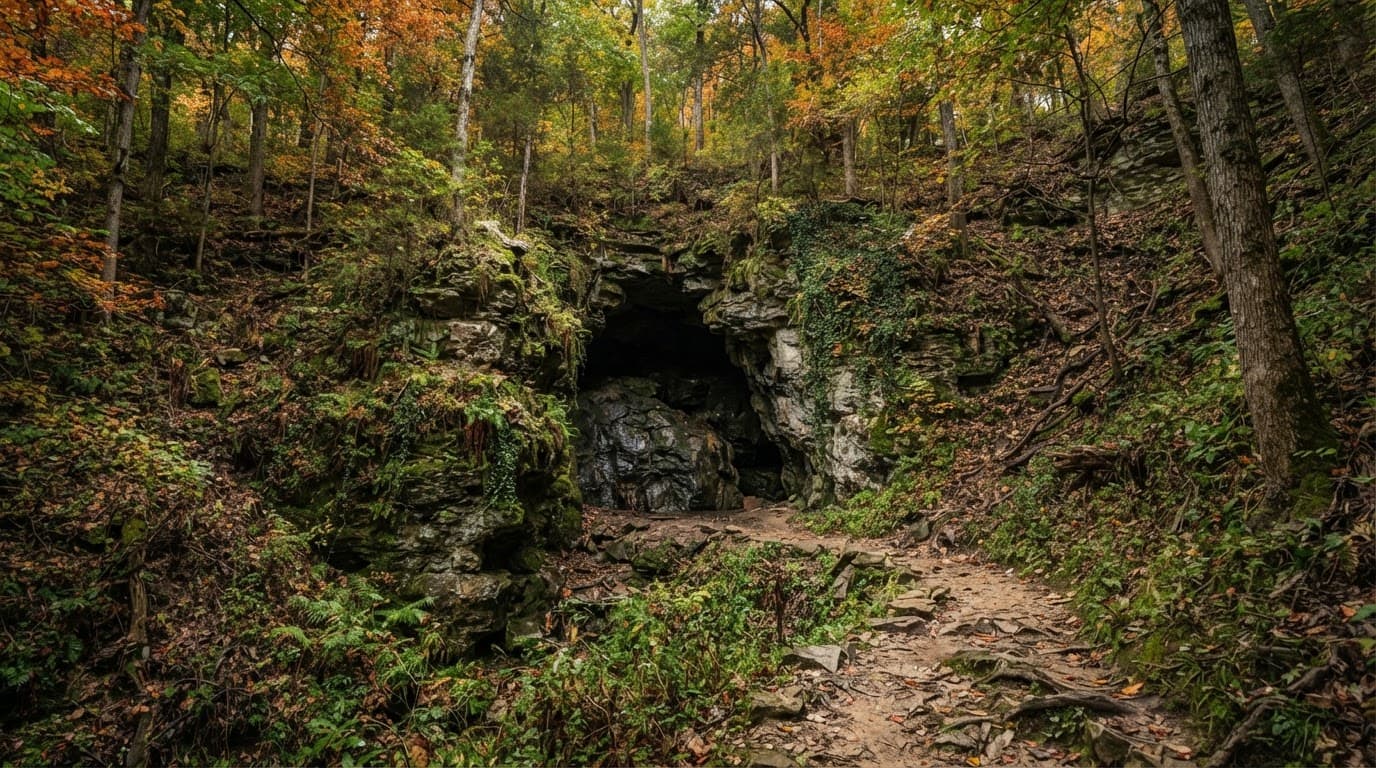
The big draw, of course, is the caves. Dancehall Cave is the famous one, a long passage that extends about 1,100 feet. Several other caves are open for self-guided exploration, but conditions can change. Before leaving home, check the Iowa DNR’s Maquoketa Caves park page for current closures, safety updates, and cave access.
Bring a headlamp or flashlight. Your phone flashlight works in a pinch, but it’s not my favorite plan when you’re stepping over uneven rock. Keep your hands free, watch the low ceilings, and don’t wander beyond areas open to visitors.
The cave sections are cooler, darker, and rougher underfoot than the surrounding trail. Treat them like a real cave, not a roadside photo stop.
For footwear, supportive trail runners work well in dry weather. After rain, I would wear hiking shoes or lightweight boots with real grip. This is not the place for flat-soled casual sneakers. If you already own a more supportive boot, something like the lightweight La Sportiva Nucleo High II GTX makes sense for wet rock and muddy approaches, though its narrower fit won’t work for every foot.
Pikes Peak State Park for Mississippi River Bluffs
Pikes Peak State Park near McGregor has one of those views that makes the drive worth it before you even start walking. The park sits high above the Mississippi River, with overlooks from bluffs that rise roughly 500 feet above the water.
This is one of the best hikes in Iowa for beginners who want a scenic reward without committing to an all-day climb. Pikes Peak State Park has more than 11 miles of trails, but the main goal is simple: get yourself to Point Ann.
Point Ann is the signature overlook. It provides beautiful views over wide river valleys, with wooded ridges, broad water, and Wisconsin’s hills across the way. Go early if possible. Morning light is better, the parking situation is easier, and you get a calmer trail before the day picks up.
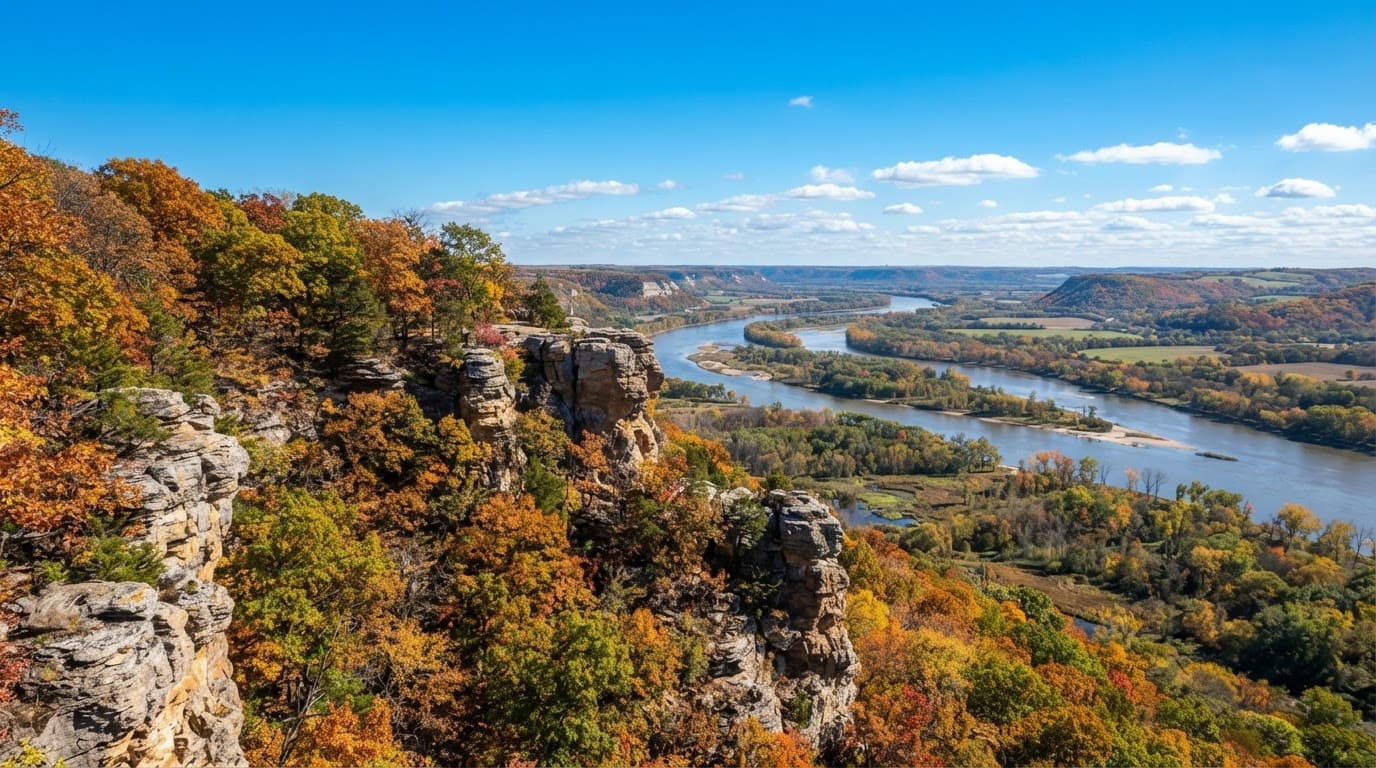
The Point Ann Trail is often described as a roughly four-mile outing, depending on where you begin and which connectors you use. That sounds manageable, and it is, but some sections have enough grade to get your legs working. Take your time on the return uphill. Nobody hands out medals for racing back to the lot.
Bridal Veil Falls is a good add-on when water levels cooperate. The short walk is about 0.6 miles round trip and gives you a second payoff with very little extra effort. The parking area is small, though, so arrive early on a warm weekend or keep it as a backup.
Pikes Peak works especially well in fall, when the river valley turns gold and rust. Spring can be great too, but trails may be muddy after rain. Summer is fine if you start early and bring enough water. The bluff overlooks can feel much hotter than the shaded sections in the woods. For hikers wanting even more rugged woods near the Mississippi, nearby spots like Yellow River State Forest make a great extension to the trip.
For another Midwest trip built around cliffs and big-water scenery, these Illinois canyon hikes are a strong next stop. Starved Rock and Mississippi Palisades offer a different kind of bluff country, with sandstone canyons and river overlooks.
And if you want open prairie and limestone bluffs instead, these best Kansas hikes are a scenic option west of the Mississippi. For the same wide-open plains country in the next state over, check out my best Nebraska hikes for bluffs, prairie, and river views.
Palisades-Kepler State Park: Cedar River Cliffs Without the Crowds
Palisades-Kepler State Park stands out as one of the quieter state parks in Iowa for hikers who’d rather trade famous overlooks for a peaceful day in the woods. It’s near Mount Vernon, follows the Cedar River, and has the kind of rugged trail that feels better the farther you get from the parking lot.
The Cedar Cliff Trail is the one to prioritize. At about 1.4 miles, it isn’t a huge mileage day, but it gives you forest, steep river bluffs, exposed rock, and regular views down toward the Cedar River. This route showcases some of the most scenic hiking trails in Iowa, though it can feel more rugged than its distance suggests, especially after wet weather.
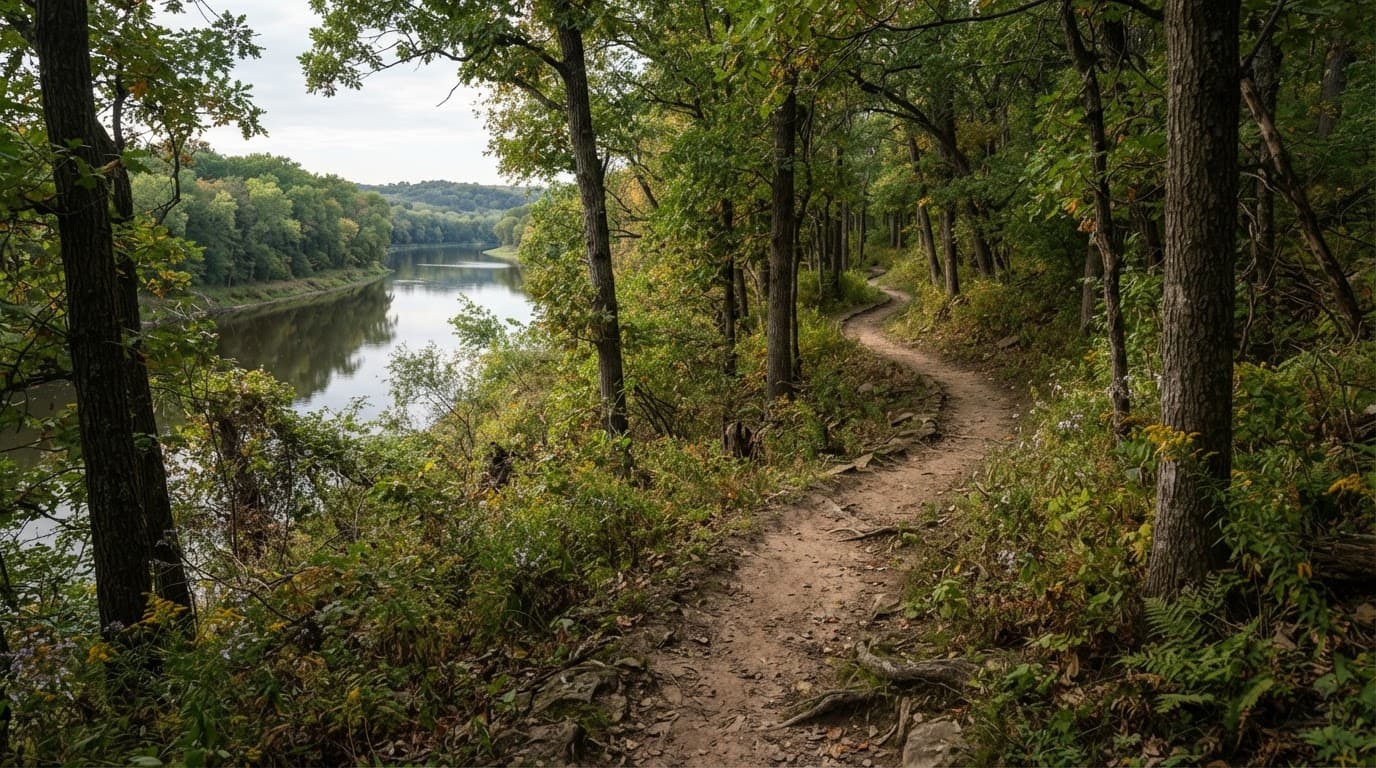
Don’t come expecting a big, walk-through cave system like Maquoketa. Palisades-Kepler has smaller rock pockets and rugged cliff features, but the river bluffs are the main event. It’s more of a forest-and-water hike, with a little limestone character mixed in.
This is a good park for a slow pace. As you explore the quiet nature areas along the water, listen for the river, take the side paths that lead toward overlooks, and keep your phone handy for offline maps. Trail junctions are manageable, but the wooded terrain can make everything look similar once you get moving.
If you’ve got a dog, bring a leash and plenty of water. The trails can be rooty, and the bluff edges aren’t a place to let a pup roam ahead, especially when you are stopping to enjoy some quiet wildlife viewing in the timber.
Pictured Rocks and Wildcat Cave for a Less Obvious Adventure
Want a hike that feels like a local secret? Put Pictured Rocks near Monticello on the list. This Jones County nature area has bluff trails above the Maquoketa River, wooded paths, small caves, and a setting that feels more remote than it is.
Windy Point is the scenic target. The overlook looks down toward the river, with limestone walls and dense tree cover filling the valley. It is not a massive developed state park, which is part of the appeal. You get a more low-key outing, but you also need to arrive prepared. If you want to expand your trip, iconic spots like Backbone State Park offer incredible ridge views near Richmond Springs and the Devil’s Backbone, while Ledges State Park features dramatic sandstone walls and Pea’s Creek ravines.
There is an Indian Bluff Cave in the area, but access requires a permit through the Jones County Conservation Administrative Office. Don’t assume you can show up and head underground. Check the current rules first, and respect any seasonal closures or posted restrictions.
Road access may close in winter. The area is generally open daily from early morning until late evening, but that is one of those details worth confirming before you drive out. Iowa trails change quickly with storms, maintenance, and wet-weather damage.
Wildcat Cave Trail in Hardin County is another short option that punches above its weight. The loop is around 1.5 miles and follows a ravine toward the Iowa River. A small cave sits about 15 feet up the slope, and another cave-like opening appears near the upper section of the ravine.
This is not a destination for a giant cavern or a long bluff walk. Think of it as a compact adventure when you want something different from a typical woodland loop. For other unique terrain, you can explore the steep prairie ridges of the Loess Hills in western Iowa, or check out regional favorites like Brown’s Woods and Chichaqua Bottoms Greenbelt near Des Moines. Longer stretches for walking and cycling are also easy to find on the Raccoon River Valley Trail or the Wabash Trace Nature Trail. A flashlight helps on cave trips, and you will want shoes that can handle mud if the area has had rain.
For a broader look at trail conditions and recent hiker reports before heading out, Iowa trail listings on AllTrails can help you spot mud, closures, and parking notes. Just don’t let an app replace common sense once you are on the trail.
How to Plan These Iowa Hikes Without Overthinking It
The best hikes Iowa has for bluffs and caves are most enjoyable in spring, fall, and cool summer mornings. Fall is the easy winner for color and comfortable temperatures, making it a prime season for outdoor recreation. Spring brings better water flow and fresh green woods, but muddy trails are more likely.
Summer works if you start early. Iowa humidity can make a two-mile hike feel longer than it should, especially on exposed bluff overlooks. Carry more water than you think you need, wear sunscreen, and don’t underestimate bugs near rivers and creeks. Always check local trail conditions on regional recreational trails after heavy rainfall.
For a straightforward day hike, pack the basics:
- Bring at least one liter of water per person, plus more on hot days.
- Wear shoes with tread, especially if limestone or muddy ravines are part of the route.
- Carry a small headlamp for any cave area, even if you expect to finish before dark.
- Download an offline map because cell service can disappear in valleys and wooded parks.
- Pack a light layer in spring and fall, since caves and shaded river bottoms stay cool.
You don’t need heavy backpacking boots for most of these trails. Trail runners or hiking shoes are the sweet spot for dry conditions. If rain is in the forecast, waterproof footwear can be worth the extra warmth and weight, especially at Maquoketa Caves. Combining short spur paths with longer loop trails ensures a well-rounded hiking experience across different terrain types.
The other planning move is simple: don’t stack too much into one day. Maquoketa Caves and Pikes Peak are each worth a dedicated visit. Trying to rush both turns a fun outdoor day into a windshield tour.
Final Thoughts
Iowa’s best scenery isn’t always visible from the highway. Get on a trail, and the state starts showing off limestone caves, bluff-top overlooks, wooded ravines, and wide river valleys.
Exploring these top state parks in Iowa delivers some of the most scenic hiking trails in the Midwest, proving just how varied hiking trails in Iowa can be. Start with Maquoketa Caves if you want the most variety. Pick Pikes Peak when a Mississippi River view is the whole point. Either way, bring decent shoes, a light, and enough time to experience the best hikes Iowa has to offer.
Frequently Asked Questions
What is the best cave hike in Iowa?
Maquoketa Caves State Park is the best cave hike in Iowa. It has a roughly six-mile trail system, multiple caves, limestone formations, scenic overlooks, Balanced Rock, and the Natural Bridge. The main loop is manageable for most beginners, but a flashlight and shoes with traction are smart.
What Iowa hike has the best Mississippi River views?
Pikes Peak State Park near McGregor is the best choice for Mississippi River views. Point Ann is the park’s signature overlook, sitting high above the river valley with views across to Wisconsin.
Are Iowa bluff hikes good for beginners?
Yes, many are. Pikes Peak State Park and Maquoketa Caves State Park are both solid beginner options because you can choose shorter routes and still see the headline scenery. Take your time on steps, muddy slopes, and wet limestone.
Do I need hiking boots for Maquoketa Caves?
Not always. Trail runners or hiking shoes with good tread are fine in dry conditions. Wear waterproof hiking shoes or lightweight boots after rain, since cave entrances and limestone sections can be slick.
Can you hike into caves at Maquoketa Caves State Park?
Several caves are open for self-guided exploration when conditions allow. Access can change because of weather, maintenance, or wildlife protection, so check the Iowa DNR’s current park updates before making the trip.
When is the best time to hike in Iowa?
Fall is the sweet spot for bluff hikes, with cooler temperatures and colorful river valleys. Spring is also excellent for green woods and flowing creeks, though mud is more common. In summer, start early before the heat and humidity build while exploring hiking trails in Iowa, including spots like Backbone State Park, Ledges State Park, Yellow River State Forest, and the Loess Hills.