The smartest Enchantments trip starts with choosing where you can camp, before you fall in love with a route. The overnight permit determines your camping options, and winning one doesn’t make the steep terrain beginner-friendly.
I recommend planning around your group’s ability, then building a backup that doesn’t depend on lottery luck. Start with the permit rules, because they shape everything else.
Key Takeaways
- Overnight permits are required May 15 through October 31, and most permits limit camping to one zone.
- A Core Enchantment Zone permit allows camping in any of the five zones, giving you more itinerary flexibility.
- Applicants should try the advanced lottery, watch for cancellations, and keep a separate hiking plan ready.
- Save Aasgard Pass for conditions and fitness you can handle, even if you’ve secured a permit.
Enchantments Permit Basics: Season and Fees
Overnight permits versus day-use permits
The Enchantments sit in Washington state’s Alpine Lakes Wilderness near Leavenworth. During the May 15 through October 31 permit season, overnight wilderness backpacking requires an authorized permit.
Day hikers use a separate, free, self-issued wilderness permit. You don’t need to win the overnight lottery for a day visit, but you still need to follow wilderness rules.
Check the Forest Service overnight permit requirements before choosing dates. Outside the quota season, winter conditions can make access much harder. November isn’t an easy permit workaround.
What you’ll pay
The advanced lottery application fee is $6 and is non-refundable. If successful, you’ll pay $5 per person per day, rather than per night.
For two hikers spending three days, the recreation fee is $30, plus the $6 application fee. Applicants should budget separately for parking and transportation.
A Northwest Forest Pass covers applicable trailhead parking, not permission to camp. Check the requirements for your exact parking area. Buying a parking pass doesn’t replace either wilderness permit.
Choose Your Permit Zone Before Planning the Route
A single-zone permit authorizes camping only in that zone. The Core Enchantments permit is the exception, allowing camping in all five zones.
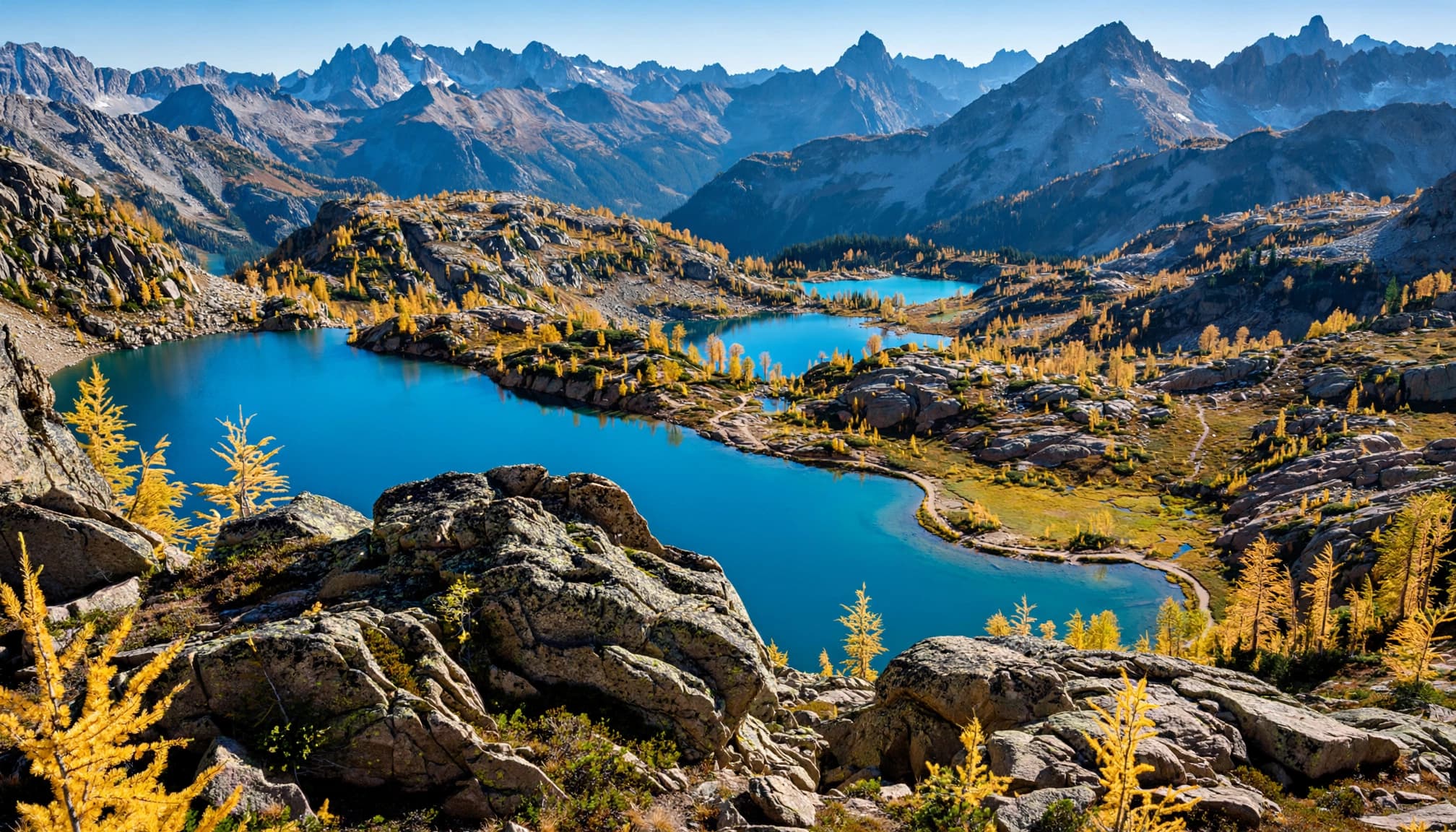
Applicants should choose a zone before planning a route. Here’s how I’d compare the options for a first trip.
| Permit zone | Best fit | Main planning consideration |
|---|---|---|
| Core Enchantments | A multi-day crossing or flexible alpine itinerary | Most demanding terrain and strong competition |
| Colchuck Zone permit | A lake-focused overnight | Camping is limited to this zone |
| Snow Lake | A Snow Lakes approach and base camp | Long, sustained uphill access |
| Stuart Lake | A forest-and-lake backpacking trip | Doesn’t include overnight camping at Colchuck |
| Eightmile/Caroline | A separate lake-based itinerary | Doesn’t provide overnight access to the Core |
For beginners, I’d look seriously at Stuart Lake or Eightmile before building everything around the Core. Having said that, each still requires preparation and current trail information.
Colchuck is a beautiful destination by itself. A Colchuck Zone permit doesn’t require you to climb Aasgard Pass, but it doesn’t authorize overnight stays outside the zone.
A Colchuck Zone permit lets you visit other zones during the day, but you must return to your authorized zone to camp.
How the Advanced Permit Lottery Works
Put the application and acceptance dates on your calendar
The 2026 advanced lottery opened February 15 at 7:00 a.m. Pacific Time and closed March 1 at 11:59 p.m.
Results arrived March 17. Winners had March 17 through March 31 to confirm and pay the lottery application fee. Unclaimed awards returned to first-come booking through the booking system April 1 at 7:00 a.m. Pacific Time.
Those dates have passed for 2026. Applicants planning a future trip should check the posted calendar on the Recreation.gov advanced lottery page rather than assuming deadlines will stay unchanged.
Set an acceptance reminder, too. Winning isn’t the final step.
Keep your expectations realistic
Forest Service lottery data puts success typically below 10%. That broad success rate doesn’t predict an individual applicant’s odds for a specific zone or date.
Applicants should choose dates they can genuinely use. Flexibility gives you more workable options, but there’s no guaranteed winning strategy.
Group size tops out at eight people. Applicants can’t combine separate permits to travel or camp together in larger parties.
I wouldn’t book non-refundable travel around an application. Applicants should secure the permit before committing to the expensive parts.
Cancelled Permits and the Daily Lottery
Separate cancellations from the April release
Unclaimed lottery awards and cancelled reservations enter the booking system differently.
The April 1 release handles awards that winners didn’t confirm. Confirmed cancellations put cancelled permits back on Recreation.gov immediately, at unpredictable times, rather than joining the April release in the booking system. There isn’t a reliable daily cancellation drop to wait for.
Applicants should check the dates and zones they can use. If availability appears, applicants should confirm it matches their trip, including the intended zone, such as a Colchuck Zone permit.
Smaller groups may fit available capacity more easily, but an opening still has to match your trip.
If you book, review the entry date, zone, group size, and leader immediately. Don’t build your itinerary around a reservation you haven’t confirmed.
Use the daily lottery as a flexible backup
Recreation.gov also offers an Enchantments daily lottery. Check its current application timing, location requirements, and acceptance deadline before driving to Leavenworth.
Don’t rely on older accounts of showing up at the ranger station for a walk-up drawing.
This option makes more sense when you’re already nearby and can change plans. If you need certainty for flights, time off, or a larger group, keep another destination ready.
A Practical Core Enchantments Itinerary
The popular thru hiking route starts at Stuart Lake Trailhead, climbs past Colchuck Lake and over Aasgard Pass, then exits at Snow Lakes Trailhead.
It’s roughly 18 miles one-way with about 4,500 feet of climbing. The long descent adds plenty of work, too.
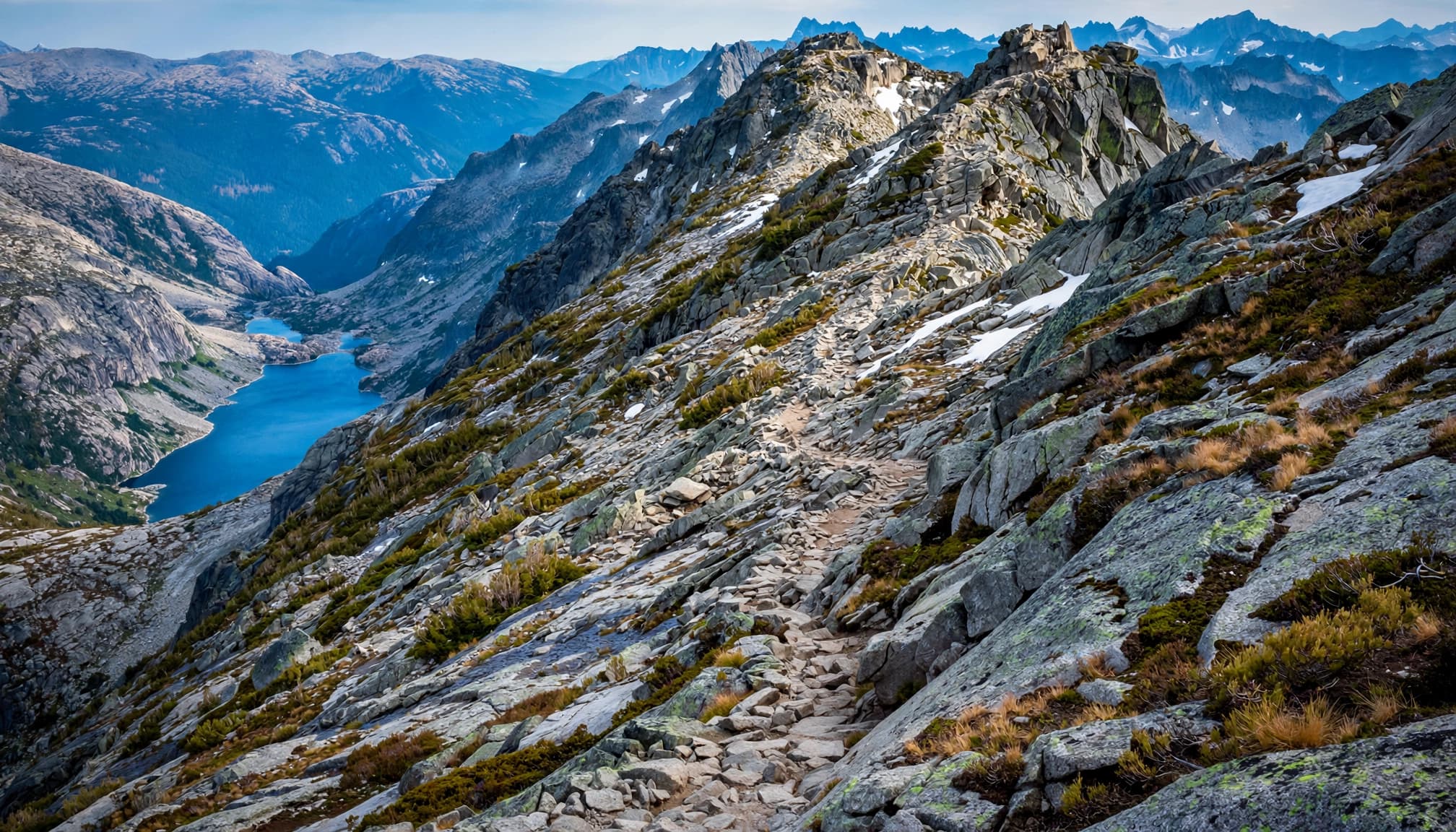
Give the crossing enough time
For a prepared group with a Core permit, I’d consider this four-day outline in suitable conditions. A Colchuck Zone permit doesn’t cover camping throughout the crossing.
- Hike to Colchuck Lake and camp within its zone on an established, vegetation-free site.
- Make the ascent early, then choose an established campsite inside the Core.
- Continue through the basin and descend to camp in the Snow Lake Zone.
- Finish the descent to Snow Lakes Trailhead.
This is a suggested itinerary, not an official route requirement. Adjust it to conditions and your group’s pace. Extra days don’t remove the difficulty of Aasgard.
Sort transportation before hiking
The trailheads are different, so arrange two vehicles or a confirmed ride. Verify pickup times, access, and road conditions before leaving town.
I prefer arranging transportation before the hike rather than hoping to find a ride afterward. Expect tired legs and limited communication options.
Save offline maps and share your route, vehicle details, and expected return time with someone at home. Before committing to the ascent, decide what conditions would make your group turn back.
Campsites and Wilderness Rules That Matter
Your permit doesn’t reserve a tent pad
A Colchuck Zone permit authorizes camping only within that zone, not at a specific campsite.
Choose previously impacted, vegetation-free sites. Don’t pitch your tent on fragile alpine plants just for a better lakeside view. Your group must camp together at one site.
Allow time to find a suitable spot within your authorized zone. Even with a Colchuck Zone permit, an established campsite may be occupied when you arrive.
Secure food and scented items, give mountain goats space, and use backcountry toilets where available. Pack out all trash, including food scraps.
Bring the paperwork and skip the fire
The leader must carry an Enchantments permit that’s printed and signed, plus valid photo ID. An unsigned permit displayed on your phone isn’t valid. Online printing becomes available within 14 days of your start date.
Fires are prohibited above 5,000 feet and within half a mile of any lake. Wood- or solid-fuel stoves aren’t allowed above 5,000 feet either.
Use a permitted gas or liquid-fuel stove, and check current restrictions before departure.
Dogs and other pets are prohibited, except qualifying service animals. Plan ahead if your usual hiking partner has four paws.
Weather, Fitness, and Backup Hikes
Late summer into early fall is generally the most practical window for hikers who want dry alpine trails. Snow can linger well into summer, while fall brings colder nights and possible early storms.
Golden larches are a bonus, but don’t let foliage timing outweigh the forecast.
Aasgard Pass requires serious caution when snow-covered. The Forest Service advises against attempting it without the preparation and equipment for steep snow travel. Microspikes alone don’t make every snowy slope safe.
Check official conditions, then compare recent Washington Trails Association and AllTrails reports. Look at report dates and photos, not just star ratings.
For a newer backpacker, I recommend building experience on shorter routes first. The Mount Rainier Paradise hiking itinerary offers a way to choose a suitable outing when conditions cooperate.
If the permit doesn’t happen, consider a separate beginner-friendly North Cascades day trip. It’s a different destination, so account for driving and seasonal access.
A failed lottery application shouldn’t become an unpermitted thru hiking attempt or an unprepared Core day hike.
Frequently Asked Questions
Do I need an Enchantments permit for a day hike?
You need a free, self-issued wilderness permit, not a lottery-issued overnight permit. The Forest Service Enchantments area guidance explains day-use requirements. A day permit doesn’t authorize sleeping in the wilderness, even if you’re exhausted or running late.
Can I visit the Core with a Colchuck Zone permit?
Yes, you can travel across zones during the day. However, a Colchuck Zone permit only authorizes camping in the Colchuck Zone. You’ll need enough time and energy to return there. Don’t treat this as an easy way to squeeze the Core into an overnight trip.
Can someone sell or transfer their permit to me?
Permits are non-transferable. A Colchuck Zone permit can’t be sold or transferred to you, and a friend’s reservation doesn’t become yours if they cancel. The authorized leader must meet the permit requirements. Watch the official booking system for released availability, and confirm your own reservation before planning around it.
Build the Trip Around the Permit You Have
The right Enchantments trip matches your authorized camping zone, fitness, and expected conditions. A lake-focused overnight may suit you better than a Core Enchantments trip.
Secure the permit, confirm transportation, and keep a workable backup. You’ll enjoy those alpine lakes more when your plan leaves room for good decisions.