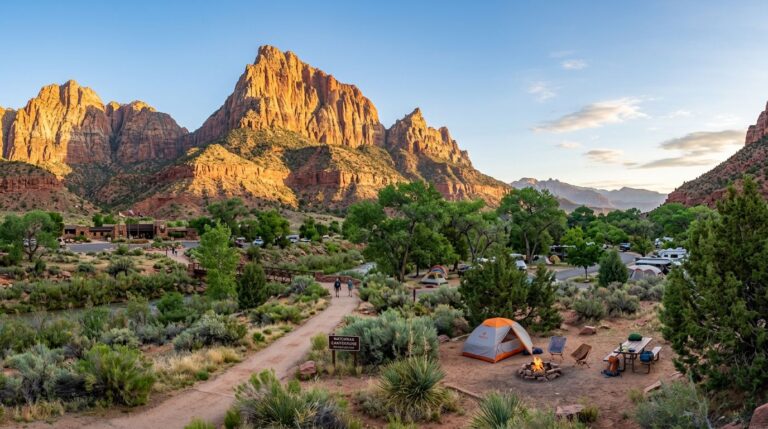
If I only had one day at Great Sand Dunes National Park in Southern Colorado, I’d keep it simple. I’d climb the tallest sand dunes in North America early, rest before the heat builds, and save Medano Creek for later. That order works because the sand gets hot, the wind often picks up in the afternoon, and tired legs don’t climb well.
This Great Sand Dunes itinerary is the one day itinerary I’d hand to any beginner hiker. It cuts out the guesswork, keeps the best scenery up front, and leaves room for the park’s most playful stop when water is flowing.
Key takeaways
- Best order: dunes first, creek second
- Best creek season: late May to early June, in most years
- Best start time: 7 to 9 a.m. for cool sand and calmer air
- Important March 2026 note: Medano Creek is dry right now, so plan around dune hiking, not splashing
Start early and make the dunes your main event
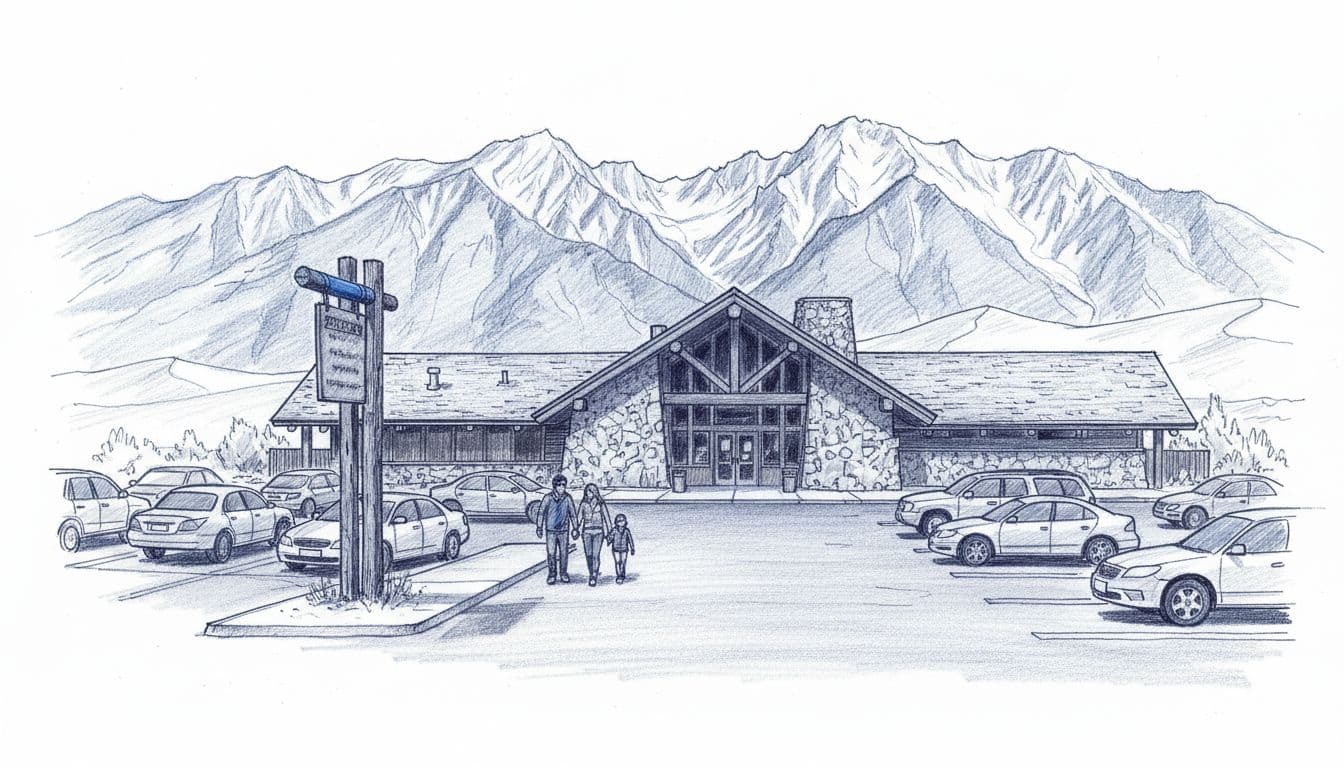
I like to begin at the Visitor Center for a quick reset, restroom stop, and last-minute condition check. If you want to rent sandboards and sleds, visit the Great Sand Dunes Oasis before entering the park. Then I head straight to the Dunes Parking Area and get moving before the sand temperature climbs too high.
For most first-timers, I recommend aiming for the first high ridge or High Dune, not trying to crush the biggest route in the park. Star Dune makes for a more challenging alternative for experienced hikers. Walking on dunes feels a bit like climbing a stair machine made of loose flour. You gain ground, then slide half of it back. So I’d rather keep the goal fun than heroic.
My rule is simple: get your hardest walking done before lunch.
In March 2026, current conditions are cool but tricky. Afternoons often get windy, and mornings are the better window for dune climbing. That timing matters more than people think. A late start can turn a beautiful outing into a slog with soaring sand temperature.
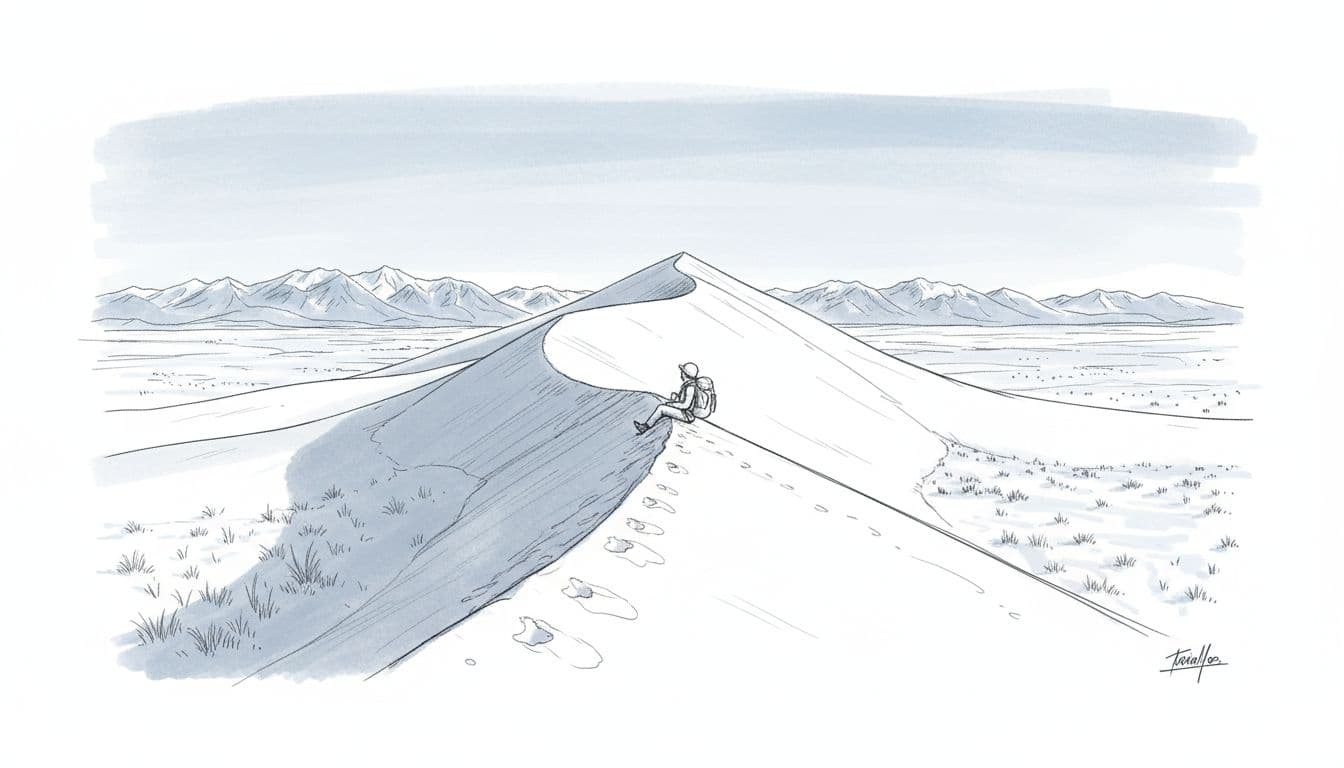
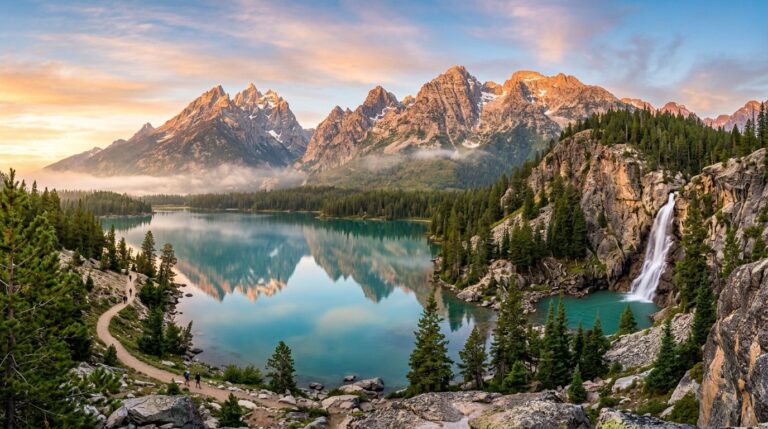
Once I reach a ridge, I slow down and enjoy the view. You get the dunes, the valley, and the Sangre de Cristo Mountains all in one sweep. That contrast is what makes this park special. If you’re building a bigger Colorado trip, my guide to Rocky Mountain National Park day hikes can help with the same early-start, weather-first planning style.
Fit Medano Creek into the warmest part of the day
When Medano Creek is flowing, this is the easiest win in the park. You’ve already done the hard work, so now you get a shallow, beach-like break right at the base of the dunes. Kids love it, tired hikers love it, and honestly, I love it too.
That said, timing matters. According to the official Medano Creek updates, the creek is dry at the main dunes area right now, as of March 2026. In most years, the sweet spot is mid-May through early June, when snowmelt sends water across the sand. If that’s the experience you want, I’d plan the trip around that short window.
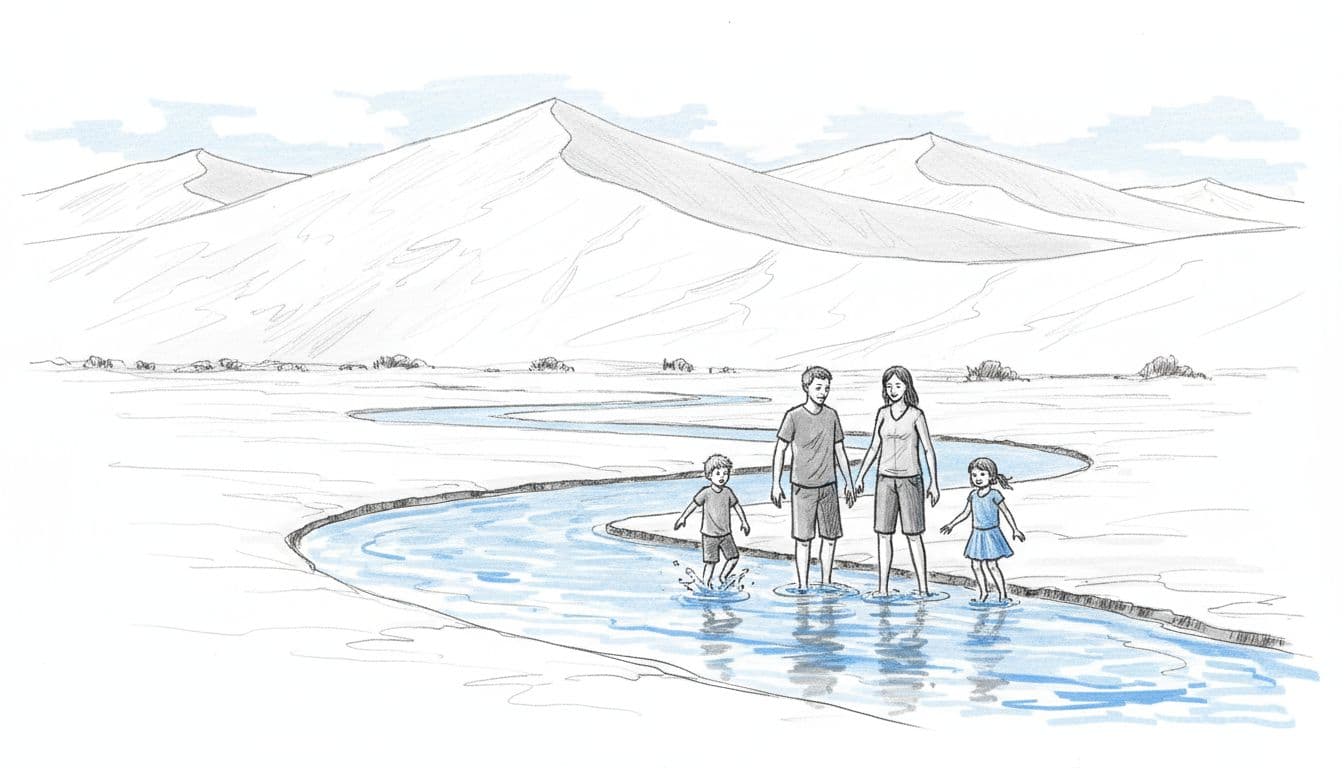
If the creek is running, I’d use late morning or early afternoon for wading, relaxing, and eating lunch in Great Sand Dunes National Park. Bring sandals or water shoes, because barefoot walking on mixed sand and shallow water gets old fast. On the other hand, if the creek is dry or low, head straight into sandboarding and sand sledding on the dunes, or try the short Zapata Falls hike just outside the park entrance for a refreshing alternative. After your creek visit, swing by Alamosa Colorado for dinner or supplies.
I also like comparing my plan against another traveler’s pacing, and this one-day Great Sand Dunes recap is a helpful reality check.
My simple one-day schedule, plus what I’d pack
Here’s the version I’d actually use.
| Time | What I’d do |
|---|---|
| 7:30 to 8:00 a.m. | Visitor Center, bathrooms, water, quick conditions check |
| 8:00 to 10:30 a.m. | Hike the dunes, aim for a ridge or High Dune |
| 10:30 to 11:30 a.m. | Rest, snack, photos, change shoes if needed |
| 11:30 a.m. to 1:30 p.m. | Medano Creek if flowing, or picnic break at the dune base |
| After 1:30 p.m. | Short scenic stop, Visitor Center, then head out before wind builds |
The takeaway is simple: front-load the effort and keep the second half loose.
My pack list stays basic. I bring more water than I think I need, especially to prevent altitude sickness at this high elevation, along with sunglasses, sunscreen, a hat, snacks, and a light layer. Wind can make a mild day feel rough in a hurry. In March, I’d add a warmer layer because mornings stay cold, even when the sky looks friendly.
One more thing, if traveling with kids, check out the Junior Ranger program. I wouldn’t over-plan this park. Great Sand Dunes is best when I give it a clean structure, then leave space to sit, stare, and let the place do its thing.
Final thoughts
The best one-day visit here isn’t the longest one. It’s the one that matches the park’s rhythm. I’d hike early, stay flexible, and treat Medano Creek as a seasonal bonus, not a guarantee. Consider lingering into the evening too, since this International Dark Sky Park delivers prime stargazing on clear nights. If you time it well, Great Sand Dunes National Park feels half mountain park, half sandbox, and all kinds of memorable.
FAQs
Is one day enough for Great Sand Dunes National Park?
Yes, for most beginners, one day is enough. I can hike the dunes to spots like Hidden Dune for solitude, rest, and enjoy Medano Creek in a single visit if I start early.
When does Medano Creek usually flow?
Most years, the best flow is from mid-May to early June. The exact timing changes with snowpack, so I always check current status before driving out.
Is this park good for beginner hikers?
Yes, as long as you respect the sand, heat, and wind. I think it’s one of the most beginner-friendly parks because you can turn around whenever you want and still get huge views, or take a break on the Montville Nature Trail.
What if I visit in March?
Plan around the dunes, not the creek. As of March 2026, Medano Creek is dry near the main parking area, and afternoons can get windy, so morning is your best window.
What are the entrance fees?
It’s $25 per vehicle for a 7-day pass, but I recommend the America the Beautiful Pass if you visit multiple parks, as it covers entrance for a full year.
Where can I camp in the park?
Piñon Flats Campground has developed sites with restrooms and water, perfect for families. For more adventure, backcountry camping lets you stay among the dunes with a free permit.
Do I need a 4WD vehicle?
No for the main areas, but if you want to drive Medano Pass Primitive Road, a 4WD high clearance vehicle is essential, especially past the Point of No Return where the road gets rough.