Most families don’t need a bigger hike. They need a better one. If you’re searching for the best family-friendly hikes USA families can actually enjoy, start with short trails that feel rewarding fast.
The rule is simple: if the view takes too long, the trail is working against you. The best family hikes feel like a highlight reel, not a test of patience, knees, or snack supply.
Here’s the filter that keeps a day outside low-stress. For more entry-level options beyond the picks below, the best beginner hikes in the USA and these easy national park hikes are both good companions to this list.
Key takeaways
- Pick hikes with short mileage, usually under 3 miles round trip.
- Prioritize a fast payoff, like a waterfall, canyon wall, river, or giant trees.
- Look for an easy turnaround, because flexibility matters more than pride.
- Spring tends to favor parks like Zion, Yosemite, and the Smokies for beginner families, when temperatures are mild and waterfalls run strong.
What makes a hike truly family-friendly
A family-friendly trail is not simply an easy trail. It also has to be predictable. The best ones offer clear footing, simple navigation, and scenery that shows up before boredom does. Bathrooms nearby help. Shade helps more than people admit. So does a trail that still feels fun if you have to turn around halfway.
The word “easy” doesn’t tell the whole story on its own. A trail can be short and still feel annoying if it’s steep, crowded, or exposed. Screen for three things first: low elevation gain, obvious route-finding, and low consequences if someone gets tired early.
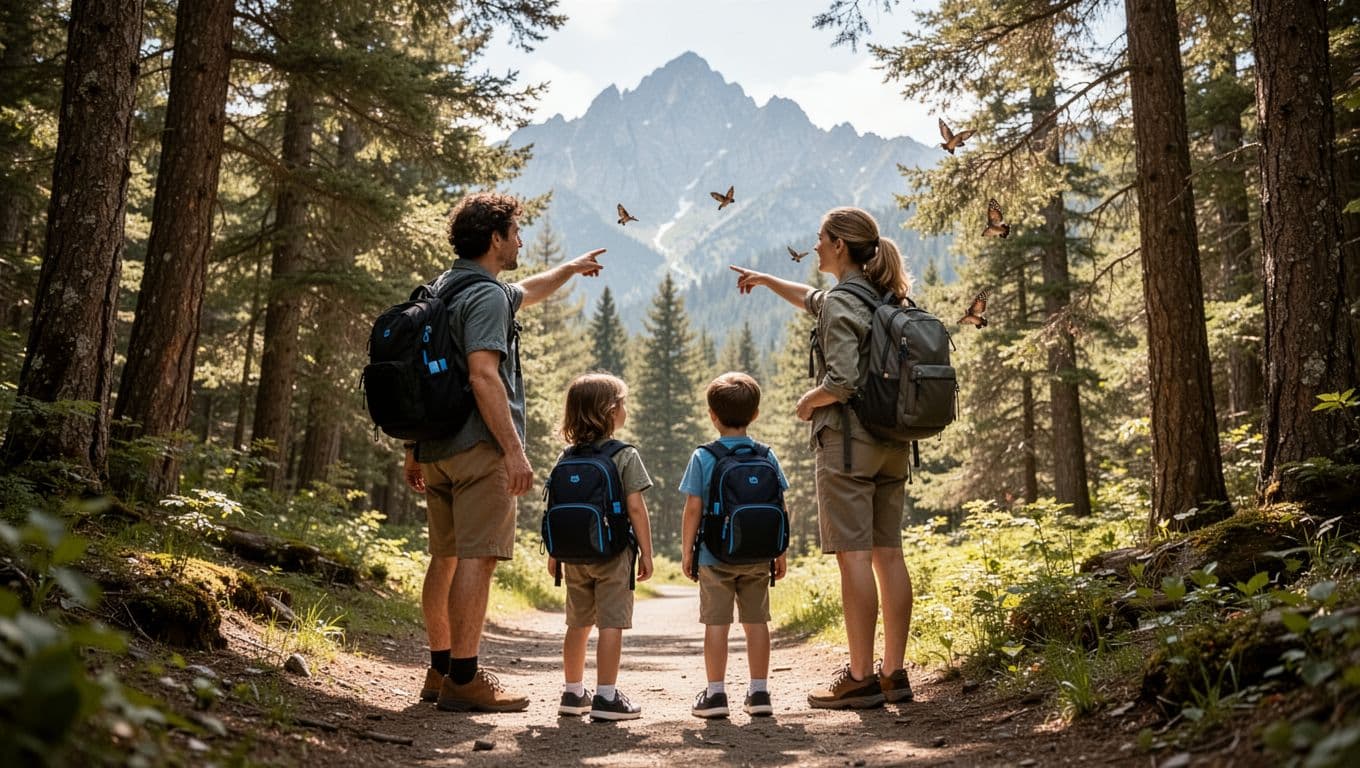
With kids, the best trail is the one that still feels fun on the walk back.
Be skeptical of “stroller-friendly” claims, too. Paved doesn’t always mean smooth, and smooth doesn’t always mean pleasant in crowds. With toddlers, a carrier is often the safer bet unless the path is wide and flat the whole way. When a stroller is the plan, this guide to the best stroller-friendly trails in the USA is worth a look first.
That’s why riverside walks, short waterfall loops, and mellow lake paths beat famous summit trails for most families. Kids remember splashing water, spotting lizards, and hearing a waterfall. They rarely remember how many miles they hiked, unless it was too many.
The trails to recommend first
Here’s the quick version before the details.
| Hike | Park | Why it works |
|---|---|---|
| Riverside Walk | Zion | Paved, dramatic canyon views, easy turnaround |
| Lower Yosemite Fall | Yosemite | Huge payoff within minutes |
| Jordan Pond Path | Acadia | Calm loop, boardwalk sections, mixed-age friendly |
| Cataract Falls Trail | Great Smoky Mountains | Short, shady, and creek-filled |
| Capitol Gorge Trail | Capitol Reef | Flat sandy canyon with room to explore |
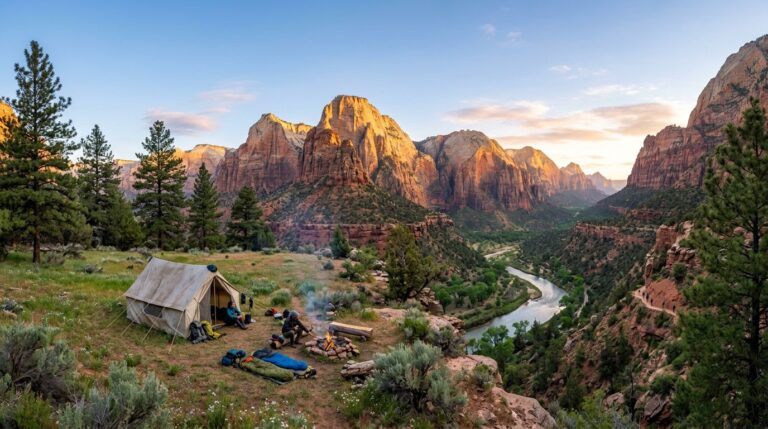
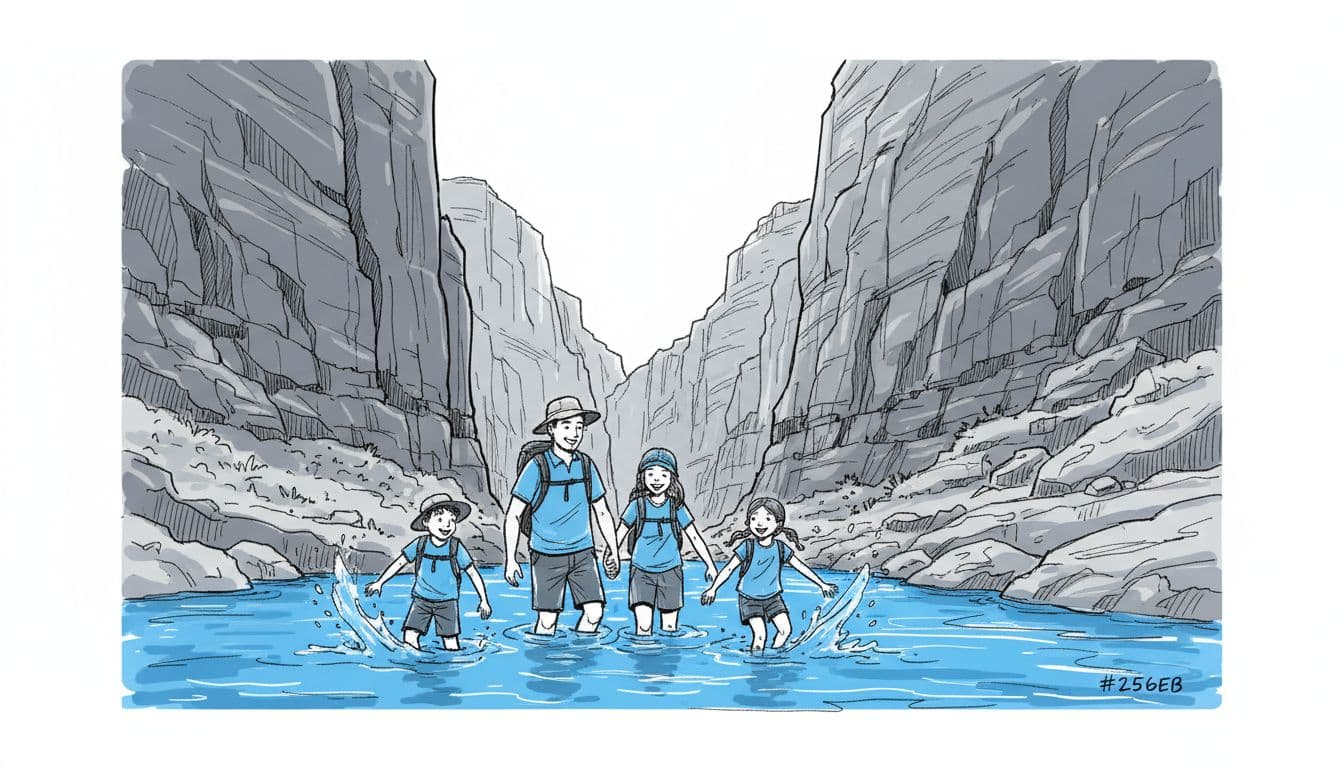
Riverside Walk in Zion is the safest “this will work” recommendation on the list. The paved path runs about two miles round trip along the Virgin River, the canyon walls do all the heavy lifting, and kids feel like they’re inside a nature movie. To keep the shuttle logistics simple, use this Zion with kids itinerary as a planning base, then preview the trail with this Riverside Walk family guide.
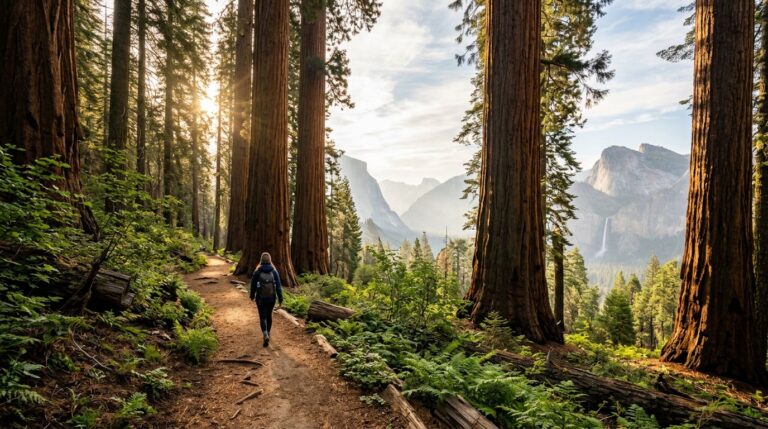
Lower Yosemite Fall is the classic fast-payoff pick for almost any first-timer. The loop is about one mile with roughly 50 feet of elevation gain, so it suits even small kids, and in spring the waterfall flow is usually strong enough that the short walk feels much bigger than it is. Pair it with other Yosemite easy hikes with kids if the family still has energy, or browse more options in this roundup of the best hikes in California.
On the East Coast, Jordan Pond Path in Acadia is a standout for mixed-age groups. The full loop runs about 3.3 miles, which puts it at the longer end of family-friendly, but the footing stays gentle, the boardwalk sections keep it interesting, and you can turn back at any point. It’s not flashy like Zion, but that’s part of the appeal. Fold it into this Acadia National Park itinerary to round out the day.
Then there’s Great Smoky Mountains National Park, which delivers shade, water, and low commitment. Cataract Falls is especially good for beginners, sitting just behind the Sugarlands Visitor Center at roughly a mile round trip, and these easy Smoky Mountains waterfall hikes add a few more solid options.
If your crew likes desert scenery, Capitol Reef is the sneaky-good choice. The Capitol Gorge Trail runs flat and sandy through a wide canyon for about two miles round trip, which makes it naturally playful for younger kids. (Skip the short, steep spur to the water tanks at the very end if little legs are already tired.) For more nearby trips, see the best hikes in Utah for beginners.
How to keep family hike days low-stress
Build family hikes like a simple road trip day: one main win, then room to adjust. Plan one anchor hike before lunch and treat everything after that as optional. It saves the day when energy drops, weather shifts, or parking gets messy.
Spring conditions tend to favor parks like Zion, Yosemite, Bryce, the Redwoods, and the Smokies, where temperatures are milder and waterfall flow runs strong. Higher-elevation parks, on the other hand, can still hold snow and mud well into the season, so it’s worth skipping an alpine plan when the weather is still acting like winter. If you’re sticking to lower, easier ground, these easy hikes with views work in more seasons than most.
The best advice here is boring, which usually means it works. Start early. Carry more water than you think you need. Bring one salty snack and one “morale snack.” Check trail status before you leave cell service. And if a trail starts feeling wrong, turn around early and call it a win.
That’s not quitting. That’s good trip planning.
FAQs about family-friendly hikes in the USA
What distance works best for a family hike?
For most beginners, 0.5 to 3 miles round trip is the sweet spot. That range gives you enough adventure without turning the walk back into a complaint parade. For more in that range, see these best short hikes in the USA.
Do kids need hiking boots?
Usually, no. For paved paths, boardwalks, and well-kept dirt trails, grippy sneakers are often enough. Save the boots for rougher, wetter, or rockier terrain.
Are stroller-friendly hikes common in national parks?
Some are, but it’s never safe to assume. Even paved trails can have steep grades, tight crowds, or rough edges, so double-check the surface before bringing a stroller.
What’s the best season for family hikes?
Spring and fall are the easiest seasons because temperatures are kinder and trails often feel less punishing. Summer works too, as long as you start early and avoid exposed afternoon hikes.
Most families don’t need the most famous trail. They need the trail that delivers early, feels safe, and ends with everyone still smiling.
Pick one easy win, protect your morning, and let the day stay flexible. That’s how family hiking starts feeling less like work, and a lot more like the reason you came.