The best Lost Coast itinerary starts with the tide chart, before you commit to a campsite or shuttle. Lost Coast Trail permits get you into the wilderness, but the ocean determines when you can move through its narrowest stretches.
For your first trip, I recommend building in extra daylight and breathing room, especially with a loaded backpack. Coastal backpacking in the King Range National Conservation Area depends on the ocean, so safe wilderness travel starts with workable tide windows. Match those windows with available permit dates, then sort out transportation and gear.
Key Takeaways
- King Range wilderness permits are required for an overnight trip year-round; day hikes don’t require one.
- Reservations open 90 days before entry at 7:00 a.m. Pacific.
- Budget $6 per permit plus $12 per eligible person per trip.
- Check each tide-sensitive section separately, and leave enough time to clear it.
- Arrange trailhead transportation ahead of time and carry a hard-sided bear canister for each person.
- Seasonal walk up permits may be available, but availability varies.
How to Book Lost Coast Trail Permits
Be ready when your entry date opens
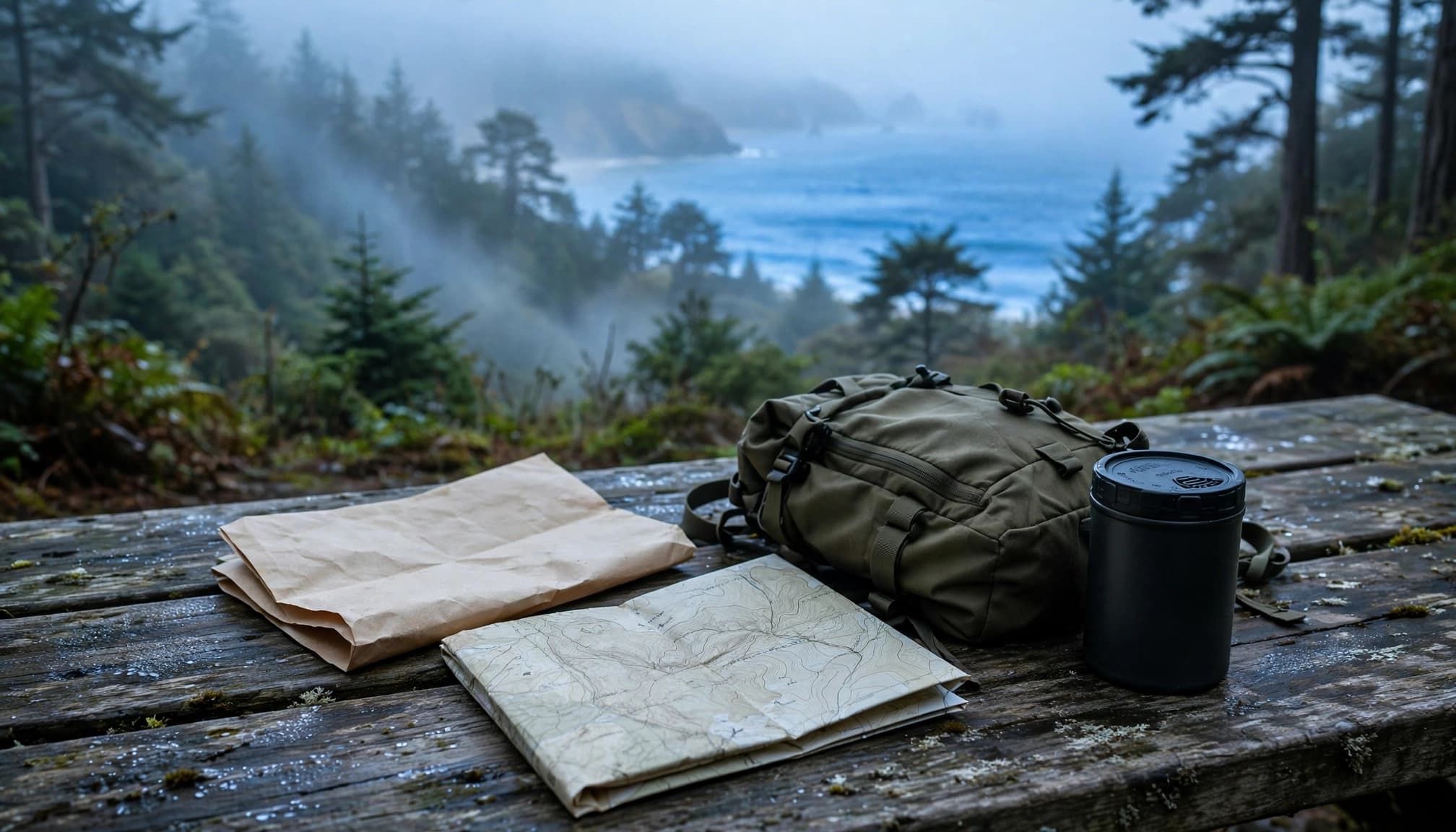
Book through the King Range Wilderness permit page, where Recreation.gov lists current availability, fees, and reservation rules. As of October 2026, Recreation.gov releases permits 90 days before your entry date at 7:00 a.m. Pacific.
BLM sometimes describes this as a three-month rolling window. For planning, follow Recreation.gov’s precise 90-day timing.
Create your account before booking day. As group leader, have your group size, entry date, trip length, and trailheads ready, then review the reservation before paying. Don’t choose a date simply because it’s available; check the tides first.
Seasonal availability can change, so don’t count on walk up permits. Don’t delay booking while waiting to see whether walk up permits become available.
After booking, save your confirmation offline and follow Recreation.gov’s permit issuance instructions. Check the instructions for permit pickup, and don’t assume every advance reservation requires visitor-center pickup.
Understand the quota and group limits
Recreation.gov lists a Mattole entry quota of 60 people daily from May 15 through September 15. It drops to 30 daily from September 16 through May 14, during quota season.
Keep in mind, these are people, not permits. The limits apply to overnight backpacking permits in the King Range National Conservation Area, and a quieter season still has limited entry capacity.
Each permit covers up to three people, while the maximum group size is 15. Recreation.gov also limits each permittee to one active permit. As group leader, confirm the booking arrangement before anyone makes nonrefundable plans.
For beginners, I’d keep the group small. Coordinating pace, tide crossings, and transportation gets harder with every additional person.
Current Camping Fees and Cancellation Rules
What the permit costs
The current reservation page on Recreation.gov already lists the $12 camping charge, so don’t budget around older guides that call it an upcoming fee when estimating camping fees.
You’ll pay a $6 nonrefundable reservation fee, plus a $12 Special Area Fee. The per person fee applies to each eligible person per trip, rather than per night. Children younger than 16 are exempt from this charge.
For two adults sharing one permit, the total is $30. Three adults on one permit pay $42.
Transportation, equipment rentals, and any lodging before or after your hike are separate expenses. I’d price those before deciding whether a last-minute opening works for your budget.
Cancel before the refund deadline
Under the cancellation policy, the $12 per-person fee is refundable when you cancel or reduce your party size at least seven days before entry. Within seven days, that fee is nonrefundable.
The $6 reservation fee doesn’t come back, unlike the $12 charge.
Set a reminder before the deadline and update your reservation promptly if someone drops out. Having said that, a lost fee is a poor reason to continue with an unsafe forecast.
Plan Your Tide Windows Before Your Campsites
Check all three restricted stretches
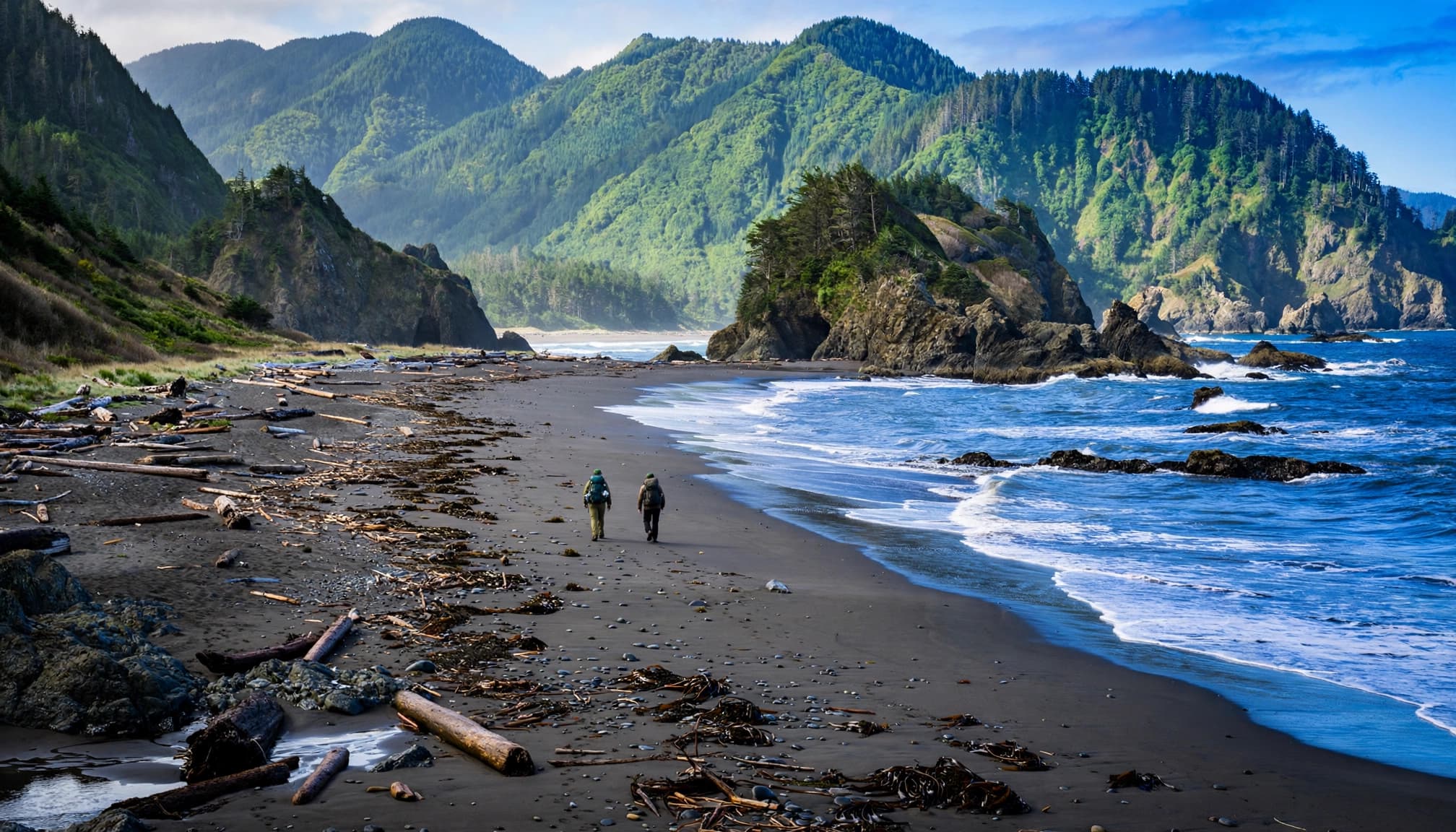
The coast has sections where rising water cuts off passage between the ocean and steep terrain. You need a usable crossing window, not simply a low-tide time.
The BLM trip planning guide gives these planning thresholds.
| Coastal section | Published tide guidance |
|---|---|
| Punta Gorda | Below approximately 6 feet |
| Sea Lion Gulch to Randall Creek | Below 2.5 feet |
| Miller to Gitchell | Below 3 feet |
For the latter two sections, BLM advises entering on a receding tide and allowing enough time to get completely through. Use the stricter section-specific threshold rather than applying one number to the entire route.
These levels aren’t guarantees. Surf, weather, erosion, and obstacles can make passage unsafe even when the predicted tide looks favorable.
Read the whole window
Use NOAA’s Shelter Cove tide predictions for your actual travel dates. Check the time zone and daylight-saving setting, then save the predictions offline.
Use the tides to find when the water falls below your section’s threshold and rises above it again. Confirm that the usable window falls in daylight.
BLM cautions that travel can be around one mile per hour. Sand, slippery rocks, and a full pack make familiar hiking speeds unreliable.
A tide window has to cover the entire crossing, including delays. Arriving at the entrance at low tide may leave too little time.
If waves are reaching your route or your margin disappears, wait somewhere safely above the water. Don’t race the incoming tide.
Build a Flexible Backpacking Itinerary
Give yourself room to move slowly
I recommend a conservative schedule for your first Lost Coast backpacking trip. A modest daily distance leaves time for tide waits, awkward footing, and breaks without forcing a late crossing.
Build each day around the restricted sections, checking tides before setting your schedule. Work backward from a suitable outgoing tide to decide when you should leave camp.
Then identify a place to wait safely if your pace changes. Choose backup stopping points before you need them, rather than relying on one campsite or mileage target.
A loaded-pack practice hike is worthwhile. You’ll learn more about your realistic pace and footwear than you will from comparing other hikers’ finish times.
Choose dates for conditions, too
Summer offers longer daylight, but fog, wind, and damp evenings still belong in your packing plan. The larger summer quota also doesn’t guarantee an easy reservation.
Outside summer, shorter days and storms can make a workable tide itinerary harder to assemble. October isn’t a permit-free workaround.
For a simpler coastal practice outing, my Point Reyes hiking guide covers another California destination where wind and fog deserve attention.
Check current trail conditions and the marine forecast before departure. If the weather removes your safety margin, change the plan.
Sort Out Mattole and Black Sands Transportation
The classic point-to-point route runs from Mattole beach to Black Sands Beach in Shelter Cove. The official Lost Coast Trail listing identifies the endpoints and basic access information.
Your permit doesn’t include transportation between trailheads. Arrange a shuttle or a two-car plan before heading into this remote stretch of coast.
If possible, leave your vehicle at your exit location and arrange transport to your starting trailhead. That keeps your final hiking day from depending on a tight pickup deadline.
Have the group leader confirm the meeting spot, departure time, price, cancellation terms, and plan for changing road conditions. Don’t assume you can arrive and find an available ride.
Allow plenty of driving time, and check access conditions shortly before leaving home. Remote road travel deserves its own buffer.
Download directions and save the driver’s contact details offline. Tell someone your route, expected finish, and when to raise the alarm if you haven’t checked in. Cell service shouldn’t be your only backup.
Bear Canisters, Water, and Overnight Gear
Pack food for the required storage system
The Bureau of Land Management (BLM) requires one hard-sided bear canister per person for bear resistant food storage. Each canister must fit that person’s food, trash, and scented items for the entire trip. Don’t plan on sharing one small container between several hikers.
Test everything at home, including the final day’s meals and toiletries. Repackage bulky food before departure, but keep the information you need for preparation.
Secure scented items whenever you’re away from them. Snacks in pack pockets or a tent vestibule are easy targets for wildlife.
If you need rental canisters, confirm availability and return arrangements ahead of time. A permit reservation doesn’t reserve equipment.
Treat water and protect your sleep system
Treat natural water before drinking it, and carry a backup treatment method. Ask about recent water conditions rather than assuming every creek on your map is flowing.
Fill up before a stretch where water access is uncertain. Avoid risky creek crossings after heavy rain.
For the rest of your kit, prioritize the items that handle damp weather and delayed travel:
- Carry rain protection, an insulating layer, dry socks, and a waterproof pack liner.
- Bring offline maps, a paper backup, a headlamp, and spare power.
- Pack blister care, first-aid supplies, and a satellite messenger if available.
Use established campsites safely above wave reach. Camping isn’t allowed at Black Sands Beach Trailhead, and BLM identifies camping north of Telegraph Creek. Check current BLM guidance for camping rules and fire restrictions, as wilderness regulations can change. Pack out scraps and give wildlife plenty of space, following leave no trace practices.
Lost Coast Trail Permit FAQs
Do day hikers need a wilderness permit?
No. King Range Wilderness permits are required for overnight use, not day hiking. Day hikers still need to follow access rules and plan around tides.
Can I get walk up permits?
BLM lists a seasonal option for up to three hikers at the King Range Visitor Center. Its published window for walk up permits is May 30 through September 5, Monday through Saturday, 8:00 a.m. to 4:30 p.m., with weekend permits sold Fridays.
Have the group leader confirm the current schedule against BLM information before traveling. Don’t count on walk up permits being available, and those summer hours don’t establish October availability. I wouldn’t build a fixed trip around them.
Does my permit reserve a campsite?
Don’t treat your wilderness permit as a reservation for one beach campsite. Build an itinerary with backup stopping points, then follow current camping restrictions and choose ground safely above surf reach.
Can I extend into Sinkyone Wilderness State Park?
Treat that as a separate planning task. Your King Range booking doesn’t settle Sinkyone Wilderness State Park access, camping, or trail conditions. Confirm those requirements before adding miles south.
Leave Yourself Time for the Coast
Lost Coast Trail permits are only one part of a workable trip. Tides, hiking pace, and transportation all shape your wilderness travel, so they need to fit together before you leave home.
For a first visit, I’d choose fewer daily miles and more flexibility. Give yourself permission to wait or turn around when conditions change.
The coast is far more enjoyable when you have time to appreciate it instead of hurrying toward the next headland.