The biggest Kalalau Trail planning mistake is booking a trip before deciding how far you’re prepared to hike. For beginners, I recommend the Hanakapiai Beach day hike first. The full coastal route along Kauai’s north shore on the Napali Coast can wait until you’ve built some backpacking experience.
The scenery is breathtaking, but reservations, transportation, and weather all deserve attention before you reach the trailhead. Start with the route that fits your experience, then book the access it requires.
Key Takeaways
- The trail reaches Kalalau Valley after 11 miles, making the full out-and-back 22 miles.
- A camping permit is required beyond Hanakapiai, even if you aren’t staying overnight.
- Camping permits open 90 days ahead. Haena access, overnight parking, and the shuttle bus require separate arrangements.
- Check current conditions before leaving, and never cross a swollen stream to keep an itinerary on schedule.
Choose Your Kalalau Trail Route
Your first decision is how much hiking you want to take on. All three options begin through Haena State Park, near Kee Beach.
These distances help narrow down the choices.
| Destination | Round trip distance | Recommended approach |
|---|---|---|
| Hanakapiai Beach | About 4 miles | A shorter introduction to the trail |
| Hanakapiai Falls | About 8 miles | A longer day hike with an inland extension |
| Kalalau Valley | 22 miles | A prepared, multi-day backpacking trip |
The beach option is the most manageable starting point, but a 4-mile round trip still deserves a proper hiking plan.
Hanakapiai Beach and Falls
The first two miles reach Hanakapiai Beach. You don’t need a Napali camping permit for this section, although Haena access requirements still apply.
You can also continue inland without that camping permit. This waterfall extension adds substantial distance, so I wouldn’t make it an automatic addition to a beginner’s itinerary.
Set your turnaround time before starting. Leave room for breaks and a slower return rather than using every available minute on the outward hike.
Continuing to Kalalau Valley
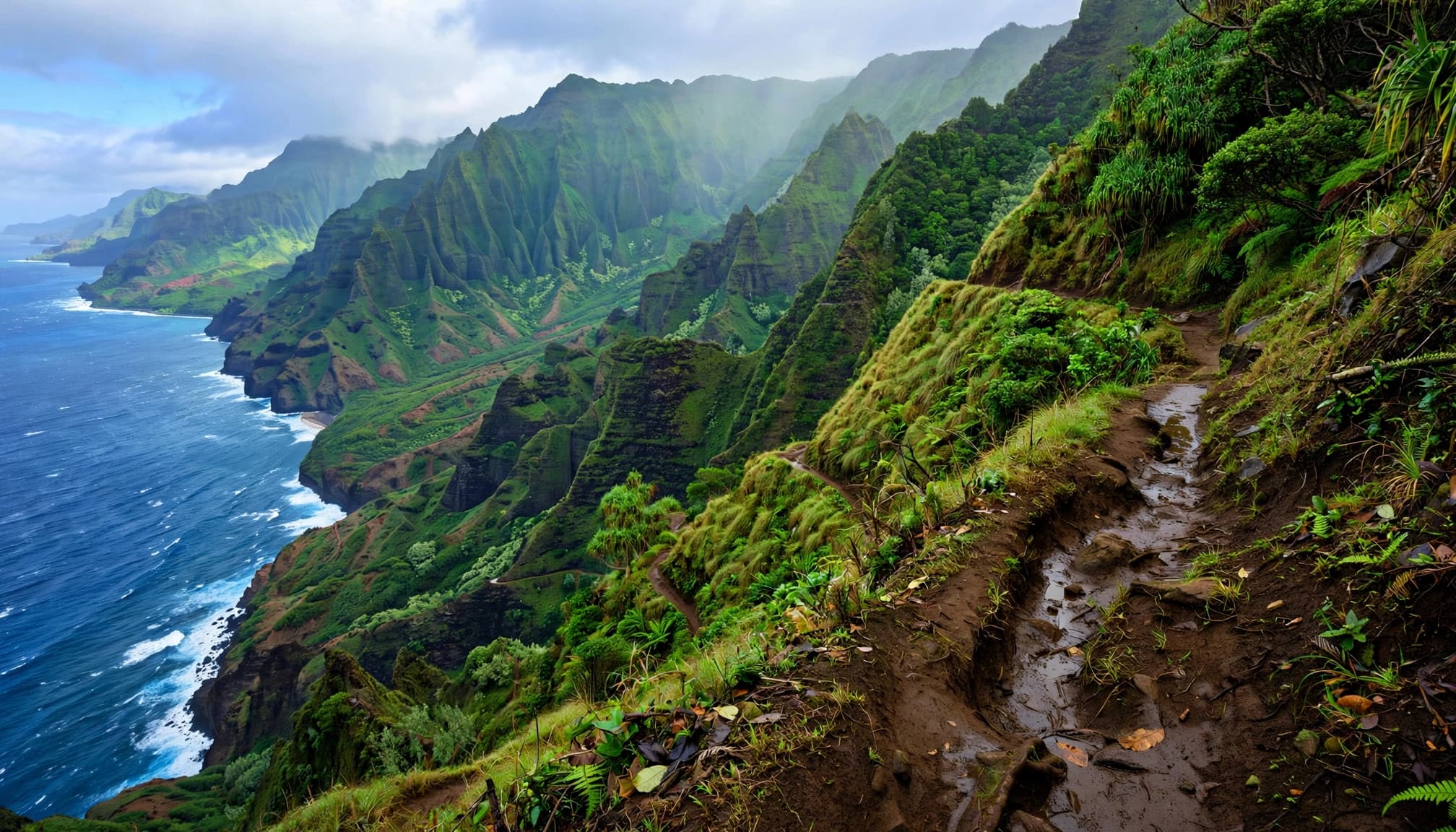
Beyond Hanakapiai, the coastal route continues toward Hanakoa, about six miles from the trailhead, then Kalalau Valley at mile 11. The trail has steep drop-offs and uneven terrain, where hiking poles can help with balance.
I recommend treating the full route as a backpacking objective. Before committing, practice longer hikes with your loaded pack. Comfortable day-hiking miles don’t tell you how you’ll feel carrying overnight equipment.
Book the Right Permit Before Anything Else
The permit boundary is easy to misunderstand: continuing beyond Hanakapiai requires a valid camping permit, even for a day hike.
DLNR’s Kalalau Trail permit information directs hikers to the current booking system. Use that official starting point rather than an old reservation tutorial.
When Camping Reservations Open
Napali Coast State Wilderness Park camping permits become available 90 days in advance through Explore Outdoor Hawaii.
Create your account before your booking date. Have your group details, entry date, and intended nights ready, then review the reservation before paying.
I recommend securing the permit before making nonrefundable trip arrangements. An available flight doesn’t help if your hiking dates aren’t available.
The maximum stay is five nights total. Nights at Hanakoa count toward that limit, and you can’t spend two consecutive nights there.
What the Permit Costs and Covers
Official DLNR pages list nightly camping rates of $25 for Hawaii residents and $35 for nonresidents. However, their wording differs on whether those rates apply per person or per campsite. Confirm the final charge during booking, particularly for a group.
A Kalalau camping permit doesn’t cover overnight parking or transportation. Arrange how everyone will get to and leave Haena, including a shuttle bus if you’re using one.
Save the permit and confirmation offline. Carry the required identification and follow the instructions attached to your booking, including any conditions that affect your itinerary.
Sort Out Haena Entry, Parking, and Transportation
Haena State Park access is a separate planning task. Park entry, transportation, and parking are separate choices, so check the current booking labels before selecting an entry-only pass or day-use pass. Neither pass includes parking or transportation.
For nonresident day visitors, DLNR lists $5-per-person entry and $10-per-vehicle parking fees. Check the Haena State Park access rules for current reservation requirements, exemptions, and pass options.
Day-Hike Access
The Go Haena reservation portal is the starting point for day-use access and shuttle bus bookings. An entry-only pass doesn’t reserve parking or book transportation.
Choose transportation before finalizing your hiking schedule. If you’re driving, make parking reservations and secure a parking pass for the right period. If you’re taking the shuttle bus, check the boarding location and return schedule before booking.
I recommend leaving a generous gap between your hiking turnaround and your transportation deadline. A reservation should shape your day, but it shouldn’t pressure you into an unsafe crossing.
Before setting out, ask the shuttle bus operator what procedure applies if you’re delayed. Don’t assume an on-demand ride will be available.
Overnight Access
Official access options for overnight campers include a shuttle bus, private drop-off, or reserved overnight parking.
Overnight parking requires a separate reservation and a valid Kalalau camping permit, so obtain the permit first. A standard day-use parking booking isn’t a substitute, and you’ll need a separate parking pass.
Review DLNR’s overnight access information before choosing your arrangement. Confirm the return plan too, including where your driver will meet you and what happens if your exit date changes.
Plan without relying on a cell signal. Download directions, booking confirmations, and meeting details before leaving your accommodation.
Build a Camping Itinerary You Can Finish Comfortably
The full Kalalau Trail is 22 miles round trip, with 11 miles each way. Factor in any exploring around camp, and keep the main route your priority.
For beginners, I recommend gaining overnight experience somewhere less demanding before making this your first backpacking trip. Test your shelter, water treatment, and loaded pack ahead of time.
Decide Whether Hanakoa Fits Your Plan
Hanakoa is roughly six miles in, so it’s an important planning point between the trailhead and Kalalau Valley.
A permitted overnight stop can break up the journey, but it must fit the current camping rules and your reserved itinerary. You can’t spend two consecutive nights there, and those nights count toward the five-night maximum.
Don’t assume every stop on your map is somewhere you can camp. Review the permitted camping locations before departure.
Give Kalalau Valley Some Breathing Room
If your permit allows it, I recommend leaving a day at Kalalau without a long approach or exit hike. You’ll have more room to enjoy the setting rather than immediately repacking.
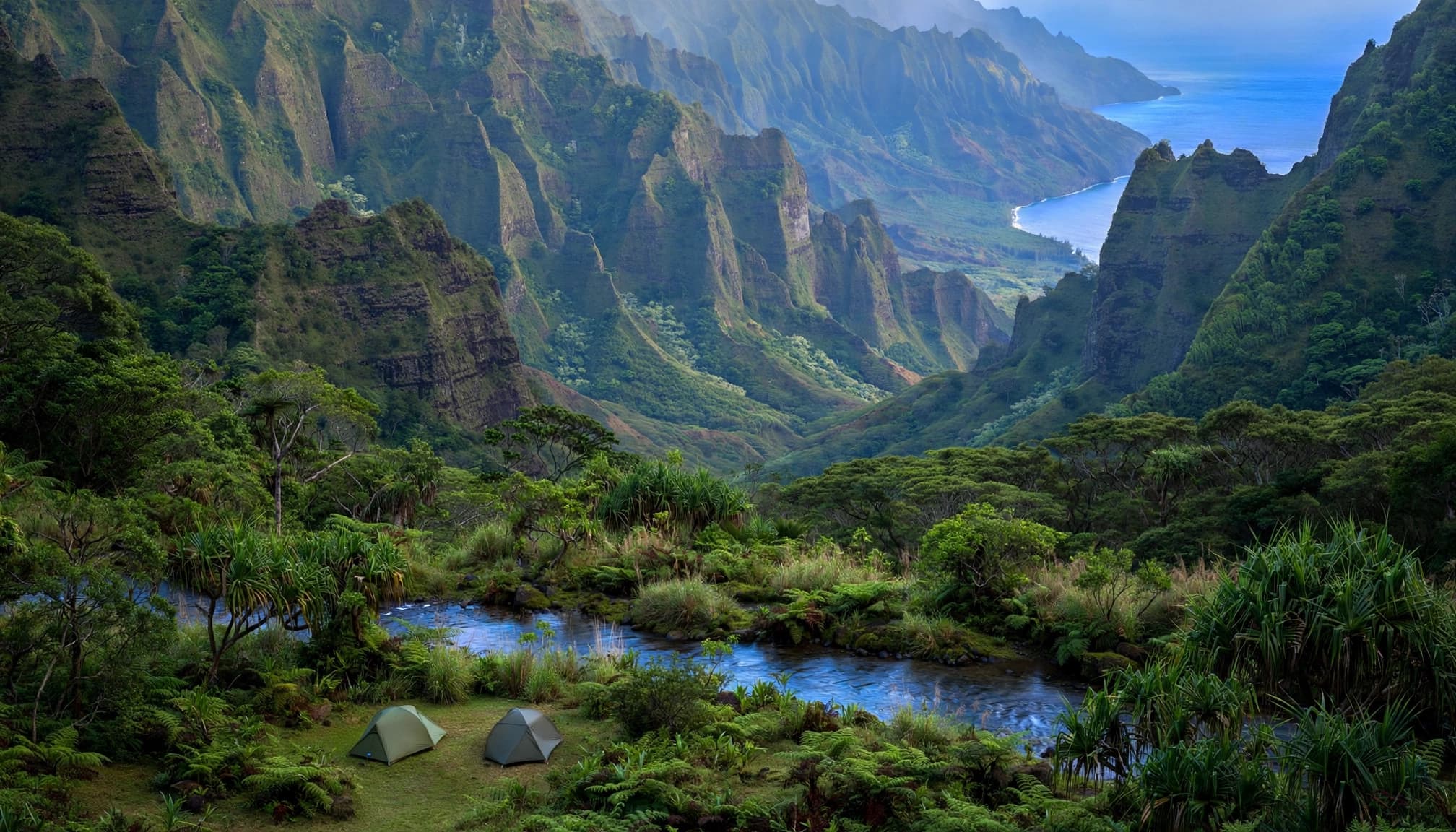
Choose an established, permitted camping area. Keep your setup away from stream channels and surf reach, and follow posted restrictions.
Carry everything you need for your stay, including food and a reliable water-treatment method. Pack out your rubbish and leave the campsite ready for the next hikers.
Let Weather and Stream Conditions Set the Limits
A reservation gives you permission to hike. It doesn’t establish that conditions are safe.
Check State Parks notices and the local forecast before travel, again the night before, and before heading to Haena. Don’t treat an old closure announcement, or an old reopening announcement, as today’s trail status.
Check Conditions, Not Just Your Travel Month
For this trip, the current forecast matters more than choosing a supposedly perfect month.
Heavy rainfall can cause flash floods, and conditions may change quickly. These hazards can turn familiar routes into dangerous hikes.
Official safety guidance advises avoiding outdoor recreation when hazards are forecast or present. If warnings affect your route, change the plan before you reach the trailhead.
Leave flexibility around your hiking dates where possible. A tight flight connection immediately after an overnight hike gives you little room for delays.
Never Force a Flooded Crossing
Hawaii’s flash-flood safety guidance is clear: don’t enter or cross floodwater.
If a stream is swollen, rising, or fast-flowing, don’t attempt the stream crossing. Stay out of the water, move away from the channel to safe higher ground, and don’t wait on a low bank. Follow official instructions when available.
Missing transportation is a logistics problem. Entering a swollen stream can become an emergency.
If conditions prevent safe progress, stop and reassess. Don’t assume rescue will be immediate; severe weather can also prevent responders from reaching hikers.
Pack for Delays as Well as Distance
These are general hiking and backpacking preparations, rather than a complete Kalalau equipment checklist. Adjust your kit to your itinerary, the forecast, and current park guidance.
Start with hiking boots or other footwear you’ve already worn on longer hikes. On a muddy trail, tested traction and a comfortable fit matter more than buying new boots just before departure. My hiking boot reviews can help narrow down the options, but testing them yourself matters most. If you’re accustomed to hiking poles or trekking poles, bring them for uneven footing.
Carry drinking water, food, rain protection, sun protection, and a light layer for damp evenings. Overnight hikers also need a suitable shelter, sleeping bag, and enough food for their permitted stay.
Bring a water filter or another treatment method for wilderness refills. A stream shown on a map doesn’t confirm its current condition or make untreated water safe to drink.
A headlamp belongs in your pack even when you intend to finish before dark. Add first-aid supplies, blister care, spare power, and waterproof protection for items that must stay dry.
Download an offline map and carry a backup. Tell someone your route, expected return, and when they should seek help if you haven’t checked in.
If you carry a satellite messenger, learn how to use it beforehand. Equipment helps only when you understand its limits and functions.
Kalalau Trail FAQ
Can I Hike the First Two Miles Without a Camping Permit?
Yes. You can hike to Hanakapiai Beach without a Napali camping permit. You can also take the inland route toward Hanakapiai Falls. Applicable Haena entry and transportation reservations still matter.
How Long Should I Allow for the Full Hike?
Plan it as a multi-day backpacking trip rather than relying on a fixed completion time. Your pack, experience, conditions, and permitted itinerary affect the schedule. Leave enough room that reaching camp doesn’t require rushing.
Does a Camping Permit Include Overnight Parking?
No. Overnight parking requires a separate reservation. Secure your Kalalau camping permit first, then arrange parking or another permitted option, such as a shuttle bus. Confirm your return arrangements before departure.
Should I Plan to Swim at Hanakapiai Beach?
I recommend keeping beach time on shore and treating this as a hiking outing. Before entering the ocean anywhere during your trip, check conditions and ocean currents with a lifeguard. Don’t assume a beautiful beach is safe for swimming.
Choose the Hike That Fits Your Experience
For a first visit, the Hanakapiai day hike offers a more manageable introduction to this breathtaking coastline. The full route covers 22 miles round trip and calls for backpacking preparation and a flexible itinerary.
Book the correct access, test your gear, and let current conditions decide whether you proceed.
You don’t need to reach Kalalau Valley to have a memorable day on the trail.