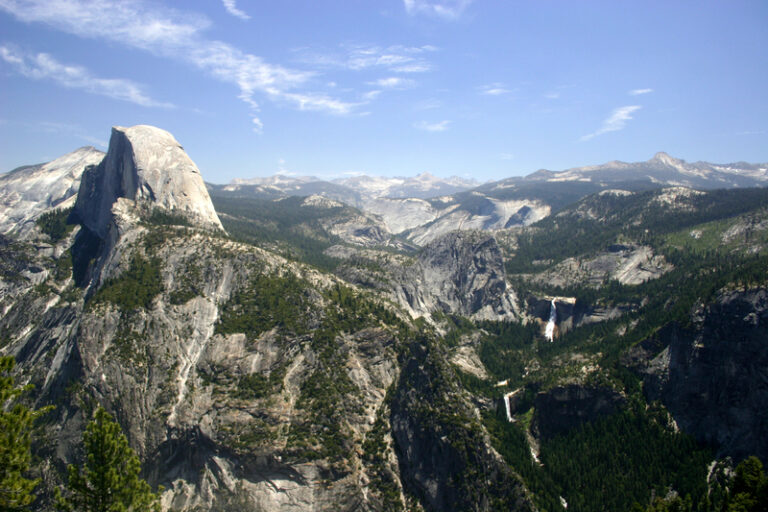
If you want Yosemite National Park scenery without Yosemite Valley chaos, Hetch Hetchy hiking is my go-to move. You still get big granite walls, loud waterfalls in season, and that “how is this still so quiet?” feeling. The trade-off is simple: fewer services, stricter gate hours, and a more old-school, bring-what-you-need kind of day.
In February 2026, Hetch Hetchy Road is open sunrise to sunset, but winter storms can change that fast. The hikes are usually open, yet snow and ice can make routes harder to follow. I treat it like a shoulder-season trip even when the calendar says winter.
Key takeaways (read this, then plan):
- Best starter hike is Wapama Falls, because it’s scenic and mostly mellow.
- Big waterfall energy peaks with Spring Waterfalls in spring and early summer, after rain and snowmelt.
- First-timer surprise is the Hetch Hetchy Entrance Station, you must exit by sunset, no exceptions.
- Winter reality is slick trail, patchy snow, and limited traction, plan slower.
- Start early for parking and calmer views, even on weekends.
Picking the right Hetch Hetchy hiking trail (without overthinking it)
Most people show up to Hetch Hetchy for one of two goals: a classic waterfall hike around the stunning Hetch Hetchy Reservoir, or a longer day that feels like you slipped into the backcountry without committing to an overnight. That choice decides everything, including your start time, water, and how much patience you’ll need on the way back.
Before you choose, bookmark the official National Park Service Hetch Hetchy area page. It’s the best place to confirm what’s open, plus basic rules and seasonal notes. The Hetch Hetchy area is accessible via the Big Oak Flat entrance or by staying at the nearby Evergreen Lodge.
Quick trail comparison (my practical cheat sheet)
Here’s how I’d compare the most common day hikes options for first-time visitors.
| Trail option | Round Trip (miles) | Elevation Gain (ft) | Why I like it | Effort feel | Best for |
|---|---|---|---|---|---|
| Wapama Falls (out and back) | 5.6 | 900 | Fast payoff, huge spring spray near the bridges | Easy to moderate | First visit, waterfall photos |
| Rancheria Falls (continue past Wapama) | 14 | 2,300 | Quieter, longer, more of a “real hike” day | Moderate to hard | Stronger hikers who want distance |
| Shoreline Trail (short, flexible) | 2-4 | <200 | Low pressure, great for sunsets (if timing works) | Easy | Families, mixed groups |
If you’re new to Yosemite hiking in general, I’d rather you nail one great hike than stack three mediocre ones. For most beginners, Wapama Falls hits the sweet spot. If you want a deeper breakdown of that route, I like this detailed write-up on the Wapama Falls trail overview.
One more planning note: if you’re building a bigger Yosemite trip around Hetch Hetchy, it helps to know what season you’re walking into. I mapped that out here in my guide to the best time to visit Yosemite for hiking, because crowds and weather swing wildly month to month.
Waterfall timing at Hetch Hetchy: when it’s loud, when it’s quiet
Let’s keep this simple. Waterfalls here run on the same basic engine as the rest of Yosemite: rain first, then snowpack, then melt. That means late spring into early summer is usually when spring waterfalls peak and Hetch Hetchy feels the most alive, with Wapama Falls and Tueeulala Falls throwing mist and the canyon walls echoing like a stadium.
By mid to late summer, the same trails can feel totally different. The Hetch Hetchy Reservoir, fed by the Tuolumne River, is still pretty, but the “roar” often fades. In dry years, you might hike mainly for granite, water views, and wildflowers appearing along the granite slopes, not peak flow.
Winter and early spring can be a wildcard. In February 2026, expect colder temperatures, possible snow on the trail, and lower waterfall power than peak melt season. Still, after a storm, the scene can pop for a short window, with fresh runoff and dramatic clouds.
My rule: if waterfalls are your main reason for going, plan your Hetch Hetchy hiking for spring, then start early so you’re not rushing the gate on the way out.
If you’re curious about longer itineraries in this corner of the park (including overnight backpacking loops), this guide to the Hetch Hetchy backpacking loop gives helpful context on how the terrain and water sources can shape the trip, and those backpacking trips often require planning for water availability.
What surprises first-time visitors at Hetch Hetchy (and how I plan for it)
Hetch Hetchy feels like Yosemite’s quiet side door, and that’s exactly why it catches people off guard. These are the surprises I see again and again.
First, the gate hours are real. The road is open sunrise to sunset, and in winter it may close for snow. In February 2026, the park’s recorded road line (209-372-0200, press 1 then 1) is worth a quick call before you drive.
Next, don’t expect the Yosemite Valley “infrastructure bubble.” Services are limited, and cell signal can be unreliable. I bring more water than I think I need, plus a headlamp even on a day hike, because getting delayed happens. Wet bridges, small rockfall, snow patches, or just a long photo stop can eat time. Hikers heading into the backcountry past the falls will need Wilderness Permits.
Safety surprises:
- Poison oak lurks along many trails, especially in brushy areas.
- Black bears roam the area, so use bear boxes for all food and scented items.
- Rattlesnakes appear in warmer months on rocky slopes.
Then there’s the “why is this harder than it looks?” factor. On paper, some routes look friendly. In real life, winter footing can slow you down, and summer heat can hit hard on exposed sections amid the granite cliffs. I’ve seen strong hikers get humbled simply because they treated it like a paved path.
If it rained recently or snow is melting, expect wet rock near falls, and plan for slower miles.
Finally, a mental surprise: Hetch Hetchy is a reservoir, the Hetch Hetchy Reservoir impounded by the O’Shaughnessy Dam to provide San Francisco water. The dam sparked a famous conservation battle involving John Muir. Some people feel weird about that. I treat it like a history lesson plus a hiking trailhead, starting through the Mountain Tunnel near the O’Shaughnessy Dam. Once I’m walking, the granite cliffs and the sound of water take over anyway.
If you’re pairing Hetch Hetchy with other classic Yosemite days, I keep a shortlist of options in my roundup of the best trails in Yosemite National Park. When I’m short on time, I also use my Yosemite day hike planner to sanity-check drive times and effort across seasons.
My bottom line on Hetch Hetchy
For beginners targeting Wapama Falls in this hidden gem of Yosemite National Park, Hetch Hetchy delivers a quieter win, as long as you respect the clock and the season. Pick one main trail, start earlier than you think you need to, and treat spring as waterfall season. Imagine granite cliffs reflecting in the water along the way. Do that, and Hetch Hetchy hiking will feel like you found a secret part of a famous park.
Hetch Hetchy FAQs
Do I need a reservation to hike Hetch Hetchy?
In February 2026, you typically don’t need a reservation at the Hetch Hetchy Entrance Station for Hetch Hetchy day use. That said, Yosemite sometimes uses peak-season entry rules elsewhere in the park, so I always check current park alerts before a summer trip.
What’s the best beginner hike in Hetch Hetchy?
Wapama Falls is the best first hike for most people from the trailhead. It offers a 5.6-mile round trip distance and 900 feet of elevation gain. It’s scenic, the grade is manageable, and the payoff comes quickly.
When are the waterfalls strongest?
Most years, the strongest flow is spring through early summer, when wildflowers also peak in late spring. Rain and snowmelt drive the timing, so exact weeks shift year to year.
Can I hike here in winter?
Yes, but the trailhead is located right across the O’Shaughnessy Dam, so plan for snow, ice, and slower navigation. In winter, I bring traction, extra layers, and I keep my turnaround time conservative.
What’s the biggest “gotcha” for first-time visitors?
Gate hours. The road is open sunrise to sunset, and you don’t want to be racing daylight back to the trailhead.