Isle Royale National Park is one of those places where the logistics can feel more challenging than the physical trek itself. Because there are no roads across the island, ferry schedules depend on Lake Superior, and cell service is limited. Once you arrive at Rock Harbor, however, the plan becomes simple: stay near the main hub, hike one larger shoreline route, and always leave extra room in your schedule for unpredictable weather.
This Isle Royale hiking itinerary is designed for first-timers who want to experience the best scenery in Isle Royale National Park without attempting a full island traverse. By following this guide, you will experience lush forest trails, stunning Lake Superior views, and prime moose country, all while maintaining a realistic pace that keeps your vacation enjoyable rather than exhausting.
Key Takeaways
- Base yourself at Rock Harbor for the easiest first visit and the widest choice of trails.
- Plan your itinerary around your specific Isle Royale ferry or seaplane schedule, rather than the other way around.
- Hike to Scoville Point, then choose Daisy Farm or Three Mile for your longer day.
- Carry rain gear, bug protection, water treatment, offline maps, and food for the entire day.
- Build in flexibility because Lake Superior weather can cancel or delay transportation.
Plan the Logistics Before You Plan the Hikes
Isle Royale is a remote island located in Lake Superior, roughly 56 miles from the Michigan mainland. You can reach Isle Royale National Park by taking an Isle Royale ferry from Houghton or Copper Harbor, by boat from Grand Portage, Minnesota, or by seaplane when flights are operating.
Those options do not create the same experience. Both Houghton and Copper Harbor bring you to the Rock Harbor area, which is the main developed hub for the park. Alternatively, arriving from Grand Portage is the usual gateway for Windigo on the western end of the island. For a first visit, Rock Harbor is the easier base because it has the Rock Harbor Lodge, a marina, a campground, a store, and several trail choices nearby.
Transportation schedules change by season and operator. Check the official Isle Royale transportation information before booking anything, then build your hiking plan around your confirmed arrival and departure times. That ferry-first mindset works at other boat-only parks too, and my Virgin Islands hikes guide applies it to trails and sailings on St. John.
| Trip style | Best base | Good fit for |
|---|---|---|
| Easiest first visit | Rock Harbor | Lodge guests, beginners, short day hikes |
| More remote experience | Windigo | Campers and hikers arriving from Minnesota |
| Island traverse | Rock Harbor to Windigo, or reverse | Experienced hikers with more time |
| Short visit | Rock Harbor with local day hikes | Visitors with only two nights |
The trip works best with two nights on the island and three calendar days. That usually gives you an arrival day, one full hiking day, and a final morning before transportation leaves. If your ferry arrives late or departs early, adjust the mileage before you adjust the safety margin.
The Rock Harbor Lodge and housekeeping cabins need reservations well in advance. Campgrounds are more basic, and overnight backpackers need to follow current backpacking permits and park rules. Check the NPS camping and lodging page before you leave, especially if you are visiting Isle Royale National Park during July or August.
There is no driving between trailheads. You will walk, arrange a water taxi, or use a boat transfer when one is available. That is why I recommend staying put rather than trying to move around the island during a short trip.
What to Pack for Isle Royale
Hiking in Isle Royale National Park is not overly technical, but the trails are not polished city paths either. Expect roots, rocks, mud, uneven footing, and sections where progress feels slower than the mileage suggests.
Wear trail shoes or hiking boots with dependable grip. Casual slip-ons and flat-soled sneakers are a poor match for wet roots and rocky climbs. You do not need heavy mountaineering boots, but you do need footwear you trust when the trail turns slick.
Pack a rain shell even if the forecast looks perfect. Weather over Lake Superior can shift quickly, and rain can make a forest trail feel colder within minutes. A light insulating layer is useful for ferry rides, breezy shorelines, and early mornings.
Your daily pack should include:
- Water and a reliable water filter or treatment tablets for backcountry sources
- Food for the full hiking day, plus a little extra
- Bug spray and a head net during the heavier insect season
- Sunscreen, sunglasses, and a hat
- Offline maps, a paper map, and a charged phone
- A basic first-aid kit, blister care, and a small emergency shelter
- Bear spray is not needed, but secure food from rodents, birds, and other curious wildlife
- Cash or a card for mainland meals, parking, and transportation expenses
The park has developed water sources around Rock Harbor, but you should not assume every faucet or pump will be operating. Always treat natural water before drinking it, and carry a high-quality water filter to ensure your supply is safe. Be aware that you should avoid drinking water from areas showing signs of toxic algal blooms. You will also want snacks that survive a warm ferry deck without melting into your backpack.
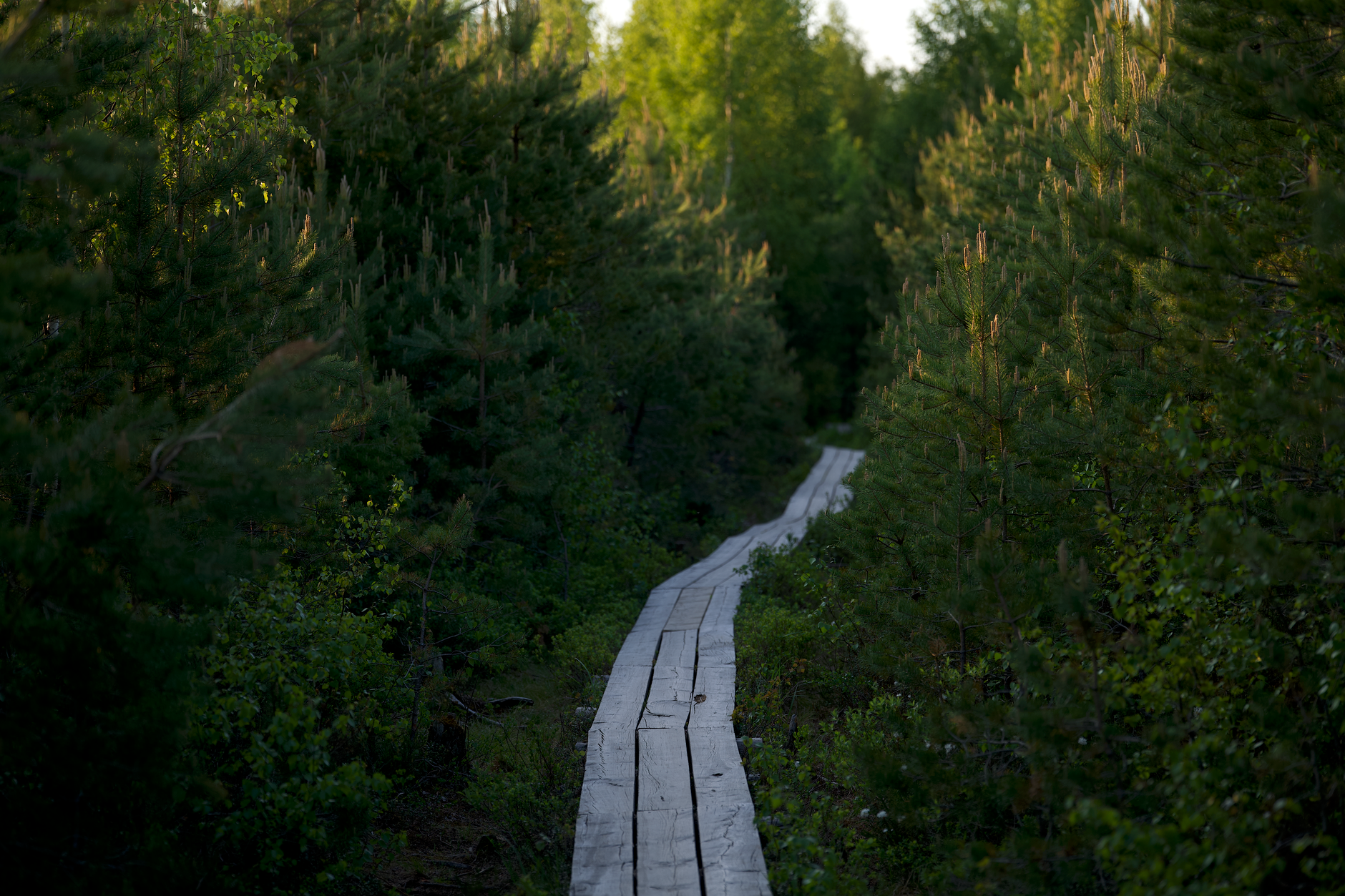
Photo by Lauri Poldre
There are no regular stores along the trails. Buy or pack what you need before leaving Rock Harbor, and do not plan on finding a surprise lunch stop halfway through your hike.
Day 1: Arrive at Rock Harbor and Settle In
Your first day depends on the boat schedule. Some arrivals give you several hours to explore, while others leave just enough time to check in, organize your gear, and eat before sunset at Isle Royale National Park.
Once you reach Rock Harbor, find your lodging or campsite first. Drop unnecessary gear, fill your water bottles, and ask the marina or visitor center about current trail and weather conditions. Rangers and staff can tell you whether a route has mud, downed trees, flooding, or a temporary closure.
For a short first hike, walk the Stoll Trail to Scoville Point. The loop is about 4.2 miles and takes most hikers two to three hours, depending on stops. It is the classic Rock Harbor outing, and it gives you a strong introduction to the island without committing to a long day.
The trail passes through boreal forest and rocky shoreline areas before reaching Scoville Point. Lake Superior opens up around you, and the view feels larger than the mileage suggests. Keep an eye on the water for loons, especially in the calmer morning or evening hours.
If your ferry arrives too late for the Stoll Trail, take the shorter Tobin Harbor Trail instead. It provides a quiet forest walk where lucky hikers often enjoy moose sightings, making it a perfect leg-stretcher after a long boat ride. You can also walk around the harbor area, check out the marina, and watch the light change across the water.
Dinner is the time to make your Day 2 decision. Ask yourself one question: do you want a longer shoreline hike, or a shorter route with more time to relax?
Your first day is not the time to prove anything. Get settled, check conditions, and save your legs for the island’s best full-day options.
Day 2: Choose the Right Rock Harbor Day Hike
Day 2 serves as your primary day for exploring the wilderness. You have two excellent options for your itinerary, and the best choice depends on your transportation plans and overall fitness levels.
Option 1: Hike Daisy Farm Back to Rock Harbor
The route between Rock Harbor and Daisy Farm Campground is about 7.1 miles one way. This trail follows the shoreline through dense forest, crosses several rugged rocky sections, and provides a much better sense of the island than the short trails near the harbor.
The easiest way to execute this hike is to arrange a water taxi to Daisy Farm Campground, then hike back to Rock Harbor. That turns the route into a convenient one-way day hike instead of a 14-mile out-and-back trek. Water taxi schedules and availability vary, so confirm the plan at the marina before committing.
Daisy Farm is an ideal starting point because it features a campground, shelters, and beautiful access to the waters of Lake Superior. Give yourself plenty of time for the hike back. While the distance is manageable, wet roots and uneven ground can slow your pace. If you are looking for a challenge that rivals the elevation changes found on the Greenstone Ridge Trail or the rugged terrain of the Minong Ridge Trail, you will find this path provides a good, steady workout.
Take breaks at the shoreline rather than in the middle of the trail. Let faster hikers pass, and keep your food secured when you stop. If the water taxi is canceled, do not force the original plan. Hike toward Three Mile Campground and turn around when you are ready. That creates a manageable day trip and keeps you close to the main facilities.
Option 2: Three Mile and Tobin Harbor Without a Boat
For a simpler experience, hike from Rock Harbor toward Three Mile Campground. The one-way distance is about 2.9 miles, so the out-and-back trek is close to six miles. This route provides stunning shoreline scenery and classic forest walking without the timing pressure of a water taxi.
You can add Tobin Harbor as a separate, short outing if you still have energy. The trail is about two miles one way and offers another perspective of the island. If you want a more ambitious view, you can continue past the initial trail markers toward Mount Franklin for a spectacular vantage point. Do not add too many miles just because the map makes them look easy; on Isle Royale, the trail surface often dictates your actual pace.
The Stoll Trail loop also works well here if you skipped it on Day 1. Scoville Point is a strong choice for sunrise or late afternoon, while the Daisy Farm route is better when you want a longer day with a specific destination.
My recommendation is straightforward: choose the Daisy Farm route if transportation lines up, and choose the hike to Three Mile Campground if you want a relaxed plan you can control yourself. Both routes work well for first-timers. The right answer is the one that leaves you enough time to return to your base before dark.
Day 3: One Last Walk, Then Leave Enough Time for the Boat
Departure day can create false confidence. You may wake up feeling fresh and want to squeeze in a longer hike, but the Isle Royale ferry schedule does not wait for tired hikers.
Start with a short Rock Harbor walk that fits comfortably before check-in time. If you missed Scoville Point, use the Stoll Trail loop only when your departure schedule leaves a wide buffer. Otherwise, walk the harbor or revisit the Tobin Harbor side of the island.
Keep your pack organized the night before. Put your ferry ticket, phone, water, rain shell, and snacks where you can reach them quickly. If you are camping, break down your site early and follow all food storage rules before heading to the dock.
I like to be ready at the marina well before the posted departure time. Lake Superior crossings can be busy, and the crew may need time to load bags, fuel, or handle weather-related changes. Missing the boat is not a minor scheduling mistake; on an island as remote as this, it can mean losing a full day or more.
If your transportation leaves in the afternoon, you can fit in a short hike. If it leaves in the morning, treat the final day as a travel day. The island is not going anywhere, and rushing through your last hours in Isle Royale National Park usually produces more stress than scenery.
Weather, Bugs, and Trail Conditions
The best months for a first visit to Isle Royale National Park are usually the heart of summer and early fall, when transportation is running regularly and most services are open. July and August offer long days, but they also bring more visitors and insects. September can feel calmer, though cool weather and rough water are always possible.
Bugs are part of the island experience. Mosquitoes and black flies can make an otherwise easy stop unpleasant, especially near wet areas and during still mornings. Bring repellent, wear long sleeves when needed, and carry a head net if you are sensitive to insects. Always carry a reliable water filter to ensure your hydration sources are safe, especially since local water quality can sometimes be impacted by toxic algal blooms.
Rain changes the trails. Roots become slippery, mud collects in low sections, and exposed rocks demand slower foot placement. Do not judge the hike by its distance alone. A six-mile route on a dry map can feel like a much longer day after heavy rain.
Check the NPS Isle Royale weather information shortly before departure, then check again when you arrive. Cell service is limited, so download maps and important reservation details before boarding the ferry. The official park map belongs in your pack even if you plan to use a phone to navigate Isle Royale National Park.
Lake Superior deserves respect. Strong wind can create rough crossings, cold water, and dangerous shoreline conditions. Stay away from unstable edges, do not swim in Lake Superior unless conditions are clearly safe, and follow crew instructions during boat travel.
Common Questions About a 3-Day Isle Royale Trip
Is three days enough for Isle Royale National Park?
Yes, if you stay in one area. Three days is enough time to enjoy Rock Harbor, Scoville Point, and Three Mile. If your ferry schedule allows for it, you might even consider a longer outing to Daisy Farm, Moskey Basin, or McCargoe Cove. Three days is generally not enough for a relaxed island traverse, especially when ferry transit takes up a significant portion of your visit to Isle Royale National Park.
Should first-timers stay at Rock Harbor or Windigo?
Rock Harbor is the better first base for most visitors. It has more services, more nearby trails, and easier access to lodging. Windigo is a strong choice for campers and people arriving from Grand Portage, but Windigo feels more remote and offers fewer short-hike options compared to the Rock Harbor area.
Do you need a permit to hike Isle Royale?
Day hikers generally do not need a backcountry permit. However, overnight visitors must follow the park’s current rules regarding backpacking permits. Requirements can change, so check the current Isle Royale planning information before your trip to ensure you are compliant.
Are dogs allowed on Isle Royale trails?
Pets are not allowed on the island trails or in the park backcountry. Service animal rules are different, and transportation companies may have their own specific requirements. Please leave pets at home unless you have confirmed the current policy for your specific trip.
Is Isle Royale hiking difficult?
Most Rock Harbor day hikes are moderate, but the uneven terrain makes them more tiring than the mileage suggests. Roots, mud, rocks, weather, and a loaded pack all add effort. Beginners should start with the Stoll Trail or the hike to Three Mile before attempting a more strenuous route like the Greenstone Ridge Trail.
Can you see moose on a three-day trip?
You might, but there is no reliable schedule for moose sightings. These animals are often spotted near wetlands, shorelines, and quiet forest areas. If you are lucky enough to encounter one, keep your distance, avoid chasing wildlife for photos, and stay alert around blind corners to increase your chances of successful moose sightings while keeping everyone safe.
Conclusion
A successful first Isle Royale hiking itinerary does not require crossing the entire island. Instead, make the most of your visit by staying at Rock Harbor, choosing one longer trek, keeping Scoville Point on your list, and ensuring you leave enough time to account for the ferry schedule and unpredictable Lake Superior weather.
The biggest mistake is treating Isle Royale National Park like a typical trail destination. Plan your transportation well in advance, carry everything you need, and let the island set the pace. This intentional approach ensures you enjoy three memorable days without turning a remote wilderness adventure into a logistical headache.
FAQs
What is the best Isle Royale hiking itinerary for beginners?
The most accessible Isle Royale hiking itinerary involves spending your first day arriving at Rock Harbor and hiking the Stoll Trail to Scoville Point. For your second day in Isle Royale National Park, consider trekking to Daisy Farm with a water taxi return, or complete the Three Mile trail as a self-contained out-and-back. Keep your final day close to the Rock Harbor marina to ensure you have plenty of time before your departure.
What should you not miss on Isle Royale?
Scoville Point is an essential stop near Rock Harbor for beginners. If you have a full day available, hiking to Daisy Farm Campground provides a perfect taste of the island’s iconic shoreline and rugged backcountry. While the park is vast, with remote areas like McCargoe Cove, Moskey Basin, and the Windigo region, the ferry ride itself is also a highlight of the overall experience.
Do you need a car on Isle Royale?
No. There are no public roads on the island, and visitors navigate exclusively by foot or boat. You should leave your vehicle on the mainland, using the Isle Royale ferry, seaplanes, or local water taxis for all your transportation needs.
How early should you book Isle Royale transportation?
Book your travel as early as possible, especially for summer weekends. Ferries have limited capacity, and securing your transportation reservation is the most important step in finalizing your trip. Be sure to confirm all departure times once more before you head to the mainland dock.
Is Isle Royale worth visiting for only three days?
Yes, provided you understand that you will be exploring one specific section rather than the entire park. A focused trip allows you to enjoy excellent hiking and quiet shoreline views without the stress of spending every waking hour trying to move between distant trailheads.