
Minnesota’s North Shore can make a one mile walk feel like a true outdoor adventure. One minute you are beneath tall pines, and the next you are standing beside a roaring river or gazing out across Lake Superior with nothing but expansive blue water ahead.
The best Minnesota waterfall hikes are concentrated along Highway 61, making this the perfect route for a scenic waterfall road trip that is easy to plan for hikers of all skill levels. You do not need massive mileage or technical gear to enjoy these trails. You simply need comfortable shoes, a little patience for busy parking lots, and the motivation to start your day early.
Here are the top trails I would build a North Shore weekend around, along with the practical details that will keep your trip enjoyable.
Key Takeaways
- Gooseberry Falls and Caribou Falls serve as the most accessible starting points for anyone looking for the best Minnesota hikes for waterfalls.
- Tettegouche State Park, Cascade River State Park, and Judge C.R. Magney State Park offer dramatic waterfalls paired with more rugged, immersive hiking trails.
- Oberg Mountain is the perfect detour when you want iconic Lake Superior views and a quiet walk through the pines to break up your day of chasing waterfalls.
- Most Minnesota state parks along the North Shore require a valid vehicle permit, so it is best to purchase an annual or daily pass before hitting multiple park locations.
- Spring runoff ensures the loudest, most impressive waterfalls, while visiting during the fall provides stunning autumn colors and typically less crowded trailheads.
Start With the North Shore Hikes That Match Your Day
There are plenty of waterfalls north of Duluth, but trying to hit every one in a weekend turns Highway 61 into a checklist. That is not the move.
Pick a section of the shore, choose two or three trails, and leave room for overlooks, lunch in Grand Marais, and the random pull-off that catches your eye. The region has a way of slowing a day down, in a good way.
Here is the quick comparison I use when helping beginners choose their first hiking trails.
| Hike | Area | Distance | Best for |
|---|---|---|---|
| Gooseberry Falls | Two Harbors | Short walks to 2.5 miles | Families and first visits |
| Tettegouche High Falls | Silver Bay | About 1.7 miles round trip | Big waterfall payoff |
| Caribou Falls | Little Marais | About 1 mile round trip | Quick, easy stop |
| Temperance River Gorge | Schroeder | About 3 miles | River cliffs and rugged scenery |
| Oberg Mountain | Lutsen | About 2.25 miles loop | Lake Superior views |
| Cascade River | Grand Marais | Flexible, 1 to 4 miles | Multiple falls in one stop |
| Devil’s Kettle | Judge C.R. Magney State Park | About 2 miles round trip | A memorable waterfall hike |
| High Falls | Grand Portage | About 1 mile round trip | Minnesota’s tallest waterfall |
The sweet spot for a first trip is simple: do one easy waterfall in the morning, one moderate hike after lunch, then find a Lake Superior overlook before dinner.
The North Shore rewards a slower plan. Two good hikes and time near the water beat five rushed parking-lot stops.
Gooseberry Falls Is the Easy First Choice
Gooseberry Falls State Park is busy because it earns the attention. The Gooseberry River drops through a series of broad, dark-rock falls that are easy to reach from the visitor center area. You can see the Lower, Middle, and Upper Falls without signing up for a long hike.
That makes it one of the best Minnesota hikes for families, casual walkers, and anyone arriving from Duluth after a long drive. If you are coming from the south, you might be tempted to stop at Jay Cooke State Park, but Gooseberry is the perfect gateway to the North Shore. The trails near the falls are well-used and straightforward, though wet rock can be slippery after rain.
If you want more than the main overlooks, keep walking toward Fifth Falls. The terrain stays manageable, the crowd thins out, and the forest starts to feel less like a roadside stop. This is where this state park becomes more than a photo break.
Spring is the loud season here. Snowmelt fills the river, and the water has real force. Summer brings easier footing and warmer temperatures, but weekends can feel packed by late morning. Get there early if you want photos without a line of people waiting behind you.
For route ideas beyond the main falls, North Shore Explorer’s waterfall guide is a helpful reference for building out the day.
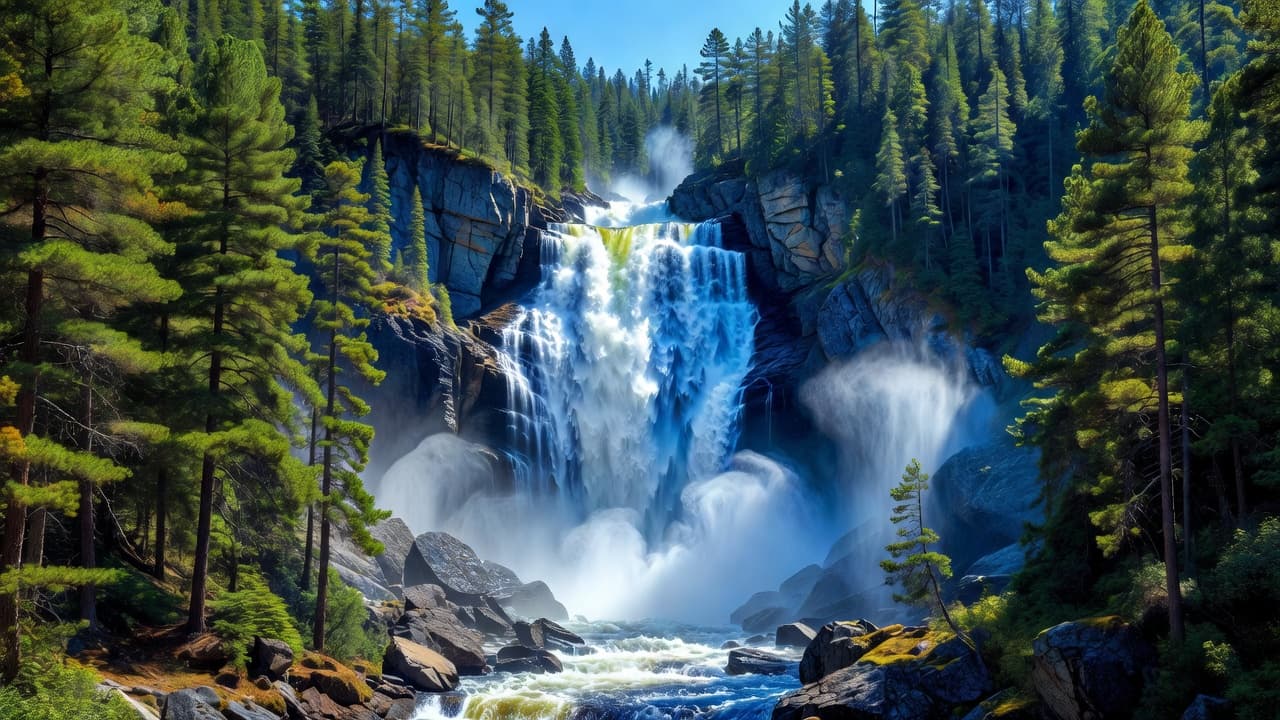
Gooseberry Falls is also close enough to Duluth that you can do it as a half-day trip. If you are starting farther south, it is the cleanest first stop before moving deeper up the shore.
Tettegouche State Park Has the Big Waterfall Feel
Tettegouche State Park is where the North Shore begins to feel truly expansive. The rocky shoreline turns steeper, the forests feel denser, and the Baptism River carves a dramatic path through the deep valley below the trails.
The main High Falls trail is roughly 1.7 miles round trip and leads to a stunning viewpoint over a 63-foot waterfall. You will cross the iconic swinging bridge over the Baptism River early in your trek, then follow a mostly friendly forest trail toward the overlook. While you will encounter some roots, rocks, and uneven sections along the way, most beginners can navigate the path at a relaxed pace.
The water is the clear headline here, but try not to rush back to your car once you finish viewing the falls. Spend a few minutes lingering on the bridge to watch the river funnel through the gorge. Make sure to look up as well, as the pine-covered hills surrounding you are a major reason why this park feels so special.
Tettegouche State Park can easily absorb a full day if you have stronger legs. Shovel Point provides dramatic Lake Superior cliffs, while Palisade Valley offers quieter river scenery. For most first-time visitors, however, combining a trip to High Falls with one short shoreline stop is more than enough.
A Minnesota state park vehicle permit is required to enter this area. We recommend checking the Minnesota DNR’s North Shore waterfall itinerary before you head out, especially if you are visiting during the spring or after heavy rain. Trail conditions and temporary closures can change quickly.

Photo by Quang Vuong
Caribou Falls Is the Best Quick Hike for Beginners
Caribou Falls is the stop I recommend when someone says, “I want a waterfall, but I don’t want a whole thing.”
The trail is about one mile round trip from Caribou Falls State Wayside Rest, off Highway 61 between Little Marais and Schroeder. It is short, mostly flat, and tucked into a pretty pocket of forest. You do not have to earn this waterfall with a punishing climb, which is exactly why it belongs on any itinerary for beginner North Shore hikes.
The falls themselves drop through a narrow rocky chute, and the viewing area gives you a close look without much effort. It is not as big as Tettegouche’s High Falls, but it has a quieter, more intimate feel that makes it one of the true hidden gems of the region.
The parking area is near mile marker 70, roughly 70 miles north of Duluth. Do not count on it during winter. The wayside gates are typically locked, and parking on the highway shoulder creates a problem for snowplows.
Caribou Falls works best as an early stop before Temperance River or a late-afternoon reset after a bigger hike. The easy North Shore hike roundup from Quetico Superior has a few more solid low-mileage ideas if you are traveling with mixed abilities.
Temperance River Gives You Waterfalls and a Proper Gorge
Temperance River State Park is one of my favorite stops on the shore because the river does not behave the way you would expect. Instead of pouring over one obvious waterfall, it cuts through slotted rock, disappears into tight channels, and keeps revealing new angles as you walk upstream.
The Gorge Trail is the main event. Plan on roughly three miles if you want to wander through the best sections at an unhurried pace. There are stairs, roots, rocky ledges, and occasional muddy stretches, so this is a step up from Caribou Falls.
Still, it is not a trail you need to fear. Wear trail runners or sneakers with real grip, keep kids close around drop-offs, and take your time. The gorge can be slick after rain.
Hidden Falls is another good target here, especially if you want a shorter stop. It is easy to miss if you are only focused on the main river, so grab a trail map from the trailhead kiosk before leaving the parking area.
This park is a good reminder that Minnesota waterfall hikes are not all about height. Temperance is about texture. It is about water moving through ancient rock, the scent of cedar and pine in the air, and a river that feels louder than it looks.
For a broader look at waterfall stops near this stretch of Highway 61, this North Shore waterfall collection is useful when you are deciding what to pair with Temperance.
Oberg Mountain Is the View Hike to Add Between Falls
You can chase waterfalls all weekend and still miss the biggest reason to come north: the expansive scenery.
Oberg Mountain Loop is the trail I add when the forecast is clear. As a popular section of the Superior Hiking Trail, this loop is about 2.25 miles with several overlooks facing the water, inland ridges, and the dense forest below. It has some climbing, but the grade is reasonable for beginners who are comfortable walking uphill.
The trail is close to Lutsen and makes a great middle of the day hike when waterfalls are crowded. You won’t find a major cascade here. What you get instead is a string of overlooks where Lake Superior stretches toward the horizon and the shore looks almost untouched. It is easily one of the most rewarding hiking trails in the region.
Fall is the obvious season for Oberg. The maples, birches, and aspens light up against the evergreens, and the blue water gives every overlook a little extra punch. Summer is great too, but bring bug spray. The mosquitoes can be rude.
Keep moving clockwise or counterclockwise, it does not matter much, but don’t rush the loop. The best viewpoints come in small bursts, and the trail has enough roots to punish anyone staring only at the horizon.
If this kind of rugged hiking is your thing, a trip across the water to Michigan is worth saving for later. My Pictured Rocks waterfall hiking guide pairs well with a future Upper Peninsula road trip.
Cascade River Has More Than One Good Stopping Point
Cascade River State Park sits just south of Grand Marais, and it is one of the easiest places to spend more time than planned. The river tumbles through a series of small falls and cascades before reaching Lake Superior, with bridges and paths that make the whole state park simple to explore.
You can keep this hike short by walking to the nearest scenic overlooks. Or you can follow the river farther inland and turn it into a two-to-four-mile outing. That flexibility is why I like Cascade for groups. One person can hang near the main falls while another goes farther up the trail.
The rock beside the river is the main hazard. It is tempting to step out for a better picture, especially when water is lower. Don’t. The dark volcanic rock gets slick, and a short slip can turn a nice day into a long one.
Cascade is also a strong rainy-day option. Overcast skies make the water look dramatic, and the forest provides more shelter than exposed shoreline trails. Parking can still fill on peak summer weekends, though, so an early arrival helps.
The North Shore Visitor waterfall list is a useful way to see how many nearby falls you could add without driving all the way back toward Duluth.
Devil’s Kettle and Grand Portage Are Worth the Extra Drive
North of Grand Marais, the North Shore gets quieter. The drive is longer, but these two waterfall hikes are worth the gas if you have a full weekend or more to spend exploring the region.
Devil’s Kettle at Judge C.R. Magney State Park
Devil’s Kettle is famous for a waterfall that appears to split in two. One side of the Brule River continues downstream, while the other pours into a deep pothole, which led to decades of speculation about where the water went.
The mystery has a practical answer, as studies showed the water eventually returns to the river below. Still, the waterfall is fun to see in person, and the hike has more personality than a simple overlook walk.
Expect around two miles round trip and a fair number of stairs. The trail is not long, but your legs will notice the climb on the way back. Pack water, especially in summer, and do not underestimate this one because the mileage looks friendly.
High Falls at Grand Portage State Park
High Falls on the Pigeon River is the highest waterfall in Minnesota at about 120 feet. It sits at the far northern end of the state, near the Canadian border, and the walk to the viewing platforms at Grand Portage is about one mile round trip.
The trail is accessible compared with many North Shore routes, as it features a boardwalk-style path and established viewing areas. That makes this a strong final stop for hikers who want to see a huge waterfall without a giant effort.
The trade-off is the drive. From Grand Marais, you are committing to more than an hour each way. If you are already heading toward the Grand Portage National Monument or staying nearby, absolutely go. If you only have one short day on the shore, save it for another trip and spend more time around Tettegouche and Cascade.
What to Pack and When to Go
You do not need an extensive hiking kit for most North Shore waterfall trails. Good sneakers or trail runners with reliable tread are usually enough, as the roots and rocks on these hiking trails require more attention than technical mountain terrain.
Bring a small daypack with water, snacks, sunscreen, a rain layer, and bug spray. Lake Superior weather has a mind of its own. A sunny morning in Duluth can quickly become a chilly, foggy afternoon as you travel farther north.
Spring is the best time for waterfall volume. May and early June usually bring strong snowmelt runoff, but the paths can be muddy and blackflies can be relentless. Summer is easier for road trips, swimming, and enjoying long hours of daylight. Fall is my favorite season overall, especially in late September, because the bugs back off and the vibrant colors are hard to beat.
Winter is beautiful, but it requires a different approach. Some parking lots and waysides close during the colder months, including the access point for Caribou Falls. Ice can cover the stairs and rock near the water, so if you decide to go, traction devices and a conservative plan are not optional.
A North Shore Weekend That Doesn’t Feel Rushed
For a first-time two-day trip, I recommend keeping the route tight rather than trying to drive from Duluth to the Canadian border and back in one blur.
On day one, start your journey at Gooseberry Falls, then head north to explore the impressive Tettegouche High Falls. You can finish your afternoon by taking in the iconic sights at Split Rock Lighthouse or finding a scenic overlook along the highway before checking into your lodging in Silver Bay, Lutsen, or Grand Marais.
Day two can start with a stop at Caribou Falls, followed by the rugged beauty of Temperance River Gorge and Cascade River. If you have extra time and energy, add Oberg Mountain to your itinerary for some of the best lake views in the region. It is usually best to save Devil’s Kettle and Grand Portage for a longer trip, or make them the primary focus of a second visit based out of Grand Marais.
This approach ensures your trip is packed with waterfalls, towering pines, dramatic river gorges, and stunning views of Lake Superior without you spending the majority of your time sitting in the driver seat.
Final Thoughts on Minnesota’s North Shore Trails
The best North Shore hikes do not demand huge mileage. A short walk can bring you to a powerful waterfall, a rocky gorge, or a Lake Superior overlook that makes the drive feel small.
Start with Gooseberry, Tettegouche, or Caribou Falls if you are new to the area. Then, add Oberg Mountain or Temperance River when you want a little more trail under your feet. Exploring these top Minnesota waterfall hikes is at its best when you leave enough room to stop, look around, and stay a while.
Minnesota North Shore Waterfall Hike FAQs
What is the best waterfall hike in Minnesota for beginners?
Gooseberry Falls is the easiest all-around choice because you can see several waterfalls on short, established paths. Caribou Falls is even shorter and less demanding, making it a great quick stop for families or hikers with limited time.
Are there any waterfalls near Minneapolis?
If you are looking for an urban waterfall closer to the city, Minnehaha Falls is the most famous destination in Minneapolis. Located within a beautiful park along the Mississippi River, this site offers a scenic escape without needing to drive up to the North Shore. While it is a different experience than the wild landscapes found further north, it remains the premier urban waterfall spot in the state.
What is the tallest waterfall in Minnesota?
High Falls on the Pigeon River in Grand Portage State Park is the highest waterfall in Minnesota at about 120 feet. The walk to the viewing areas is roughly one mile round trip.
Do you need a permit to hike North Shore waterfalls?
Most waterfall hikes inside Minnesota state parks require a Minnesota state park vehicle permit. Gooseberry Falls, Tettegouche, Temperance River, Cascade River, and Judge C.R. Magney are among the parks where you should plan for one. Check current fees and trail notices before driving up Highway 61.
When are North Shore waterfalls strongest?
Spring runoff, usually from May into early June, brings the highest water levels. Heavy rain can also make the falls more powerful. Summer and fall still offer great hiking, but smaller rivers may run lower during dry periods.
Are North Shore waterfall trails safe for kids?
Many are, especially Gooseberry Falls, Caribou Falls, and the accessible paths at Grand Portage High Falls. Stay close to children near rivers, cliffs, wet rock, and overlooks. Water moves fast here, and the most scenic spots often have the biggest drop-offs.



This article brings back memories of my last trip up there – those waterfalls really do feel like they go on forever, almost like you’re discovering some infinite craft of nature.
I’ve been planning a trip to Minnesota’s North Shore for months, and this list is exactly what I needed to narrow down my options. The Rocket Goal for this trip is to see at least five of these waterfalls, and I’m already packing my hiking boots!
I’ve been planning a North Shore trip for next summer and this list is perfect timing – I can’t wait to check out the Gooseberry Falls trail after reading about those stunning lake views. The mention of cell service being spotty actually makes me more excited to unplug and really enjoy nature, though I might need to download snake.io beforehand for some offline entertainment!