From the gateway town of Estes Park, Rocky Mountain National Park looks friendly on a map, but it can humble you fast. The trails start high, the parking fills early, and the weather changes its mind mid-hike. If you want Rocky Mountain day hikes that feel fun instead of frantic, you need a plan that matches your fitness, the season, and the trailhead logistics.
I plan RMNP days the same way I plan flights; I don’t want surprises at the gate. Pick hikes with natural turn-around points, show up earlier than you think, and treat altitude like a real factor, not a footnote.
Key takeaways (save these):
Trailhead Strategy
- Start early (or hike later) to dodge the Bear Lake crunch.
Altitude Tips
- Watch for altitude symptoms early, and don’t try to “push through.”
- Choose hikes with easy bail-out options so altitude can’t trap you.
Weather Reality
- Afternoon thunderstorms can trap hikers; pick routes with bail-out options.
- In winter, assume snow and ice on most trails, bring traction.
- Check conditions the day of on the park’s official updates, not just a generic forecast.
My go-to Rocky Mountain day hikes (with smart turn-around points)
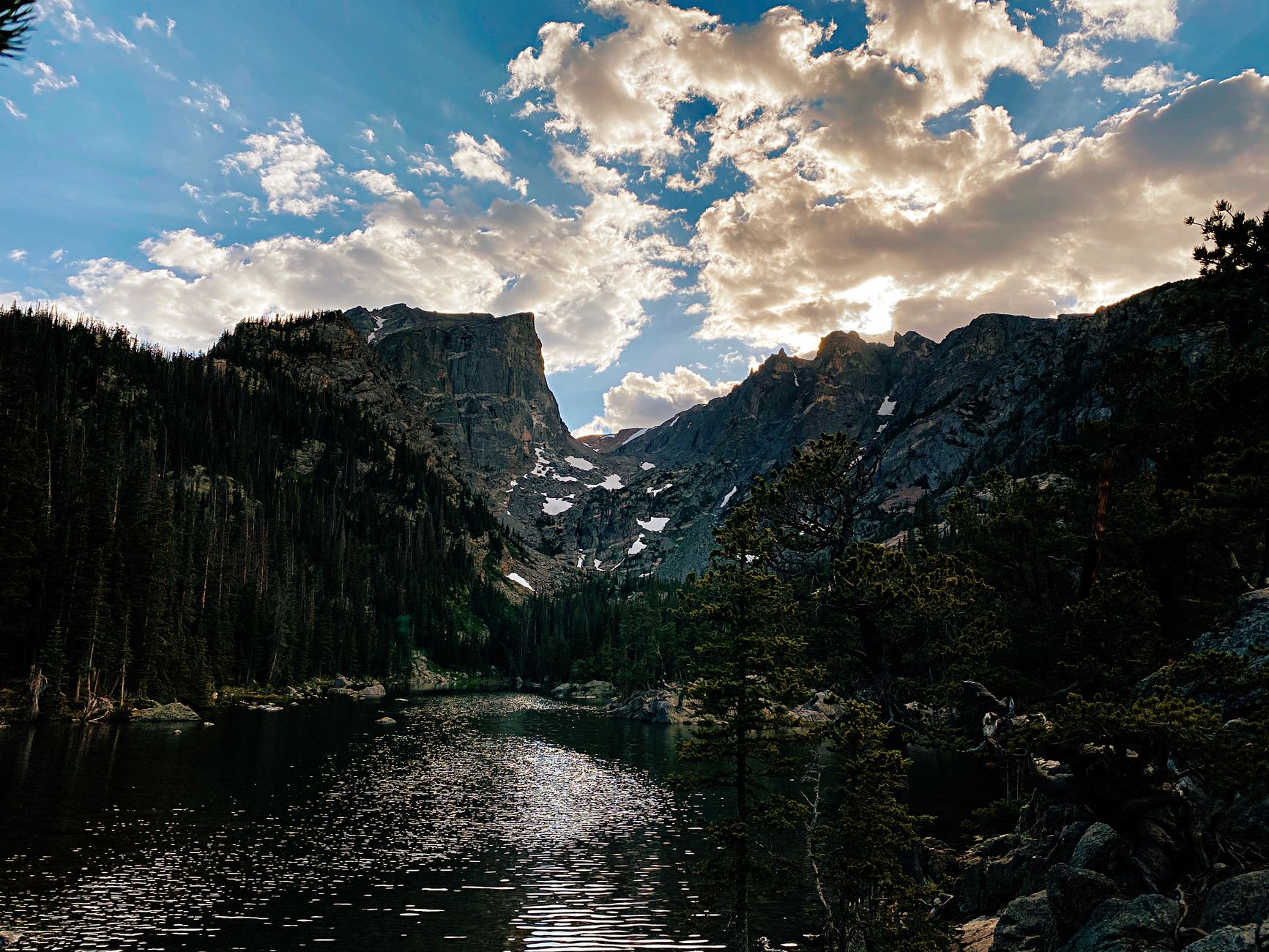 Photo by James Lee
If you’re new to hiking here, the best move is picking routes where you can “call it” without missing the whole experience. That’s why the Bear Lake area works so well. You can string together short alpine lakes, grab big views early, and turn back when your legs (or lungs) say so.
Bear Lake Trailhead (popular for a reason)
The classic pattern is starting at the Bear Lake Trailhead, then heading toward Nymph Lake, Dream Lake, and Emerald Lake. I like it because each alpine lake feels like a reward, and every one is a valid finish line. If you wake up feeling strong, keep going. If altitude hits, you still get a great hike and photos that look like you worked harder than you did.
Besides the alpine lakes, Alberta Falls is another “big payoff, low commitment” option, especially for beginners who want moving water and a clear destination. For more advanced hikers ready for bigger challenges and higher elevation gain, the Glacier Gorge Trailhead provides access to Sky Pond.
For current trail traffic and recent trip reports, I sometimes sanity-check options on the AllTrails easy trails list for RMNP. I don’t follow it blindly, but it helps spot recent ice notes.
Quieter, easier-feeling alternatives
When Bear Lake lots are packed, I pivot to lower and flatter areas. Moraine Park is great for wide views, wildlife viewing, and mellow grades. While Longs Peak looms in the distance, these easier trails offer a safer alternative for beginners. Sprague Lake is a solid choice when you want something short with mountain scenery, especially with kids or anyone easing into altitude.
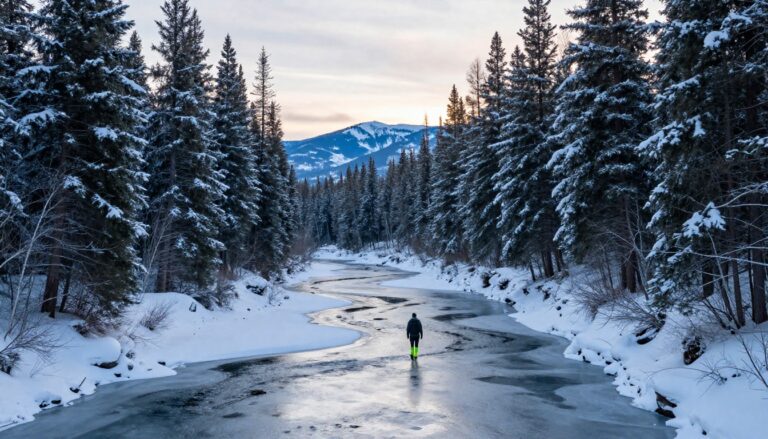
In February, I also like the simple winter walks that start from open road segments and don’t demand big elevation gain. The park can feel like a snow globe, but your footing matters more than your mileage.
Trailhead Parking Strategy: Permits, Parking, and the “Don’t Waste Your Morning” Playbook
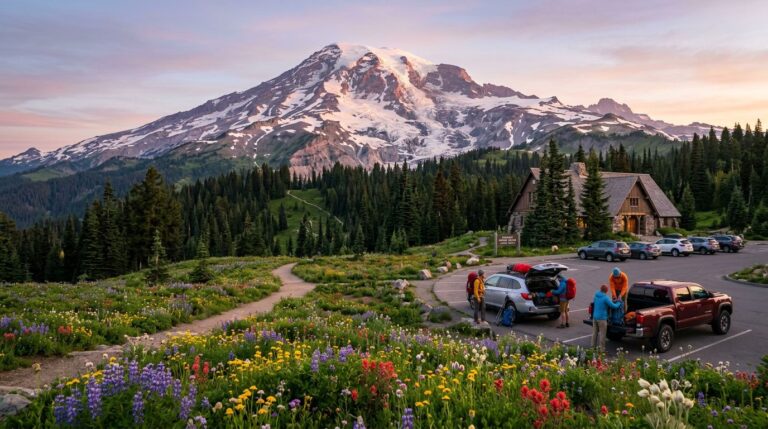
RMNP logistics can make or break your day. I’ve seen strong hikers lose their best hours circling for parking, then start late and rush the entire hike. One reliable alternative is the Park and Ride shuttle, especially for the Bear Lake Road corridor. My fix is boring but effective: commit to an arrival window in your hiking itinerary, and build the hike around it.
Timed entry and when it matters
Timed entry rules usually show up in the busy season, and they can change year to year. Before you set your hiking itinerary, read the park’s official Timed Entry Permit System page and keep the timed entry FAQ open while you plan. Note that the Timed Entry Permit System is distinct from the Park Access permit. If you don’t like reservations, your best alternative is hiking outside peak windows, or choosing trailheads away from the Bear Lake Road corridor.
Winter is different. In February 2026, conditions reports note snow and ice on trails, and road access is more limited than summer. Timed entry may not be the main hurdle, but trail conditions will be.
My simple parking timing rule
Here’s the quick cheat sheet I use for Bear Lake Road corridor trailheads:
| If I arrive… | What parking looks like | My move |
|---|---|---|
| Before sunrise | Easiest day you’ll have | Start the hike, enjoy the quiet |
| Early morning | Fills fast | Go straight to your first-choice lot |
| Late morning | Usually full | Pivot to a back-up trailhead |
| Afternoon | Unpredictable | Choose short, close-by hikes |
The takeaway: your Plan A needs a Plan B. I pick a second hike that starts elsewhere, so I never feel stuck.
My most reliable RMNP “hack” is not a trail at all, it’s having a back-up trailhead picked out before I lose cell service.
Altitude tips and the weather reality (especially in February)
The park’s beauty comes with two constant pressures: thin air and fast weather swings. Beginners can handle both, but only if they stop treating them like rare events.
Altitude tips that actually help
A lot of RMNP hikes begin around 8,000 feet, and with significant elevation gain it only goes up from there. If you live near sea level, your body notices the thinner air. My approach is simple: go easier on day one than you think you need to, then build up.
What works for me and most people I hike with:
- Drink water steadily (clear urine is a good sign).
- Eat small snacks often, especially carbs.
- Skip alcohol the night before a big hike.
- Pace yourself so you can talk in short sentences.
If you want a straightforward prep list, Visit Estes Park’s altitude tips line up with what I see on the ground.
Altitude sickness symptoms like headache plus nausea at altitude are your cue to stop climbing. Turning around early beats a miserable rescue story.
Weather: plan for change, not the forecast
In February 2026, the park reports snowy and icy trails, with Bear Lake Road open for winter driving but winter conditions expected. Trail Ridge Road is closed to through-traffic in winter, impacting access to higher elevation trailheads, with only limited sections accessible from entrances for short walks, so don’t plan on a scenic drive “saving” your day if the trails feel tough. Before you leave, check the park’s Current Conditions and read the park’s All About Weather page for what shifts with elevation, especially above treeline in the alpine tundra. The park’s location along the Continental Divide contributes to these unpredictable weather patterns.
For real-time forecasting, I trust the National Weather Service RMNP page more than a phone app summary.
One more winter truth: traction is not optional most days. Microspikes are the preferred traction device and turn a sketchy, icy trail into a normal walk. If you’re unsure, call the park information line (970-586-1206) and ask what hikers are using today.
Conclusion
RMNP is an easy place to overreach, because every view makes you want “one more mile.” I keep my days fun by pairing flexible Rocky Mountain day hikes with early trailhead timing, conservative altitude pacing while monitoring elevation gain, and a weather check I actually trust. Rocky Mountain National Park day hikes offer something for all skill levels. Make a plan, pack traction when needed, and give yourself permission to turn around. You’ll still have a great day. Afterward, enjoy some time in Estes Park.
Rocky Mountain National Park day hike FAQs
Do I need timed entry for Rocky Mountain day hikes?
Sometimes, yes, especially in peak season and in high-demand areas. Always confirm on the official Timed Entry Permit System page via the Timed Entry Permit System before you go.
What’s the best beginner area for scenic lake views?
The Bear Lake corridor is hard to beat because you can stop at the first lake and still feel satisfied, with Emerald Lake as a top recommendation further along. It’s also very busy, so I plan an early start.
What are good moderate day hikes beyond the beginner areas?
For more challenge, try Chasm Lake or Sky Pond as stunning alternatives to the easier Bear Lake loops. Both offer rewarding views with some steeper sections.
What iconic landmarks are visible from RMNP day hike trails?
Longs Peak stands out as an iconic landmark visible from many trails, especially in the Bear Lake area and along ridges with clear sightlines.
What should I bring for hiking RMNP in February?
Plan for snow and ice on trails. I bring traction, warm layers, gloves, and sunglasses (snow glare is real), then I confirm details on the NPS Current Conditions page.
What if I start feeling altitude sickness on the trail?
Slow down, hydrate, and stop gaining elevation. If symptoms don’t improve, turn back and descend, because that’s the fastest fix.