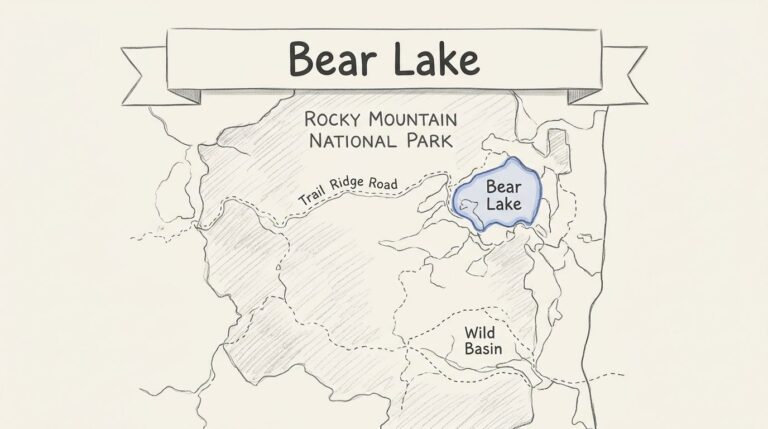
If you’re seeking the best day hikes in Glacier without the stress of Going-to-the-Sun Road tensing your shoulders before you even lace up your boots, you’re not alone. Between parking stress, crowded trailhead parking, slow traffic, and the “did we plan this right?” feeling, it can turn Glacier National Park day hikes into a long day behind a windshield.
Here’s my opinionated take: you can have amazing Glacier National Park day hikes without centering your trip on Going-to-the-Sun Road. I do it all the time by picking trailheads that feel calmer and more predictable, then building a day around one valley instead of chasing highlights.
One quick seasonal reality check, since it’s February 2026 right now: most higher trails are buried, and the alpine part of Going-to-the-Sun Road is closed for winter conditions. If you’re visiting soon, stick to low-elevation walks and always check current closures and avalanche risk first (the park can change fast after storms). For a winter-minded backup plan, I like this guide on what to do when the road is closed.
Key takeaways (so you can plan in minutes):
- Pick one area per day (Many Glacier, Two Medicine, West Glacier, or North Fork) and commit to it.
- Start early if you want easy parking and quieter trails, especially in summer.
- Beginner-friendly doesn’t mean boring here, lakes, waterfalls, and big peaks still show up on shorter routes.
- If you’re visiting in winter or shoulder season, aim low and treat snow and ice like the main challenge.
How I plan stress-free days (before I even choose a trail)
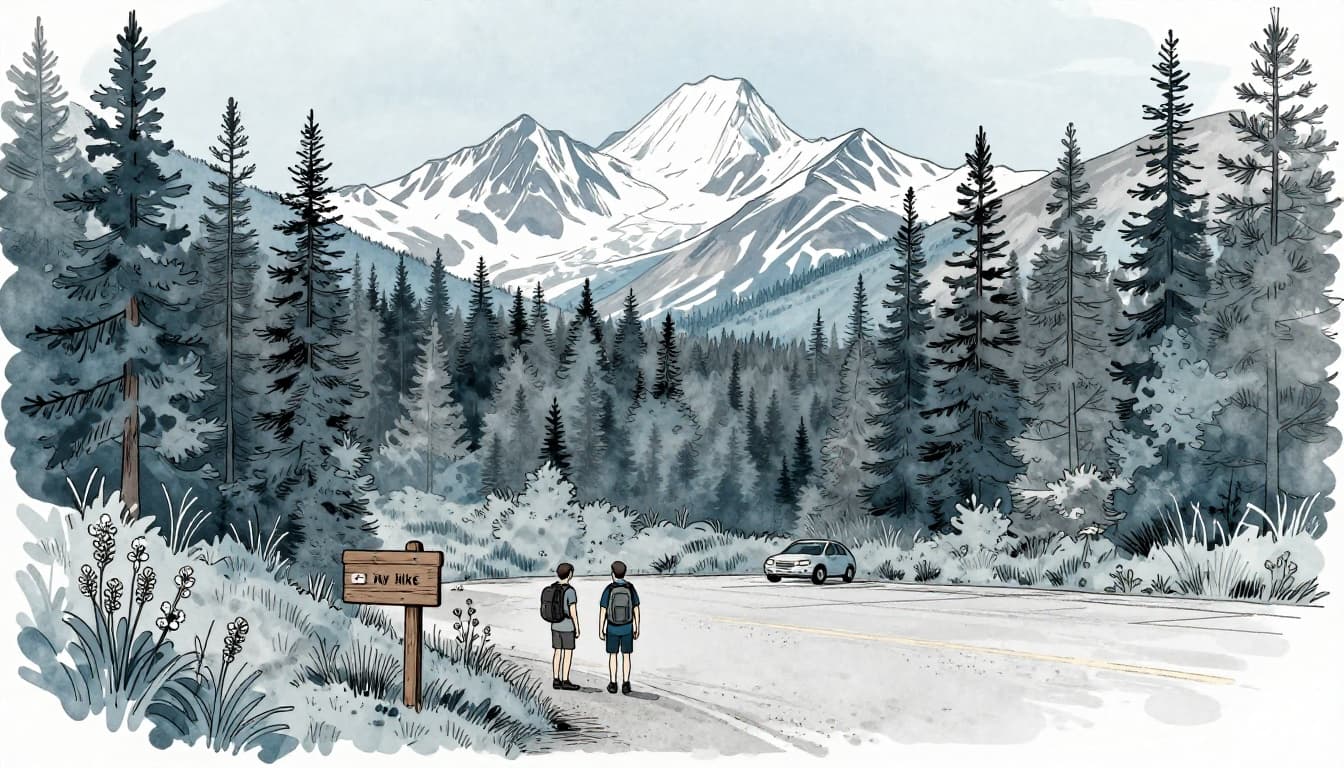
I treat Glacier like a choose-your-own-adventure book for Glacier National Park day hikes, not a scavenger hunt. The fastest way to ruin a Glacier National Park day hike is trying to “just pop over” to another part of the park. Distances are bigger than they look on a map, and the popular corridors can feel like a funnel.
My simple rule is one valley per day, and I pick the valley based on what I’m trying to avoid: traffic, parking stress, or crowds. Factor in trailhead logistics like trailhead parking upfront. If I want the calmest experience, I lean toward Many Glacier area and Two Medicine area on the east side of Glacier early in the morning, or North Fork if I’m okay with a rougher road.
This quick table is how I explain it to friends planning their first trip:
| Area | What it feels like | Best for beginners | Main trade-off |
|---|---|---|---|
| Many Glacier area | Big views, classic Glacier energy | Lake loops, short waterfalls, boat tours | Can still get busy mid-day |
| Two Medicine area | Quieter, family-friendly vibe | Short falls, mellow lakeshore walks, boat tours | Longer drive for many visitors |
| West Glacier entrance (Apgar, Lake McDonald) | Easy access, lots of options | Flat nature trails, lakeshore strolls | Crowds near popular stops |
| North Fork (Polebridge area) | Remote, peaceful, “backroads” | Low-key lakes and forest walks | Gravel roads, slower travel |
My best “no stress” move is boring on purpose: I pack lunch, fill water early, and assume I won’t have cell service when I need it.
One more practical note for 2026 planning: reports this season indicate no Going-to-the-Sun Road vehicle reservation for Many Glacier area, Two Medicine area, or North Fork, bypassing the Going-to-the-Sun Road vehicle reservation and vehicle reservation system required along the main Sun Road corridor. The vehicle reservation system confirms no Going-to-the-Sun Road vehicle reservation applies there (unlike the west entrances), though summer operations can still bring temporary delays when lots fill. Also, if you want road updates without refreshing pages all day, visit the St. Mary Visitor Center or use Glacier’s text alert system (look for the “GNPROADS” updates mentioned in current park communications).
If you want more ideas that skip the main road corridor, including the free Glacier National Park shuttle, this list of Going-to-the-Sun Road alternatives and no-ticket ideas lines up with how I plan.
East-side day hikes that feel calmer (Many Glacier and Two Medicine)
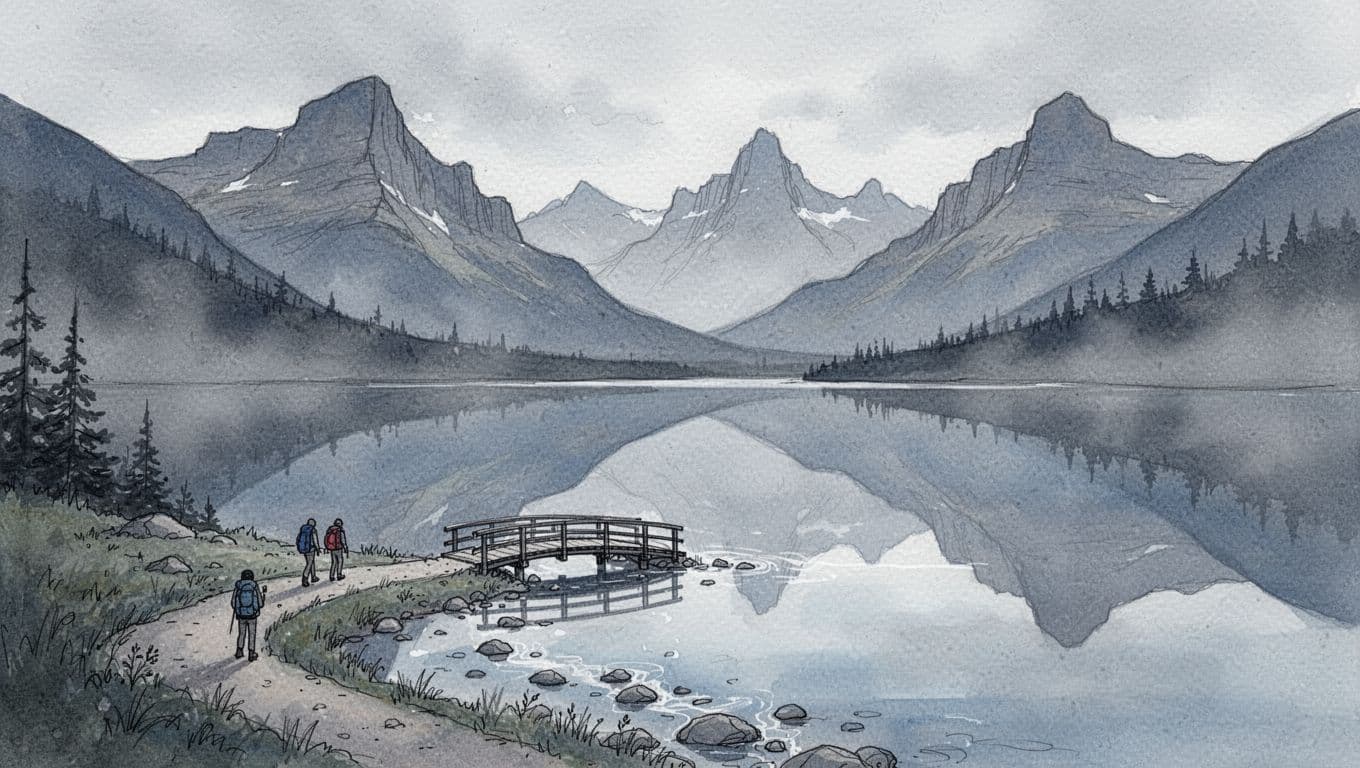
If you ask me where to go for “wow” views without the Going-to-the-Sun Road pressure, I usually say Many Glacier first on the east side of Glacier. It’s not empty, but it’s more straightforward: one main road in from the St. Mary Visitor Center, a handful of trailheads, and scenery that shows up fast.
For true beginner Glacier National Park day hikes, I like these patterns in the Many Glacier area:
Swiftcurrent Lake Nature Trail works when you want a low-commitment loop with big payoff. The walking is friendly from trailhead parking near the Swiftcurrent Motor Inn, and the views feel like someone painted them on. I treat it as a “first hike” that helps you judge your energy for the next day, or pair it with boat tours by Glacier Park Boat Company.
Apikuni Falls is my go-to for a short hike that feels like you earned it in the Many Glacier area. The grade wakes up your legs, and the waterfall gives you a clear destination. If you’re new to hiking, it’s a great test piece: not long, not technical, but it feels real (unlike the Grinnell Glacier trail nearby, with its steep elevation gain).
Two Medicine is my backup when Many Glacier feels too busy, another spot on the east side of Glacier. The trail options scale well for beginners in the Two Medicine area, and it’s easier to make a quiet day out of it.
Running Eagle Falls is short and sweet, especially good for mixed groups. Paradise Point (lakeshore) is another easy win when someone wants views but not a workout. These are standout Glacier National Park day hikes in the Two Medicine area.
Keep in mind though, 2026 updates mention spring utility work and road closures in Two Medicine at times, so I’d check access before you drive over.
If you want a bigger menu of easy options to mix and match, Glacier Guides has a solid roundup of short, easy hikes in Glacier.
West-side hikes that avoid Logan Pass drama (and still feel like Glacier)
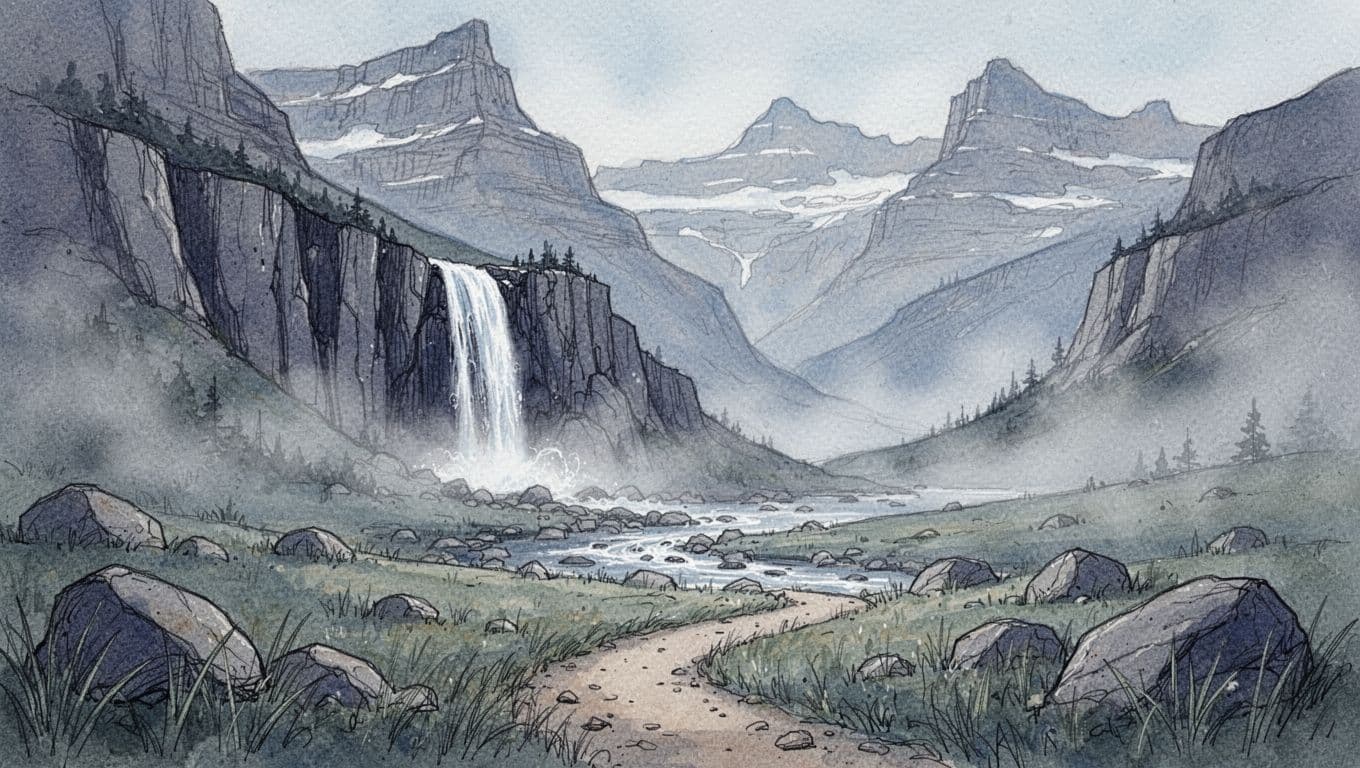
On the west side, my goal is simple: stay low, stay early, and keep my plan flexible. You can build a full day around Lake McDonald and Apgar without committing to the slowest, most stressful parts of Going-to-the-Sun Road, skipping the crowds and trailhead logistics at Logan Pass Visitor Center, Highline Trail, or Hidden Lake Overlook.
When I’m guiding beginners, I start with Trail of the Cedars. It’s short, scenic, and forgiving with minimal elevation gain, plus it’s the kind of trail that makes you stop talking for a minute. The forest is the feature, delivering alpine scenery without a strenuous alpine pass.
If everyone feels good after that, I’ll add another easy leg nearby (often a lakeshore stroll or a mellow out-and-back). In summer, I also like having a “traffic-proof” afternoon plan: picnic by the lake near Lake McDonald Lodge, short nature walk, then an early dinner instead of fighting for parking at prime time.
Now, about Avalanche Lake trail: it’s a classic Glacier National Park day hike, and it’s worth doing with its rewarding alpine scenery and moderate elevation gain, but it can come with corridor hassles. My compromise is to treat the Avalanche Lake trail as an “early bird” hike (or use the free Glacier National Park shuttle for trailhead parking if services are running). Same scenery, less frustration. The free Glacier National Park shuttle also helps with trailhead parking for other west-side options.
Winter and shoulder season are different. Right now (February 2026), higher routes are snowed in and the alpine road section is closed, so I’d keep expectations realistic. Low-elevation walks can still be great Glacier National Park day hikes, as long as you bring traction and turn around when conditions get slick. For any summer plans, the free Glacier National Park shuttle remains a smart fix for trailhead parking issues.
If you want more variety beyond the big names, I’ve used this list of dayhike ideas across the park to sanity-check options when I’m building an itinerary.
Conclusion
Going-to-the-Sun Road is famous for a reason, but it’s not the only way to have a great day on Glacier National Park day hikes. When I plan Glacier National Park day hikes, I pick quieter areas offering the best day hikes in Glacier, those crossing the Continental Divide with moderate elevation gain and stunning alpine scenery; I start early, and let one valley be the whole story. That mindset keeps the trip fun, even when the park is busy. If you want one takeaway, it’s this: a calm trailhead beats a perfect checklist.
FAQs
Do I have to drive Going-to-the-Sun Road to enjoy Glacier?
No. Many Glacier, Two Medicine, and North Fork can deliver huge scenery without making the main road the center of your day. On the west side, you can also stay near Lake McDonald and keep things low-key.
Are these hikes good for true beginners?
Yes, these Glacier National Park day hikes are good for true beginners if you choose shorter trails and keep your pace relaxed. For trails with significant elevation gain, I recommend trekking poles. I still carry the basics (layers, water, snacks), and for grizzly bear safety I always pack bear spray in bear country. Following grizzly bear safety guidelines means having bear spray readily accessible and knowing how to use it; that’s why I carry an extra canister of bear spray too.
What’s the least stressful time of day to start?
Early morning, almost always. If I’m at the trailhead by 7:00 to 8:00 am in peak season, trailhead parking is simpler and the first miles are quieter. You can also use the free Glacier National Park shuttle to avoid crowds.