Want the short version? The best hikes Colorado offers in the Rocky Mountains are not always the tallest, hardest, or most famous. The best days come from matching the trail to the season, your fitness, and the reality of hiking at elevation.
That matters even more in Colorado, because a perfect low-elevation morning can beat a rough, icy summit push every time. It is better to pick a trail with fast payoff and solid views than to waste a day chasing hype.
Key takeaways:
- Start lower to manage elevation gain if you are new to Colorado altitude.
- Bear Lake, Fountain Valley, and Mount Falcon are the standout beginner picks.
- Sky Pond, Blue Lakes, and the Four Pass Loop are worth the bigger effort.
- Marquee trails like Hanging Lake and the Maroon Bells run on permit, reservation, and shuttle systems, so plan access before you go.
- In early spring, lower trails are the smart play in Rocky Mountain National Park, while high peaks still need winter gear.
What makes a hike one of the best in Colorado
A trail makes this list if it gives you a big reward for the effort, has clear planning needs, and still feels fun when conditions are not perfect.
That rules out a lot of famous hikes. Some are beautiful, but the crowds (common for trails near Denver), the access headaches at a national park, or the altitude hit too hard for out-of-towners and most first-timers. The best hikes in Colorado balance scenery with realism. You want a trail that fits your actual day, not your fantasy version of it.
For a wider compare-and-contrast list, 5280’s roundup of Colorado hikes is a solid starting point. Still, choosing for a friend means keeping the shortlist tighter.
Beginner-friendly Colorado hikes that still feel big
If you are new to hiking here, start with trails that feel scenic fast. That way, if altitude or weather starts pushing back, you can turn around without feeling cheated.
Bear Lake and Dream Lake in Rocky Mountain National Park are classic for a reason. Reach the trailhead early to beat the crowds at the parking area, then follow an easy path that runs under 4 miles round trip if you string Bear Lake up to Nymph, Dream, and Emerald lakes. The scenery shows up early, and even a short day feels worth it. If Rocky Mountain is on your list, this guide to Rocky Mountain National Park day hikes will save you time on parking, timing, and altitude prep, and the Rocky Mountain National Park map shows where to focus first.
Near Denver, the Fountain Valley Trail in Roxborough State Park is one of the best easy hikes in the state, a roughly 2.2-mile loop just south of the city. The red rock formations feel dramatic (reminiscent of the free Garden of the Gods park in Colorado Springs), but the trail stays friendly for beginners. It is the kind of hike that looks harder than it is, which is a nice trick to pull on a vacation.
Mount Falcon Park near Morrison is another good pick when you want foothill views and a bit more climbing without a huge commitment. Its Castle Trail loop options range from a short couple of miles to a longer workout, so you can scale the day to your legs. For a quick lung test near Boulder, the Marshall Mesa trails and the Chautauqua trailhead at the base of the Flatirons are two separate, easygoing warm-ups if you just landed, slept poorly, and want to feel how your body handles elevation.
For beginners, that is the sweet spot on any hiking trail. Start with beauty, not brute force.
Moderate hikes and classic trails worth the extra work
Once you have your trail legs, Colorado gets really fun.
Sky Pond is one of the most rewarding bigger day hikes because it keeps building. You pass alpine lakes and waterfalls, climb steadily over roughly 9 to 10 miles round trip, and finish with panoramic views in a dramatic alpine setting that feels far bigger than a normal day hike. It is a strenuous outing, though, so it should not be your first Colorado trail if you live near sea level.
The Blue Lakes Trail near Ridgway, in the Mount Sneffels Wilderness, is another standout. The water color barely looks real, and the climb stays honest without turning miserable. Lower Blue Lake runs about 6 miles round trip, while pushing on to the middle and upper lakes turns it into a hard day of roughly 8.5 miles and 2,500 feet of gain. For that high-country postcard look without committing to a multi-day trip, it is one of the first hikes worth mentioning.
Then there is the Four Pass Loop. This is not a casual recommendation. It is a hard backpacking trip of about 26 to 28 miles in the Maroon Bells-Snowmass Wilderness near Aspen, crossing four passes above 12,000 feet with roughly 8,000 feet of climbing and weather that can change fast. Access to the iconic Maroon Bells runs on a reservation and shuttle system, and the loop itself requires an overnight wilderness permit, so book ahead. For a backpacking trip without the Rocky Mountain crowds, the Indian Peaks Wilderness is a great alternative. CleverHiker’s Four Pass Loop guide lays out mileage, permits, and camping clearly for trip planning. If the Four Pass Loop feels like a bigger commitment for your first trip, this guide to Colorado Trail section hikes for first-time backpackers covers shorter, gentler overnight options.
One thing worth saying out loud: 14,000-foot peaks are not the best choice for most visitors. Some are fantastic. Still, the risk-to-fun ratio gets worse fast when you are tired, under-acclimated, or chasing a summit just to say you did it.
Permits, reservations, and trail access to plan around
Colorado’s most famous hikes are not always walk-up trails. A few of the marquee names run on access systems that fill up well in advance, so the planning matters as much as the hiking.
- Rocky Mountain National Park uses a timed-entry reservation system in the busy season (it runs from late May through mid-October), which is separate from the park entrance fee. Walk this through with the Rocky Mountain timed entry guide before you book travel.
- Hanging Lake, in Glenwood Canyon, requires a paid permit and reservation, with shuttle access in summer. The trail was rebuilt after wildfire and flood damage and reopened with that managed system, so a permit is mandatory rather than optional.
- The Maroon Bells near Aspen require a parking or shuttle reservation to reach Maroon Lake during the operating season, and the Four Pass Loop adds a separate overnight wilderness permit.
If you are building a longer Colorado trip around these hikes, it helps to anchor the itinerary on the parks. The Rocky Mountain National Park itinerary covers a first visit, the Great Sand Dunes itinerary handles the tallest dunes in North America, and both the Black Canyon of the Gunnison itinerary and the Mesa Verde itinerary round out the state’s other national parks.
If your route swings through the state’s quieter northwest corner, the Dinosaur National Monument hiking guide covers the Harpers Corner Trail and a famous fossil-wall exhibit on the Utah side.
When to hike in Colorado
Timing can make or break your day here. July through September is prime for alpine trails and wildflowers, but storms build fast in the afternoon, so start early. Late September into early October is the best window for aspens, cooler temps, and quieter trails.
In early spring, lower-elevation hikes are the better bet for most people.
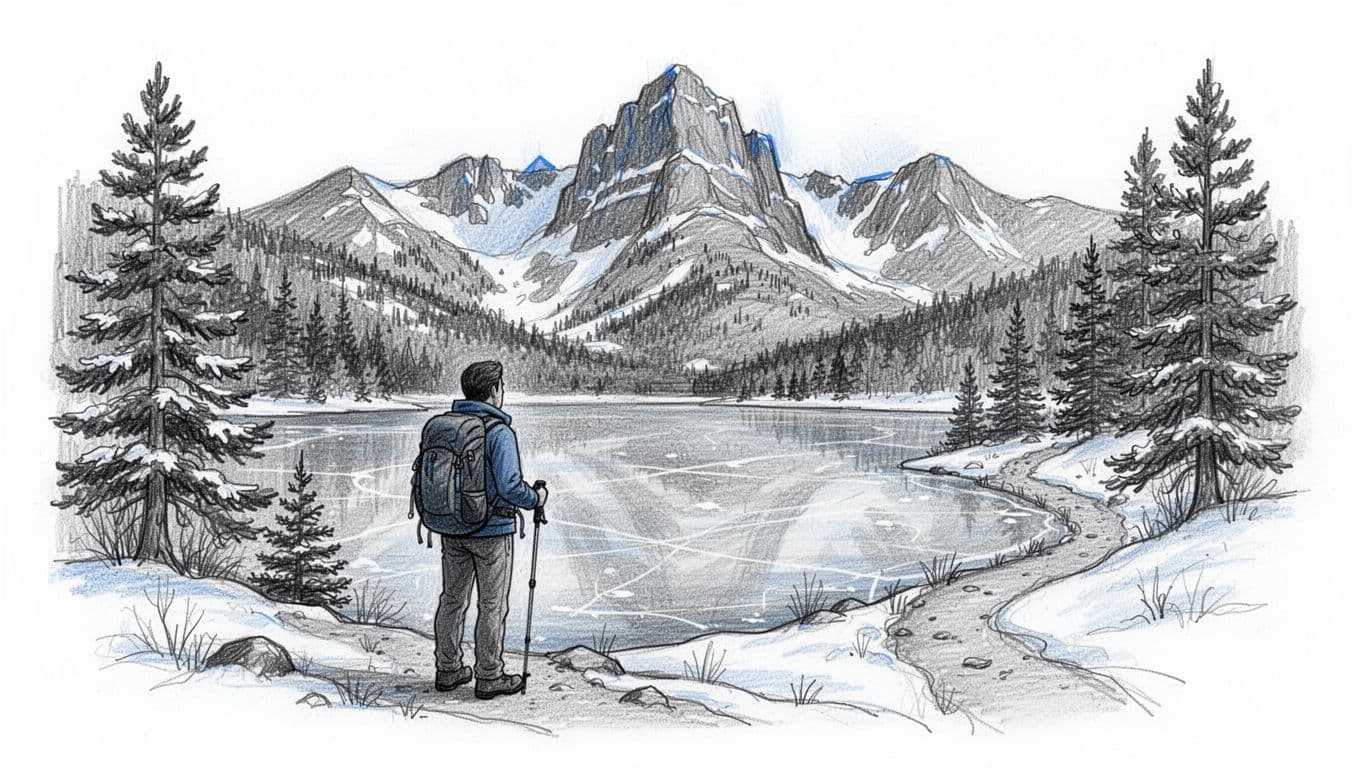
Before the high country melts out, foothill routes near Denver like Marshall Mesa, Mount Falcon, Red Rocks, and Fountain Valley stay reliable. In Rocky Mountain National Park, short hikes from plowed areas such as Bear Lake and Dream Lake can work, but packed snow and ice are common, and reaching more remote trailheads in the off-season often requires a four-wheel-drive vehicle with high clearance. It is smart to skip Longs Peak, Mount Bierstadt, and most high 14ers in shoulder season, along with Hanging Lake, unless you already hike in winter and carry traction.
Before any trip, check Colorado trail conditions on AllTrails. For more ideas after that, skim Fox in the Forest’s Colorado hike picks and narrow from there. And if Colorado is one stop on a bigger trip, the roundup of the best USA day hikes puts these trails in national context.
The best hikes in Colorado are the ones you will actually enjoy, not just survive. Better trips come from starting early out of Denver, respecting altitude and elevation gain, and picking a hiking trail that fits the season. Choose the right hike for the day in front of you, not your ego, and Colorado usually gives you an excellent day back.
FAQs about the best hikes in Colorado
What’s the best beginner hike in Colorado?
For a single pick, Bear Lake delivers alpine scenery and Fountain Valley delivers red rock views. Both feel rewarding without asking too much.
What’s the best time of year to hike in Colorado?
For high alpine trails, July through September is ideal. For aspens, late September is hard to beat. In early spring, stick to lower trails unless you are carrying winter gear for summits on higher peaks.
Do I need microspikes in Colorado?
Often, yes. From late fall through spring, many mountain trails hold snow and ice. In shoulder season, microspikes are worth carrying for Rocky Mountain National Park and other higher routes.
Are permits needed for some Colorado hikes?
Yes. Hanging Lake requires a paid permit and reservation, the Maroon Bells require a parking or shuttle reservation, and Rocky Mountain National Park uses timed-entry reservations in the busy season. Always check access details before you drive out, especially for marquee trails and national park hikes.