Washington packs a lot into one state. You can walk through coastal rainforest one day, chase waterfalls the next, and still feel like you have barely scratched the surface. That range is exactly why picking a first trail can feel overwhelming.
The best hikes in Washington for first-timers are the ones with huge scenery and simple planning. For most beginners, that means starting low, checking elevation gain and trailhead details, picking trails with clear payoffs, and saving the big suffer-fests for later. Early in the season it matters even more, because high routes still hold snow and mud well into summer.
Quick picks for the best hikes in Washington
Here is the short list to hand a friend who wants the good stuff without wasting a weekend. Distances and elevation figures below come from the Washington Trails Association trail database.
| Hike | Area | Roundtrip distance | Elevation gain | Effort | Why it makes the list |
|---|---|---|---|---|---|
| Hurricane Hill | Olympic National Park | 3.2 miles | 650 ft | Easy to moderate | Huge views for modest work |
| Hoh Rain Forest loops | Olympic National Park | 0.8 to 1.2 miles | Minimal | Easy | Mossy forest, simple logistics |
| Wallace Falls | Gold Bar, near Seattle | 5.6 miles | 1,300 ft | Moderate | Big waterfall payoff close to the city |
| Skyline Trail | Mount Rainier | 5.5 miles | 1,700 ft | Moderate | The classic volcano day hike |
| Heather-Maple Pass Loop | North Cascades Highway | 7.2 miles | 2,020 ft | Moderate to hard | Best loop for alpine drama |
| The Enchantments | Leavenworth area | 18 miles one-way | 4,500 ft | Hard | Washington’s dream hike |
Not every trail is a four-season winner. Early in the season, lower routes like Wallace Falls and the Hoh Rain Forest are the safer bets, so check trailhead conditions first. The Skyline Trail and Hurricane Hill can still hold snow, and the Heather-Maple Pass Loop often needs more melt-out time. When the high country is still locked up, go low and let it wait.
Beginner-friendly hikes that still feel unforgettable
For a first Washington hiking trip, the Olympic Peninsula is the easiest place to start. The state’s easiest wow-factor day hike is usually Hurricane Hill in Olympic National Park, where panoramic views of the Bailey Range and the Strait of Juan de Fuca feel far bigger than the modest 650 feet of climbing from the Hurricane Ridge trailhead. Access can shift with weather in late winter and early spring, so keep a backup in your pocket. The Olympic National Park map guide breaks down which areas open first.
The safer Olympic backup is the Hoh Rain Forest. The short loops there, like the Hall of Mosses and the Spruce Nature Trail, are nearly flat and easy to follow from the visitor center trailhead. They are lush and weird in the best way, like walking through a green tunnel after rain (my friend Andy’s Hoh Rain Forest photos capture it well).
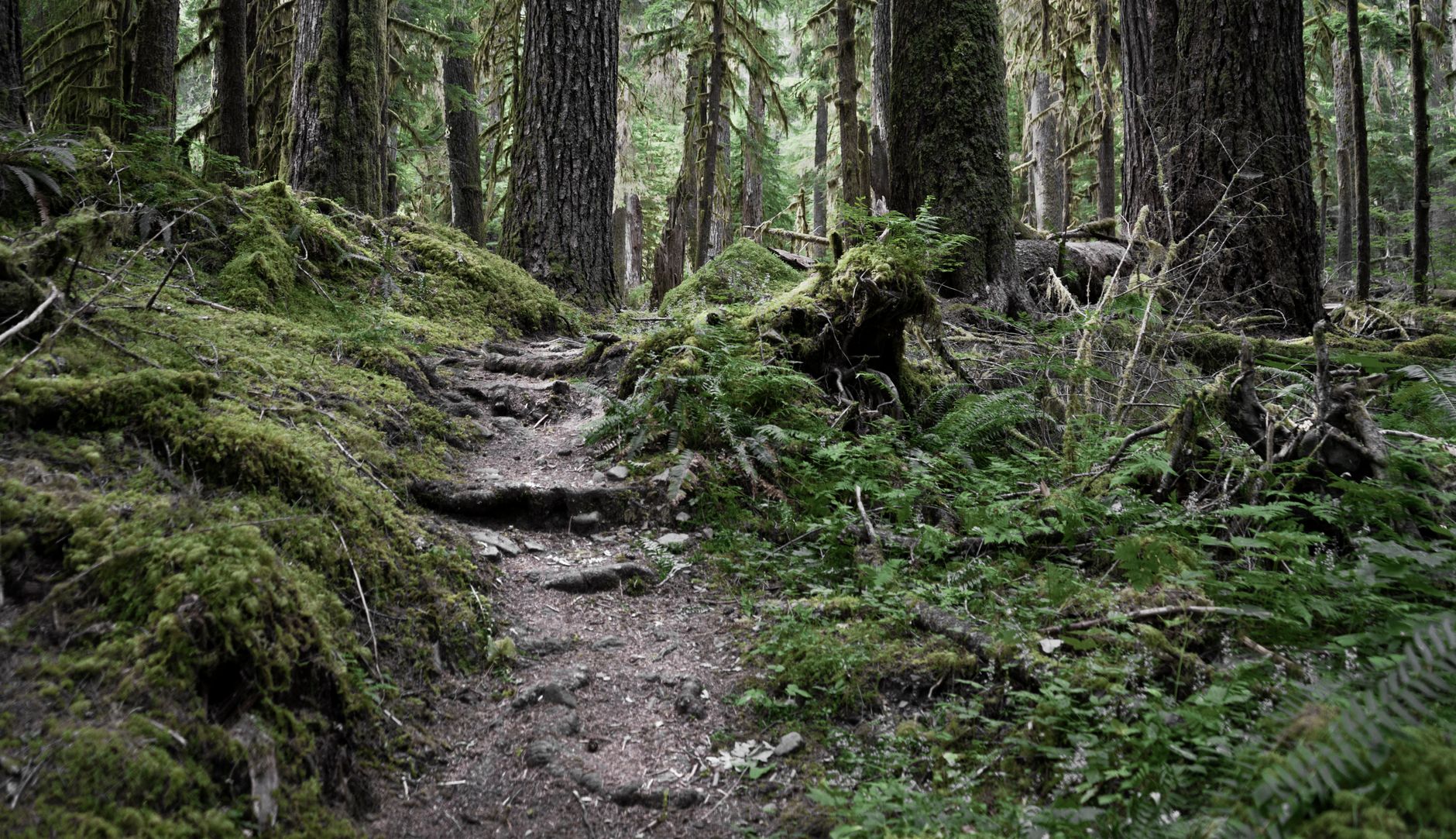
Photo by Robert Schrader
To turn those trails into a full trip, the Olympic National Park 2 to 4 day hiking itinerary lays out a clean plan without too much driving.
Closer to Seattle, Wallace Falls near Gold Bar is a standout beginner pick when you want a local trail instead of a national park. A Discover Pass is required for parking, and yes, it gets busy, but for good reason. You get a real climb of about 1,300 feet, several viewpoints, and a strong waterfall finish over 5.6 miles. In the shoulder seasons, expect mud and wet roots. That is normal. Waterproof shoes help, and trekking poles help even more.
If you are new to hiking, this is the sweet spot. You still earn the view, but the trail does not punish you for being new.
Iconic Washington hikes with the biggest mountain payoff
For pure mountain scenery, Mount Rainier comes first. The Skyline Trail out of Paradise is the headliner because it works for a wide range of hikers, with panoramic views of the volcano, summer wildflower meadows, and Myrtle Falls along the way. You can keep it short by turning around at Myrtle Falls, or commit to the full 5.5-mile loop and its 1,700 feet of climbing. The Mount Rainier map guide shows how Paradise fits with the rest of the park.
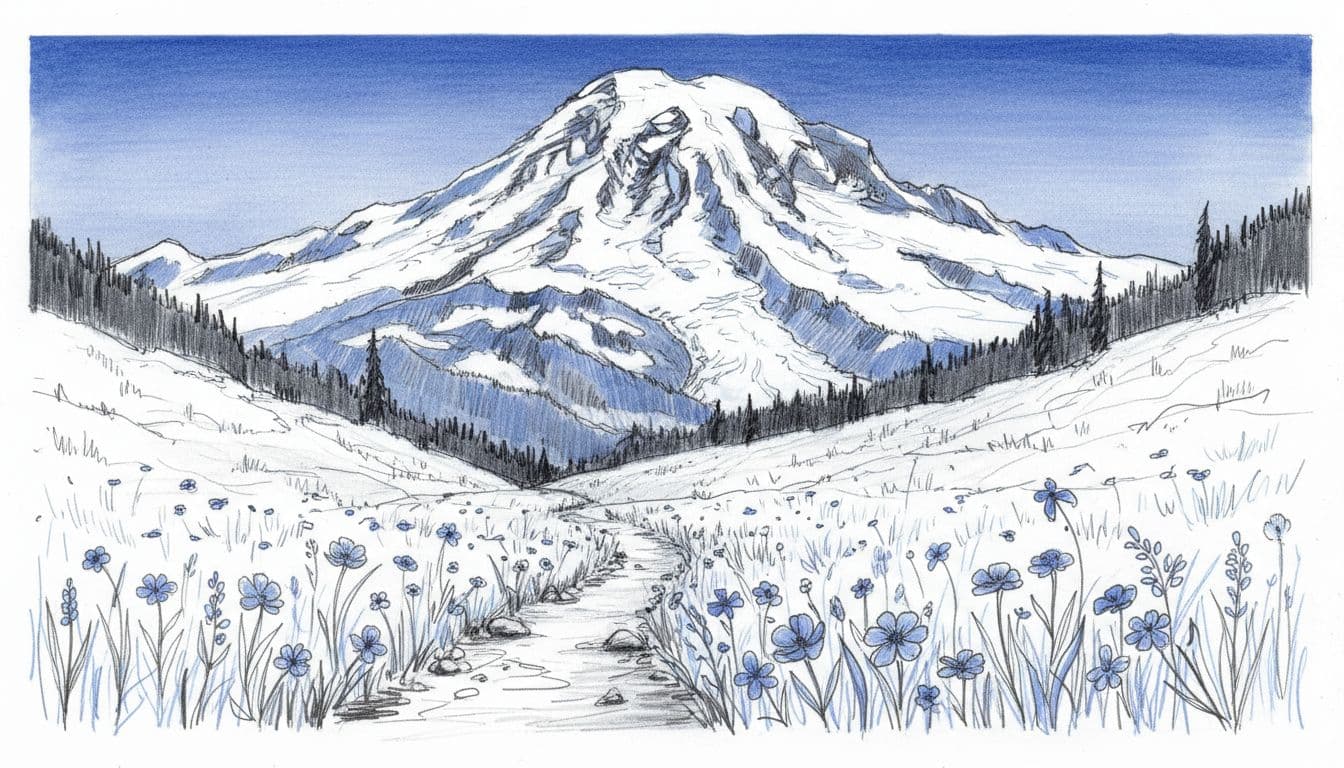
The catch is access and timing. In spring, snow can linger at the Paradise trailhead, and parking fills fast on clear days. A little planning goes a long way, which is why these Paradise parking tips are worth a read before you commit to the drive. If you only have one day, the Mount Rainier one-day itinerary maps out a route that pairs Skyline with the best viewpoints.
Then there is the Heather-Maple Pass Loop on the North Cascades Highway. If Skyline is the classic volcano day hike, this 7.2-mile loop near Rainy Pass is the classic alpine loop. It strings together Lake Ann, two high passes, and ridgelines that brush the boundary of North Cascades National Park, with lakes and jagged peaks that feel almost too dramatic to be real. It is not a beginner trail early in the season. Snow and ice hang around on the north-facing slopes, and the route is far better when it is dry. To build a bigger day around it, the North Cascades one-day itinerary pairs it with easier alpine stops.
The seasonal rule is simple. In spring, lean on Rainier’s lower routes and Olympic trails. By late summer and early fall, the Heather-Maple Pass Loop jumps to the top of the list, when the larches turn gold and the meadows light up. The North Cascades map guide helps you sort out which trailheads are reachable, since Highway 20 closes through winter.
The one stretch-goal hike to save for later
The Enchantments in the Alpine Lakes Wilderness deserve their reputation. The basin is stunning, with granite walls, larches, and pristine alpine lakes like Colchuck and Perfection, but it is also a serious test. The standard through-hike starts at the Stuart Lake trailhead, climbs to Colchuck Lake with more than 2,200 feet of gain in the first few miles, then grinds up Aasgard Pass before finishing at the Snow Lakes trailhead. It runs about 18 miles one-way with roughly 4,500 feet of total elevation gain, so it is a long day even for fit hikers.
This is a goal, not a beginner must-do. Build confidence on Rainier, Wallace Falls, and a few harder loops first, then go chase the big one. Overnight trips and most day visits in the core require a permit, and demand far outstrips supply. The Forest Service runs a lottery that opens in February for the May 15 to October 31 season, with a limited number of daily walk-up permits handed out near the Leavenworth Ranger Station.
For route facts and planning, the Enchantments route guide from Washington Trails Association is the best starting point. Recent trip reports on AllTrails are worth checking too, since current conditions can save you from a bad call. Early in the season, the alpine here is still locked under snow, so this one waits.
The best hikes Washington has to offer depend on what you want to optimize for: scenery, effort, season, or crowds. If you want the simplest path, start with Olympic and Wallace Falls, step up to Mount Rainier, then aim for the North Cascades and the Enchantments once conditions line up. Pick the right trail for the month, not the one that looks best on social media, and always check the elevation gain and trailhead details first. For more options beyond Washington, the best USA day hikes and these easy national park hikes are good places to keep planning.
FAQs
What is the best beginner hike in Washington?
Start with the Hoh Rain Forest loops, Hurricane Hill in good conditions, or Wallace Falls. They are scenic, have manageable elevation gain, and are easy to follow from the trailhead without expert planning.
What is the best hike in Washington early in the season?
Lower-elevation trails win in spring. Wallace Falls, the Hoh Rain Forest, and other wet-side forest trails are better bets than high alpine routes, which can still hold snow and mud into early summer.
Do I need a pass for these hikes?
Sometimes. Olympic and Mount Rainier charge an entrance fee, which an America the Beautiful interagency pass covers. Wallace Falls needs a Washington State Discover Pass. National forest trailheads like Heather-Maple Pass and the Enchantments require a Northwest Forest Pass, bought ahead or at the trailhead. Always check the trail area before you go.
When should I hike the Enchantments?
Late summer into early fall is the sweet spot for most hikers, when the golden larches frame the alpine lakes. Snow often sticks around well past spring at those elevations, so timing matters a lot, and a permit is required for the core area.