For your first Chugach State Park hikes, start with Blueberry Knoll or a short Eklutna Lakeside walk. Choose Flattop when you want a summit, and save Crow Pass for a longer, more demanding day.
Anchorage makes mountain access surprisingly easy, but elevation gain matters more than mileage here. A short trail can still mean loose rock, exposed climbing, and a cold wind at the top.
Start by matching the route to your energy, transportation, and weather window.
Key Takeaways
- Blueberry Knoll and shorter Eklutna Lakeside outings are the most manageable starting points.
- The popular summit offers broad views, but its rocky scramble deserves respect.
- Most major trailheads charge $5 per vehicle daily, and Glen Alps parking fills quickly.
- May through September is the broad hiking season, with July and August generally better for higher routes.
Chugach State Park Hikes at a Glance
These are approximate planning distances for Chugach routes, with return travel included unless noted. The Chugach trail directory covers the wider network.
| Hike | Difficulty | Distance | Elevation gain | Trailhead |
|---|---|---|---|---|
| Blueberry Knoll loop | Easy to moderate | About 1.5 miles | About 350 feet | Glen Alps |
| Eklutna Lakeside, shortened | Easy | Choose 2 to 6 miles | Gentle lakeshore grades | Eklutna Lake |
| Flattop Mountain | Moderate to strenuous | About 3 miles | About 1,350 feet | Glen Alps |
| Eagle and Symphony Lakes | Strenuous | About 10 to 12 miles | Roughly 1,500 feet | South Fork Eagle River |
| Bird Ridge, lower ridge crest | Strenuous | About 3 miles | About 2,500 feet | Bird Ridge |
| Crow Pass toward Raven Glacier | Strenuous | About 6 to 8 miles | About 2,000 to 2,500 feet | Crow Creek |
For beginners, the first two offer the easiest turnaround options. The lower ridge route packs a demanding climb into surprisingly little mileage.
Easy Hikes With Flexible Turnarounds
1. Blueberry Knoll: My First Pick Near Anchorage
Blueberry Knoll gives you open hillside scenery without committing to Flattop’s final scramble. Start at Glen Alps and follow the established loop around the lower knoll.
Expect some uphill walking, steps, and uneven footing. On a clear day, Anchorage and Cook Inlet spread out below you, with higher peaks behind.
I recommend this over a summit attempt when you’re tired after traveling or unsure how your legs will handle Alaska’s steeper terrain.
2. Eklutna Lakeside: Choose Your Distance
Eklutna is the better choice for a longer, gentler outing beside turquoise water. Walk an hour along the lake, have lunch, and return.
The full Eklutna Lakeside Trail is 12.7 miles one way, with about 300 feet of gain. That isn’t a casual 12.7-mile round trip.
It’s also one of the park’s few routes allowing motorized travel on designated days. ATVs are permitted Sunday through Wednesday during the nonwinter operating season. For a quieter walk, Thursday through Saturday is the better window.
From Anchorage, take the Eklutna exit off the Glenn Highway, then drive roughly 10 miles to the lake.
A Popular Summit and a Quieter Alternative
3. Flattop Mountain: Best for a Short Summit Day
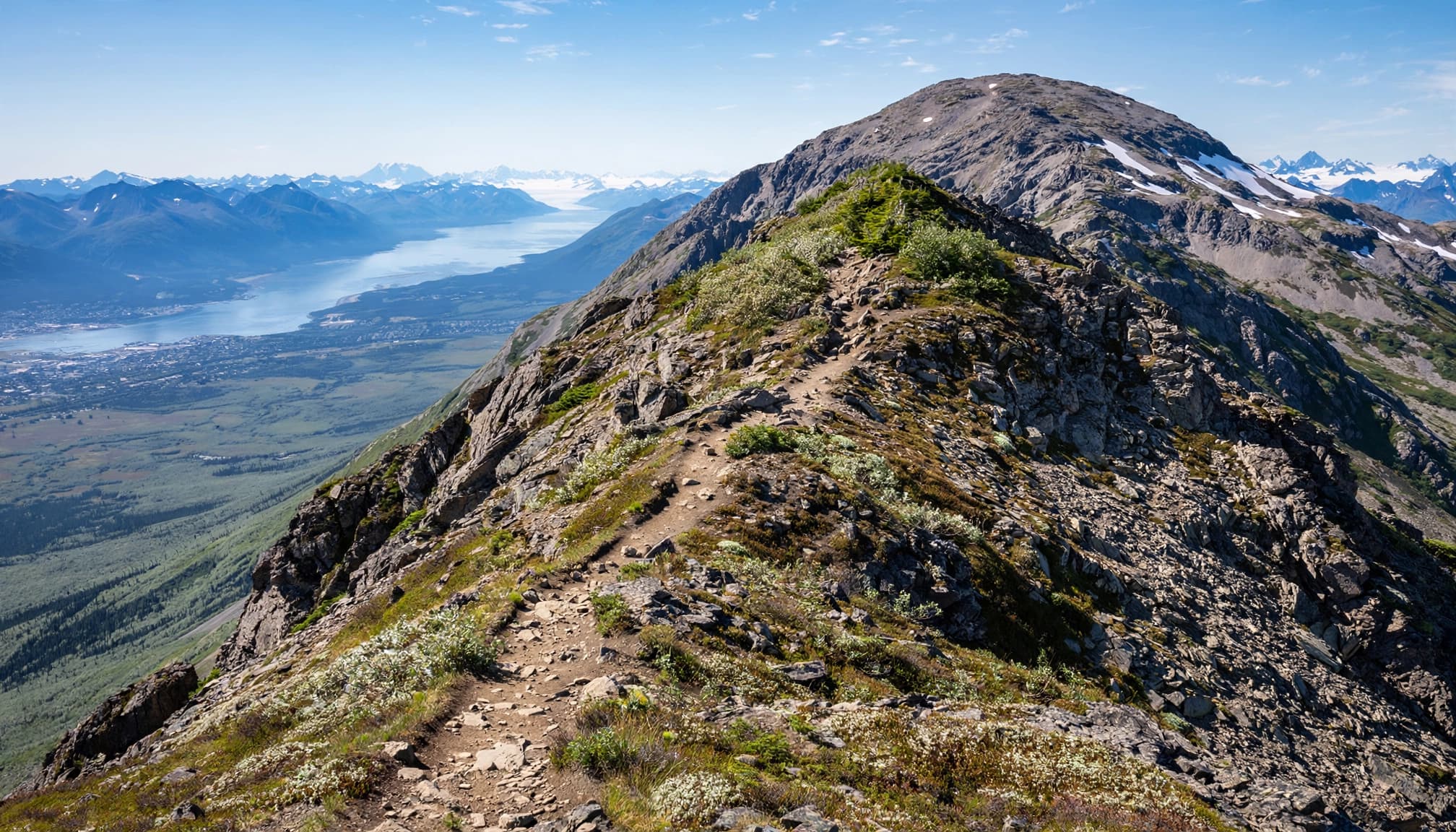
Alaska’s most-climbed mountain is reached from the Glen Alps trailhead. Its appeal is straightforward: a relatively short outing with Anchorage, Cook Inlet, and surrounding mountains in view.
The final section is a rocky scramble. Wet stone, ice, or strong wind can make the descent much harder than the climb.
Allow roughly three hours or more, depending on your pace and stops. Beginners can enjoy the lower viewpoints without reaching the summit.
Turn around before the scramble if you’re uncomfortable. The lower viewpoints already deliver much of the mountain’s scenery.
Ship Lake Pass: Less Traffic, More Commitment
Ship Lake Pass, sometimes shortened to Ship Pass, offers a quieter alternative beyond the busy summit corridor.
Start at the same access point, follow Powerline Pass Trail, then take the branch toward Ship Lake Pass. Expect a longer alpine outing, more route decisions, and greater exposure to weather.
I wouldn’t treat this as the easy backup when the summit looks difficult. Choose Blueberry Knoll for that. Ship Lake Pass suits hikers who already have mountain experience.
Strenuous Hikes for a Full Mountain Day
4. Eagle and Symphony Lakes: Best for Alpine Water
Start at South Fork Eagle River trailhead for a long valley approach to two contrasting alpine lakes. This is a full-day outing, with rougher footing near the lakes and boulder travel around Symphony Lake.
Hanging Valley shares the initial South Fork approach, but leads to a different destination from the lakes. After crossing the river on the bridge, its branch turns uphill toward Hanging Valley, while the lake route continues along the main valley.
Choose one objective for your first visit. Combining Hanging Valley with the lakes adds distance and climbing to an already substantial day.
5. Bird Ridge: Best for Strong Climbers
Bird Ridge starts at Mile 100.5 of the Seward Highway and climbs hard above Turnagain Arm.
The lower ridge-crest outing gains roughly 2,500 feet in about 1.5 uphill miles. Continuing toward higher viewpoints adds more work.
This is the clearest example of why mileage alone can mislead you. Bring trekking poles if steep descents bother your knees, and avoid the exposed ridge in strong wind.
6. Crow Pass to Raven Glacier: Best for Backcountry Scenery
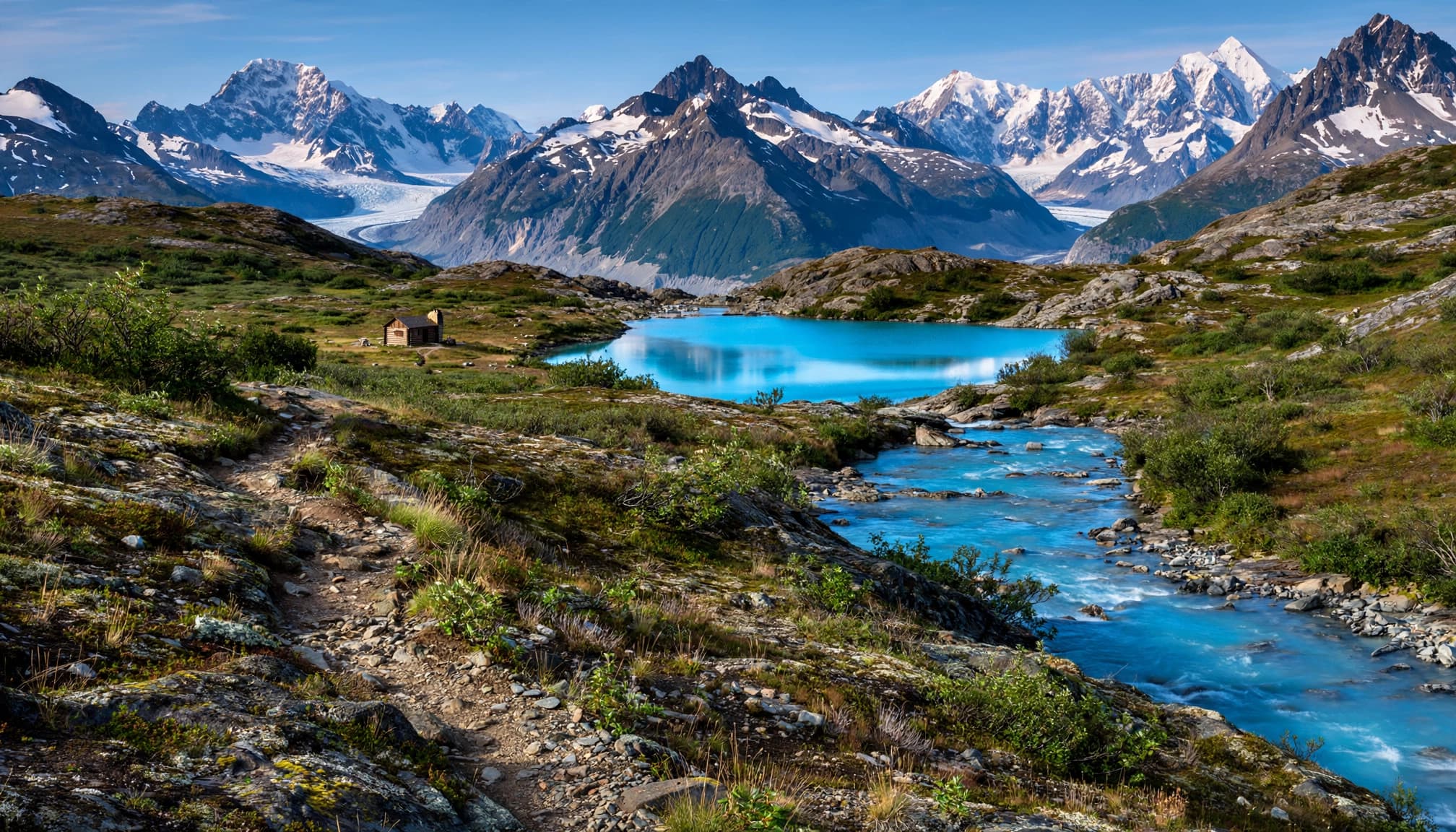
The Crow Pass approach from Crow Creek Road near Girdwood offers waterfalls, historic mining remnants, and views toward Raven Glacier.
Crow Pass is a classic backcountry choice, with a day-hike viewpoint of Raven Glacier. The full Crow Pass route continues far beyond this turnaround, and the longer crossing includes a serious river ford.
You can pair the shorter approach with a reserved stay at the cabin. The Raven Glacier viewpoint is a good day-hike destination. Stay off glacier ice without appropriate training and equipment.
Anchorage Trailhead Access, Parking, and Buses
Driving and Parking
Chugach State Park sits along Anchorage’s eastern edge and extends roughly 20 miles into the mountains. Chugach National Forest lies beyond and south of the park, though the boundary isn’t straight.
You can drive to separate access points, but no scenic road crosses the entire park.
Glen Alps sits at the end of Toilsome Road, reached through Anchorage’s Hillside neighborhoods. The final approach is steep and winding. Arrive early on summer weekends, as parking pressure is heavy even when the mountains look cloudy.
The state park’s visitor information covers access and facilities. Most major day-use lots require $5 per calendar day or a valid annual parking pass. Not every access point charges.
What You Can Reach by Bus
University Lake and Chester Creek/Goose Lake offer easy, family-friendly urban walks accessible through the bus network. They’re outside the park, despite sometimes appearing in Chugach hiking searches.
Bus-linked itineraries can run about 2.6 miles around University Lake or 4.2 miles around Chester Creek and Goose Lake. Those totals include different approaches; University Lake’s actual lakeside loop is about 1.1 miles.
People Mover’s route maps show connections across Anchorage. Regular city buses don’t reach the main mountain access points directly. A car or prearranged ride makes those outings much easier.
Seasons, Bears, and What to Carry
Choose the Season for Your Elevation
May through September is the broad hiking window. For beginners considering higher routes in Chugach State Park, July or August is best when possible.
May can still mean snow-covered upper trails. September brings colder mornings, shorter days, and the possibility of fresh snow. Even in midsummer in Alaska, pack a rain shell, warm layer, food, water, and an offline map.
Snow and ice can linger into late spring or return by early fall. Winter outings may require microspikes or snowshoes, but those don’t make avalanche terrain safe. Beginners are better off sticking to low-angle routes outside avalanche paths.
Give Wildlife Plenty of Room
Black bears, brown bears, and moose live here. Carry bear spray where you can reach it immediately, and know how it works before leaving the parking lot.
Use your voice near brush, blind corners, and noisy streams. Hike together, avoid approaching wildlife, and never run from a bear.
Dogs are generally permitted. Park-wide rules require control, but some trails require a leash, including Flattop. I recommend keeping dogs on a leash throughout bear country anyway.
Other Turnagain Arm and Girdwood Options
For Anchorage visitors searching for hiking options outside Chugach State Park, these regional alternatives offer more choices.
McHugh Creek, at Mile 112 of the Seward Highway, offers hillside walking along the Turnagain Arm Trail. It’s a sensible place for a shorter outing with a planned turnaround.
Penguin Peak and Suicide Peak via Falls Creek are demanding mountain objectives. Attempt Penguin Peak only with experience, stable weather, and confident route-finding.
Near Girdwood, Mount Alyeska’s North Face Trail is another steep summer option. Hikers can ride the operating summer tram down free; riding uphill requires a ticket.
For glacier-focused alternatives beyond Anchorage, my guide to the best hikes in Alaska compares Portage Pass, Seward outings, and other regional choices.
Frequently Asked Questions
Is the Summit Route Suitable for Beginners?
The lower trail and viewpoints can work well for beginners comfortable with hills. The summit scramble requires more confidence, especially on the descent. You don’t need to reach the top to have a worthwhile hike.
Which Hike Works Best With Children?
A short Eklutna Lakeside walk is the most flexible park option here. Choose a turnaround time rather than a distant destination. Blueberry Knoll also works for children accustomed to uphill walking and uneven ground.
Are the Bus-Accessible Walks Mountain Hikes?
No. University Lake and Chester Creek/Goose Lake are urban routes with woodland, water, and relatively gentle terrain. They’re useful car-free alternatives, but they don’t provide the alpine experience of Glen Alps or South Fork.
Pick the Hike That Fits Your Day
Start with manageable elevation gain, then choose the scenery you want. Blueberry Knoll and Eklutna leave room for a relaxed day; the summit route adds a challenge.
Save the lakes, Bird Ridge, and Crow Pass for stronger legs and a suitable weather window. Anchorage puts spectacular mountains close by, but giving yourself enough time is what makes those mountains enjoyable.