At Point Reyes National Seashore, you can find elk, wildflowers, foggy forests, and coastal views in one day. The catch is that those experiences are spread across a big, wind-exposed peninsula, so Point Reyes hiking goes much better when you pick one main area instead of trying to see it all.
My advice: choose a trail based on what you want most, start earlier than you think, and check conditions before you leave home. This park is beautiful, but it doesn’t reward a rushed plan.
Key Takeaways
- Tomales Point is the best bet for open coastal walking and spotting Tule elk, but check trail advisories before committing to the full route.
- Chimney Rock is the easy win for first-timers who want dramatic ocean views and spring wildflowers without a huge mileage day.
- Bear Valley is the better choice when fog, wind, or a less confident hiking partner makes exposed bluffs sound less appealing.
- Bring more water and layers than the distance suggests. Coastal wind can make a short hike feel long.
- Dogs are prohibited on almost all Point Reyes trails, so don’t assume your pup can join the hike.
Plan Your First Point Reyes Hike Before the Drive
Point Reyes National Seashore has about 150 miles of trails. That sounds like plenty of options, and it is, but the trailheads are far apart enough that a poor route choice can eat up your entire day in the car.
Start with a map and current trail advisories
Begin at the Bear Valley Visitor Center if you’re unsure where to hike. It’s the sensible first stop for trail maps, restroom access, and a quick reality check on weather or closures. The park’s official hiking overview also covers the broader hiking trails and map resources.
Don’t build your day around an old blog post or saved AllTrails route. Access changes here, so verify current closures before driving. The Arch Rock Spur Trail and the approach to Arch Rock are closed because of unstable, eroding ground. The nearby Bear Valley Trail and Coast Trail remain open, which is a good reminder to have a backup plan.
Treat trailheads as separate destinations
Tomales Point sits at the end of Pierce Point Road in the north. Chimney Rock is off Sir Francis Drake Boulevard on the Drakes Bay side. Bear Valley is closer to the visitor center. They may all look close on a map, but they aren’t quick hops between hikes.
For a first visit, I recommend one anchor hike and one short add-on only if you still have energy. If you start at Tomales Point, stay in that area. If wildflowers are your priority, drive straight to Chimney Rock early and give yourself time to linger.
The Best Hiking Trails for Your First Visit
There isn’t one perfect trail for everyone. At Point Reyes National Seashore, your best first hike depends on whether you want wildlife, ocean views, flowers, or a calmer forest walk.
| Trail area | Best for | What to expect |
|---|---|---|
| Tomales Point | Elk and wide-open coastal scenery | Long, exposed out-and-back with variable conditions |
| Chimney Rock | Spring wildflowers and dramatic Pacific views | Shorter, breezy route on open bluffs |
| Bear Valley | Forest walking and flexible mileage | Gentler grades with easy turnaround options |
| Coast Trail | A longer coastal destination | More commitment, with broad views toward the ocean |
| Abbott Lagoon | A shorter, quieter outing | A peaceful coastal setting with less demanding mileage |
The simple takeaway: pick Chimney Rock for a short scenic day, Bear Valley for lower stress, and Tomales Point when you’re ready for a bigger outing.
Tomales Point Trail for Tule elk and open coastline
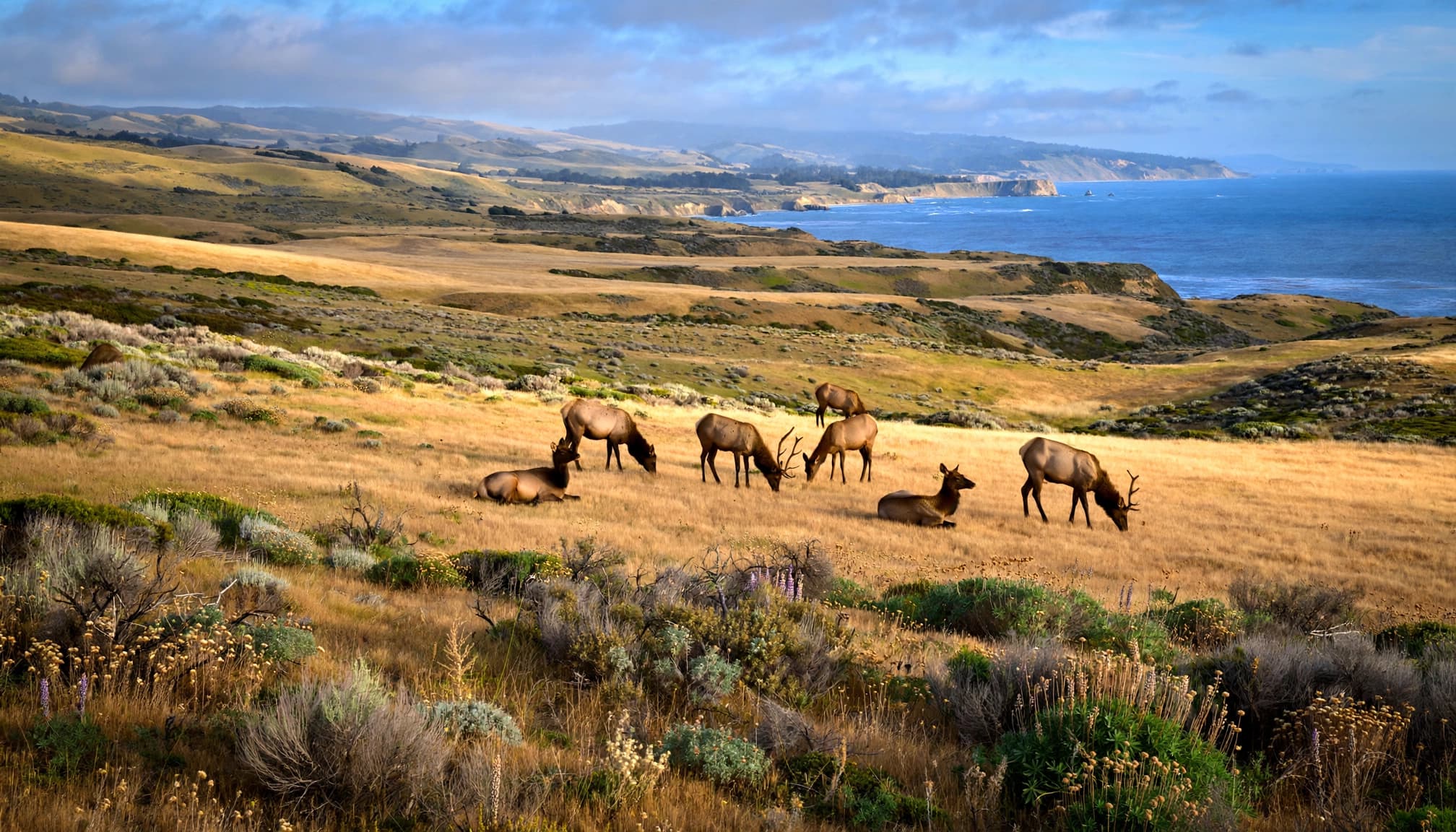
Tomales Point is the classic wildlife choice. The route crosses the elk range, where you may see elk grazing in the coastal grasslands. Give them space, use a zoom lens instead of walking closer, and never position yourself between animals.
This is not the trail I’d send every brand-new hiker to without a weather check. There is little shelter from wind or sun, and the northernmost 1.7 miles are currently unmaintained. Plan a turnaround point before you start, especially if fog rolls in or the wind picks up.
Chimney Rock Trail for big views with modest effort
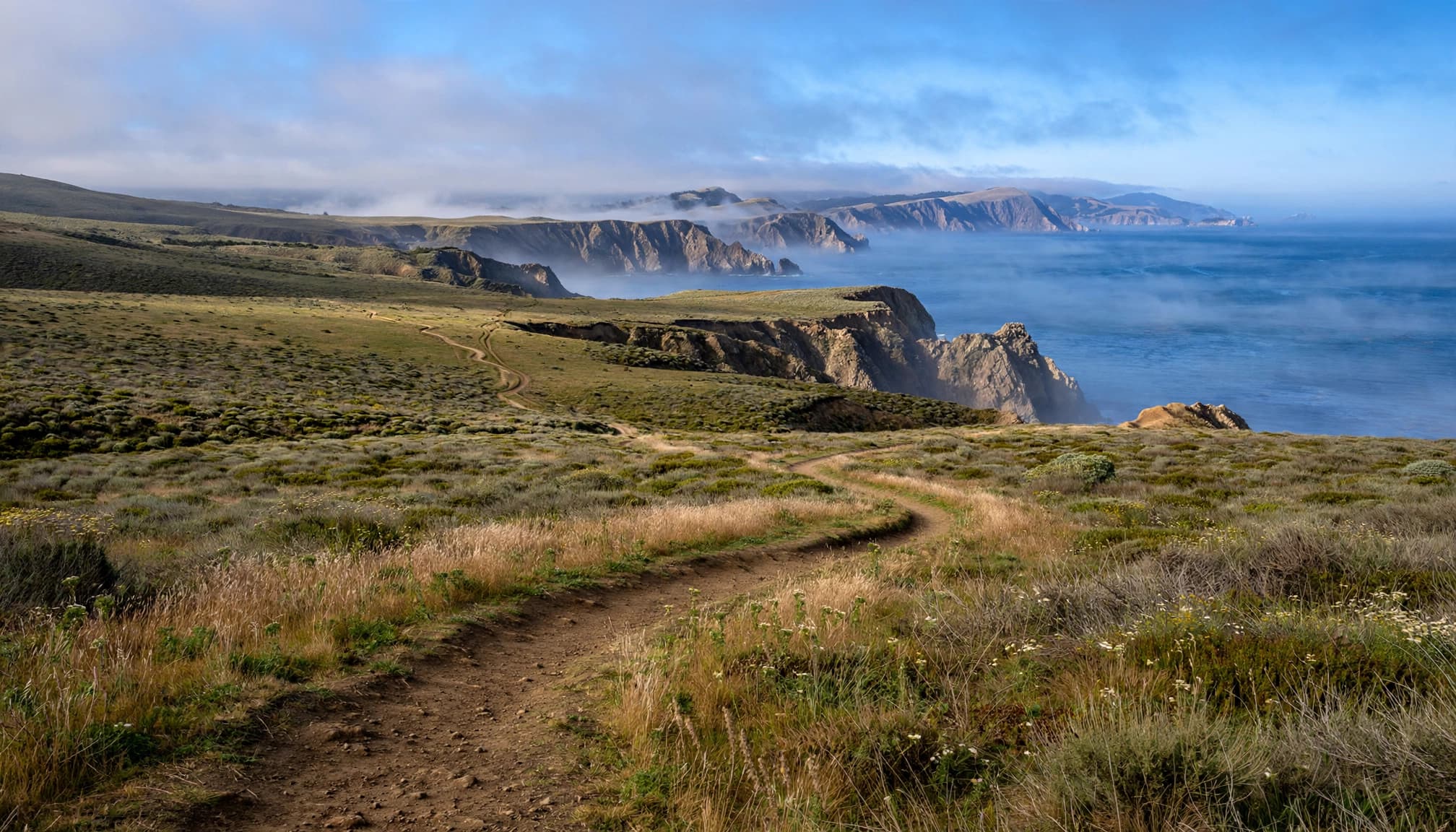
Chimney Rock is my pick for most first-time visitors. The hike is 1.75 miles round trip, and it earns every step with views over Drakes Bay and the Pacific Ocean. You get a real Point Reyes payoff without turning the day into a mileage contest.
The trail is exposed, though. Bring a wind layer even if the parking lot feels warm. In spring, the route can also reward you with spring wildflowers. If heights make you uncomfortable, stay centered on the path and skip any unofficial scrambles toward cliff edges.
Bear Valley for a flexible, lower-stress day
Bear Valley is the smartest choice when the coast is socked in or your group wants a less exposed walk. The trail begins on a broad, graded path through Douglas fir forest, and you can make the day as short or long as you want.
Walk out, enjoy the forest, then turn around when it stops feeling fun. That’s not quitting early. That’s good trip planning. Possible extensions include Sky Trail or Mt. Wittenberg, but neither is required for a satisfying outing. The Coast Trail is another longer option, so treat it as a separate commitment rather than an automatic add-on. For more California routes that reward smart seasonal timing, see my guide to the best hikes in California.
How to Handle Wind, Fog, and Coastal Weather
Point Reyes weather can change your plan quickly, so check the forecast and trail advisories before leaving. A sunny morning inland can turn cold and gray at the coast, and conditions can vary between trailheads, parking areas, and exposed sections. Wind can make an exposed trail feel far more tiring than its mileage suggests.
Pack for the coast, not the forecast screenshot
Pack your core hiking essentials: two liters of water per person, salty snacks, sun protection, and a warm wind layer. A light rain shell is worth carrying in spring, fall, and foggy summer mornings.
Trail shoes with reliable grip are fine for many maintained routes. Hiking boots make more sense if your ankles need support or the ground is muddy. Skip sandals. Dusty hills, uneven tread, and slick spots after rain aren’t a great mix.
Let visibility decide your route
Fog doesn’t ruin a Point Reyes day. It changes the best trail. Bear Valley can feel serene under low clouds, while Chimney Rock and Tomales Point are strongest when visibility is decent enough to enjoy the coastline.
The best trail is usually the one that fits the weather, your energy, and your start time, not the one with the flashiest name.
If you arrive to heavy wind, take the shorter route. Save the long, exposed walk for another morning. Point Reyes is worth revisiting, and you’ll enjoy it more without forcing a big-mile day.
When to Hike for Wildflowers, Wildlife, and Clearer Days
Spring is the sweet spot for Point Reyes hiking. The hills turn green, the coastal grasslands look their best, and the park’s wildflower season is underway.
Visit Chimney Rock in April or May for spring wildflowers
Wildflowers can bloom in the park from February into August, but April and May are the usual sweet spot around Chimney Rock. Rainfall and wind matter, so no one can promise an exact peak week.
Show up early on a clear spring morning and this is about as good as coastal California gets. You may see bright flowers along the bluff, seabirds over Drakes Bay, and a deep blue Pacific stretching beyond the headland.

Choose fall for quieter trails and softer light
Fall often means drier trails and fewer spring crowds, though the grasslands won’t have that bright green look. It’s a nice time for Tomales Point if you want room to walk and better odds of a calmer parking situation.
Winter can bring dramatic skies and chances to spot gray whales, but storms can close roads or turn trails muddy. Check conditions before the drive, then be ready to switch from coastal bluffs to a sheltered forest route.
Stay Safe Around Ticks, Poison Oak, and Cliffs
This isn’t a technical hiking park, but a few basic hiking tips matter. Stay on maintained paths, keep your phone charged, tell someone your plan, and don’t count on dependable cell service at every trailhead.
Keep ticks and poison oak out of your day
Ticks are common in brushy areas. The park recommends light-colored long pants, repellent, and a thorough tick check during and after your hike. Check your socks, waistband, behind your knees, hairline, and anywhere a tick can hide. The NPS safety guidance has the park’s full prevention advice.
Poison oak has leaves in groups of three. Don’t shortcut through vegetation, even for a photo or better view. If you brush against it, wash exposed skin promptly and clean your clothing before wearing it again.
Respect unstable bluffs and rough surf
Point Reyes cliffs are beautiful because they are raw and exposed. That also means erosion is real. Stay behind barriers, don’t follow social trails toward an overlook, and never stand near a crumbling edge.
On beach sections, keep an eye on waves and tides. Don’t turn your back on the ocean, and don’t cross flooded areas for a photo. A viewpoint is never worth getting trapped, injured, or soaked miles from the car.
Dogs and Water: Two Things to Sort Out Early
This is one of those parks where assumptions can spoil an otherwise great day. Most Point Reyes trails are not dog-friendly. Pets are only allowed on one trail and a few beaches, and they must be leashed.
Leave dogs at home unless you know the exception
Don’t show up expecting to hike Tomales Point, Chimney Rock, Bear Valley, or the backcountry routes with your dog. Pets are prohibited on almost all trails, and some beach access has seasonal wildlife restrictions.
Check the park’s hiking rules and pet guidance before you drive. If a dog-friendly beach is your plan, confirm the current seasonal rules and bring a leash no longer than six feet.
Don’t count on trailhead water
Carry enough water from the start. Backcountry campgrounds usually have faucets, but water systems can fail, so overnight hikers should carry a treatment method. Glen Camp, for example, has centrally located drinking water and food-storage lockers.
For a backcountry camping plan, review the Point Reyes campground details before reserving a site. Boat-in camping on Tomales Bay is different, with no potable water available, so you must bring all the fresh water you need.
Frequently Asked Questions
How long is the Tomales Point Trail?
Tomales Point is commonly planned as a long, roughly ten-mile out-and-back, but don’t treat an old mileage number as a promise. The northernmost 1.7 miles are currently unmaintained, so check the latest trail advisories and choose a conservative turnaround point.
What trail has the best chance of seeing Tule elk?
Tomales Point is the best choice because it crosses the Tule Elk Range. Elk sightings are never guaranteed, but the open grasslands give you good visibility and space to watch wildlife responsibly.
Where should I get a Point Reyes trail map?
Pick one up at the Bear Valley Visitor Center, then keep a downloaded map on your phone as backup. Paper trail maps are still a smart call here since service can be spotty once you get deeper into the park.
Which trail has the best panoramic ocean views?
Chimney Rock is the easy answer for first-timers. It offers wide views of Drakes Bay and the Pacific Ocean with only 1.75 miles of hiking. Tomales Point has bigger-scale coastal scenery, but it demands more time, stamina, and weather tolerance.
Final Thoughts
Point Reyes is at its best when you stop trying to conquer the whole peninsula in a single day. Pick one experience, elk at Tomales Point, flowers at Chimney Rock, or forest in Bear Valley, then give it the time it deserves.
Start early, pack for wind, and stay flexible when fog changes the plan. That simple approach turns a first visit into the kind of Point Reyes hiking day you’ll want to repeat.